


In the world of wellness, it’s easy to get tangled in terminology. You hear about breathwork, meditation, and pranayama, often used interchangeably. But one of the most foundational and misunderstood concepts is simple 'breath awareness'.
What is Breath Awareness?
At its core,
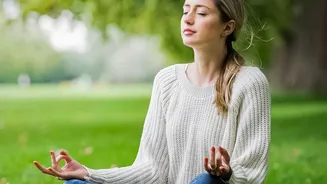
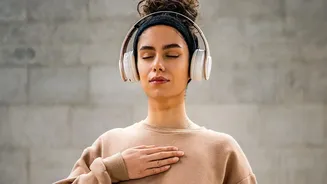
breath awareness is the simple act of paying attention to your natural breathing without trying to change it. It’s a form of mindfulness meditation where your breath becomes the anchor for your attention. Think of it as passive observation. You notice the sensation of air entering your nostrils, the rise and fall of your chest or abdomen, and the feeling of air leaving your body. There is no goal other than to be with the breath as it is—whether it’s deep, shallow, fast, or slow. If your mind wanders to thoughts or sounds, the practice is to gently notice the distraction and guide your focus back to the breath, without judgment.
How is Holding the Breath Different?
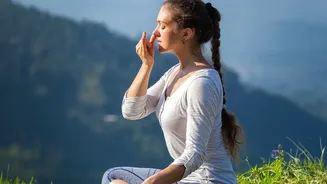
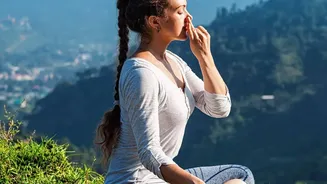
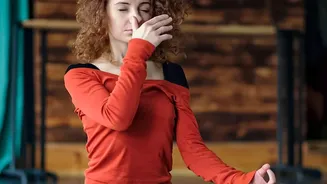
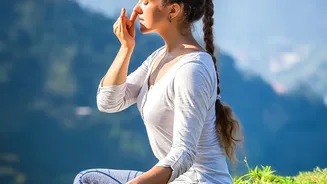
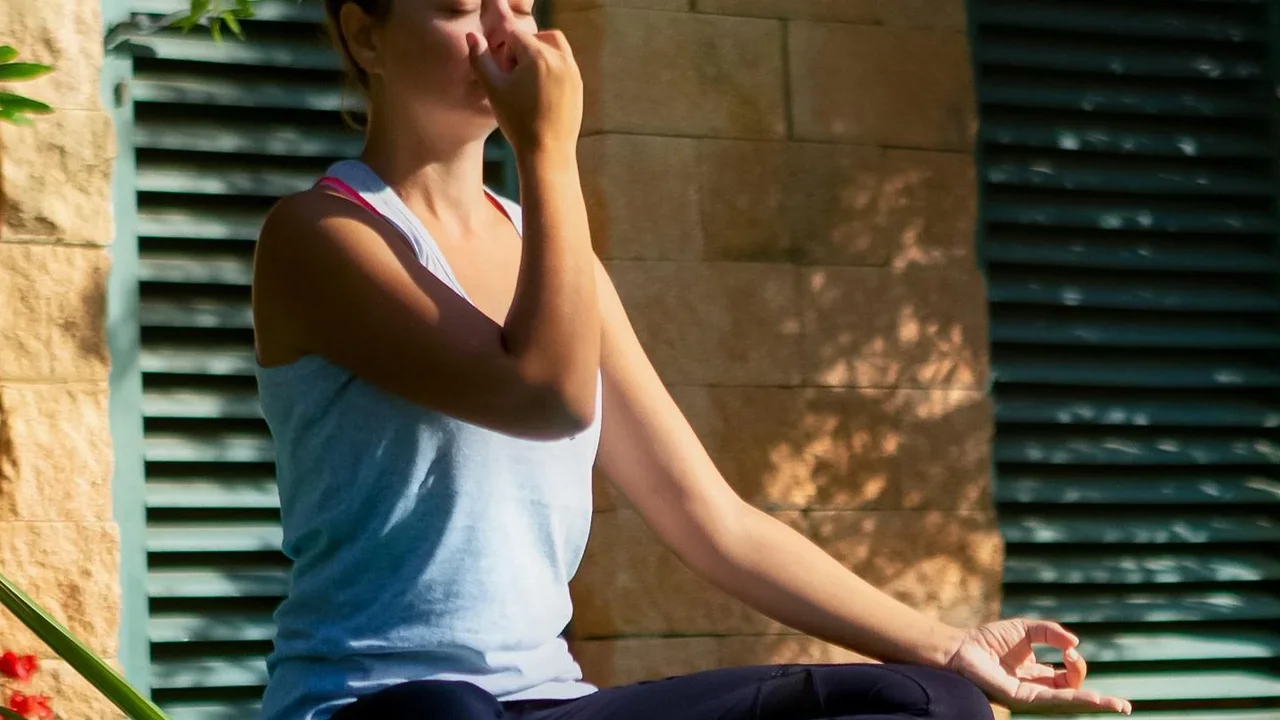
Holding the breath, on the other hand, is an active practice of breath control. In yoga, this is known as 'Kumbhaka Pranayama'. Pranayama itself translates to the control or extension of life force. Unlike passive awareness, pranayama involves deliberately manipulating the breath. This can include techniques like inhaling for a specific count, holding the breath in (Antara Kumbhaka), exhaling for a certain count, and holding the breath out (Bahya Kumbhaka). Techniques like Box Breathing (inhale-hold-exhale-hold for equal counts) are a clear example of breath control, designed specifically to regulate the nervous system through a steady rhythm.
Why This Distinction Is Crucial for Beginners
The distinction matters because the two practices have different intentions and levels of complexity. Breath awareness is a gentle, foundational skill for building mindfulness and is safe for nearly everyone. Its primary benefit is calming the mind and reducing stress by anchoring you in the present moment. Breath control techniques, especially those involving prolonged holds, are more advanced. They are designed to shift your physiological state more dramatically, but they come with risks if done incorrectly. Forcing or improperly practicing breath retention can lead to dizziness, headaches, anxiety, or an increase in blood pressure. Instructors often advise that Kumbhaka should only be practiced after mastering basic pranayama and under the guidance of a qualified teacher, especially for those with health conditions like high blood pressure or heart issues.
The Gentle Power of Just Noticing
The benefits of a simple breath awareness practice are profound. Studies and experts point to a wide range of positive effects. By focusing on the breath, you can activate the body's relaxation response, helping to lower stress hormones like cortisol. This practice improves focus and concentration by training the mind to return from distraction. It also enhances emotional regulation; by observing your breath during different emotional states, you create a space between a feeling and your reaction to it. Research shows that mindful breathing can positively influence brain health by regulating neurochemicals that affect focus and calm. Regular practice can lead to better sleep, reduced anxiety, and an overall sense of well-being.
A Simple Practice to Get You Started
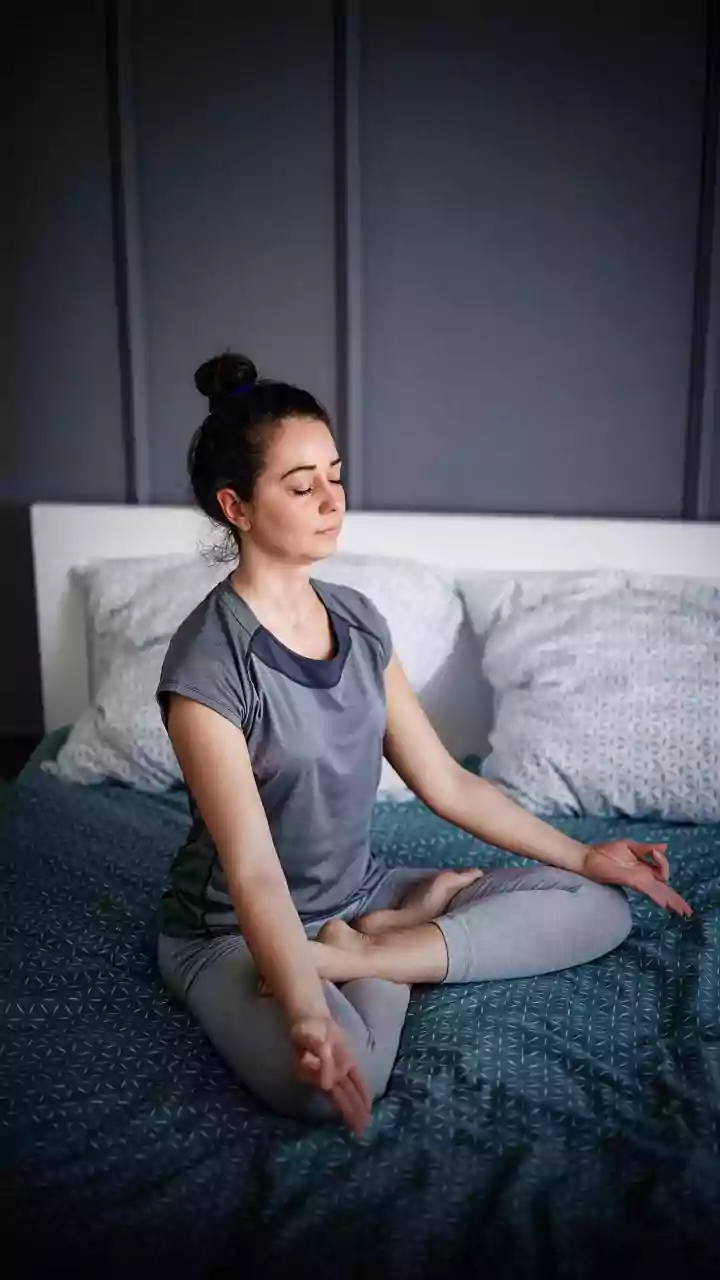
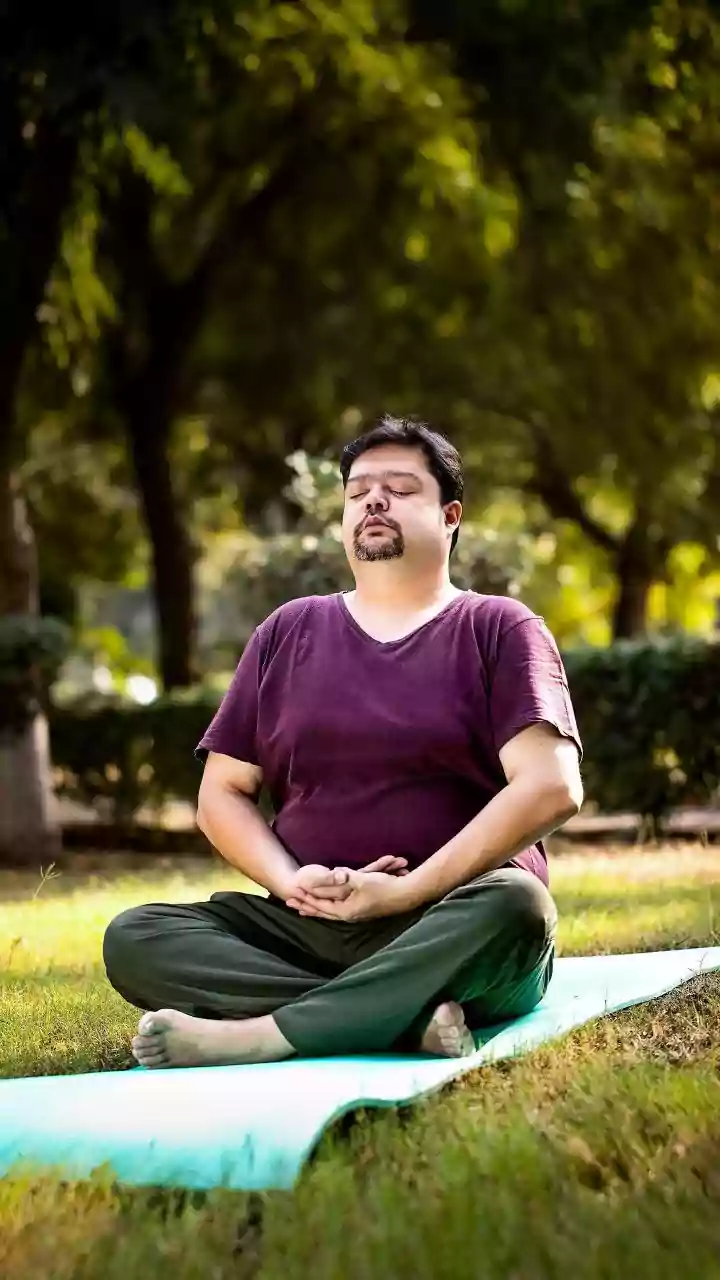
Ready to try? You don’t need any special equipment, just a few quiet minutes. 1. Find a comfortable position, either sitting in a chair with your feet on the floor or lying down. 2. Close your eyes if you feel comfortable, or soften your gaze. 3. Simply bring your attention to your breath. Don't try to change it. Just let your body breathe naturally. 4. Notice where you feel the breath most distinctly. It might be the cool air at your nostrils, the movement in your chest, or the gentle rise and fall of your belly. 5. Rest your attention on that sensation. When your mind wanders—and it will—gently acknowledge the thought and guide your focus back to the breath. Start with just five minutes a day. The key is not to achieve a perfectly clear mind, but to practice the gentle return to the present moment, one breath at a time.