







The Monsoon's Deceptive Pause
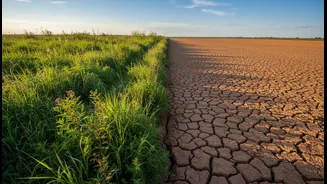
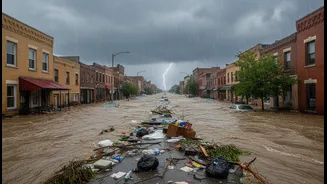
During the monsoon season, which runs from June to September, the rainfall isn't constant. The season is marked by wet and dry spells. A 'break' in the monsoon is a period when the heavy rains pause for several days or even weeks. These breaks are caused
by shifts in the monsoon trough, a low-pressure zone that drives rainfall. When this trough moves northward towards the Himalayas, it can lead to a significant reduction in rainfall over the plains of central and northern India. While this might sound like a welcome respite from flooding, it comes with a consequence: a rapid rise in temperatures, creating heatwave-like conditions when we least expect them.
It's Not Just the Heat, It's the Humidity
The real danger during these monsoon heat spells isn't just the number on the thermometer; it's the combination of heat and high humidity. After a spell of rain, the atmosphere is saturated with moisture. This brings us to a crucial concept: the wet-bulb temperature. Think of it as a measure of how effectively your body can cool itself by sweating. When humidity is low, sweat evaporates quickly, cooling your skin. But when the air is already full of moisture, sweat can't evaporate efficiently. This traps heat in the body, making the 'feels like' temperature far higher and more dangerous than the actual air temperature. Even moderate temperatures can become perilous under high humidity, a phenomenon becoming more common across Indian cities.
A Silent Public Health Challenge
This combination of heat and humidity poses a serious, often underestimated, public health risk. When the body cannot cool down, it can lead to heat exhaustion and, in severe cases, life-threatening heatstroke. Symptoms of heat exhaustion include heavy sweating, weakness, dizziness, and headache. Heatstroke is a medical emergency characterized by a high body temperature, confusion, and sometimes loss of consciousness. These conditions are especially dangerous for vulnerable populations, including outdoor labourers, the elderly, children, and people with pre-existing health conditions like heart, lung, or kidney disease. The number of 'dangerously humid' heat days in India has been increasing, with cities like Delhi, Nagpur, and Ahmedabad seeing a sharp rise in recent decades.
Ripple Effects on Power and Agriculture
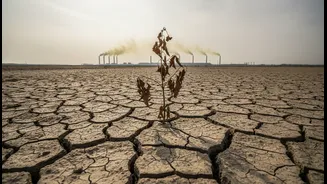
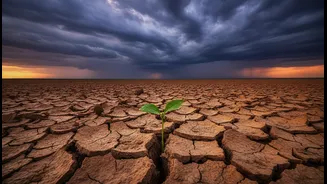
The impact of monsoon heat extends beyond health. The sweltering, humid conditions lead to a surge in electricity demand as households and businesses run air conditioners for longer periods to find relief. This puts immense strain on the nation's power grid, which is often already dealing with challenges from weaker monsoon winds or reduced hydropower generation during dry spells. For farmers, a monsoon break is a double-edged sword. While it can provide a temporary halt to waterlogging, a prolonged dry and hot period can be disastrous for Kharif crops like rice, cotton, and pulses, which are planted during the monsoon and are heavily reliant on timely rain. A significant rainfall deficit during a break can stunt crop growth, reduce yields, and threaten the livelihoods of millions.