





The Post-Workout Protein Puzzle
After any strenuous exercise, your muscles need protein to repair and rebuild. This process, known as muscle protein synthesis, is crucial for getting stronger and recovering effectively. Protein is made up of amino acids, the essential building blocks
your body uses for this repair work. While many people immediately think of whey protein shakes or animal products, a growing number of fitness enthusiasts are turning to plant-based options that offer a powerful and comfortable alternative.
Meet Nature’s Powerhouses: Lentils and Seeds
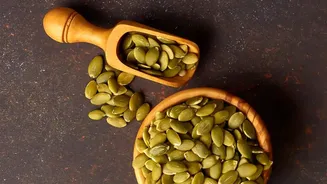
Lentils and seeds are nutritional giants in tiny packages. A single cooked cup of lentils can provide around 18 grams of protein, making it a fantastic whole-food option. Seeds like hemp, chia, and flax are also protein-rich. For example, just a few tablespoons of hemp seeds can deliver about 9 grams of protein. These foods are not just protein sources; they are complete nutritional packages that offer a symphony of benefits perfect for an active lifestyle.
A Complete Toolkit for Muscle Repair
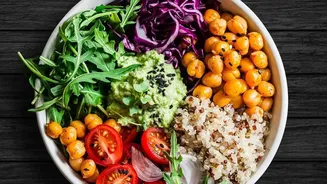
A common concern with plant protein is whether it's 'complete'—meaning it contains all nine essential amino acids. While some plant sources are incomplete on their own, this is easily managed. Hemp and chia seeds are considered complete protein sources. Lentils are high in some amino acids but lower in others. However, by simply pairing them with a grain like rice or quinoa, you create a complete amino acid profile that gives your muscles everything they need to recover effectively. This food-combining approach makes it easy to get high-quality protein from a varied plant-based diet.
Why They Won’t Make You Bloat
Digestive discomfort is a common complaint with some protein supplements, particularly whey, which is derived from dairy and can cause issues for those with lactose sensitivity. Lentils and seeds offer a gentler alternative for several reasons. Lentils are packed with dietary fibre, including both soluble and insoluble types. This fibre aids digestion, promotes regular bowel movements, and feeds the beneficial bacteria in your gut. While high fibre can cause gas if you're not used to it, introducing lentils gradually and ensuring they are well-cooked can minimise this effect. Plant proteins, in general, are often reported to be easier on the digestive system.
More Than Just Protein
The benefits of lentils and seeds extend far beyond their protein content. They are loaded with other nutrients that are vital for recovery. Lentils are a great source of iron, which is crucial for energy and oxygen transport, and folate, which supports cell repair. They are also rich in magnesium, a mineral that plays a role in muscle function and relaxation. Seeds, particularly chia and flax, are famous for their omega-3 fatty acid content, which can help calm inflammation post-exercise. This nutrient-dense profile means you aren't just rebuilding muscle; you're supporting your entire system.
Easy Ways to Power Up Your Recovery
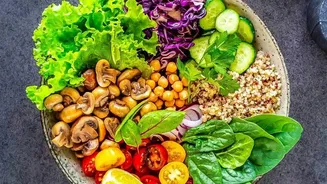
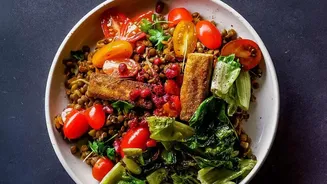
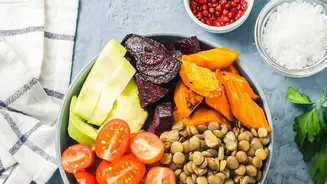
Incorporating these foods into your diet is simple and delicious. After a workout, consider a smoothie with a tablespoon of chia or hemp seeds blended in. For a more substantial meal, a hearty lentil soup or a salad topped with a generous serving of cooked lentils provides an excellent mix of protein and complex carbohydrates to refuel your energy stores. You can also sprinkle seeds on oatmeal, yogurt, or add them to homemade energy bars. Their versatility makes them an easy and effective addition to any meal plan.