

More Than Just a Trend
For many young Indians, the move towards upcycling is driven by a powerful combination of values. At its core is a growing consciousness around sustainability and a rejection of the textile waste that often accompanies festive seasons. This generation
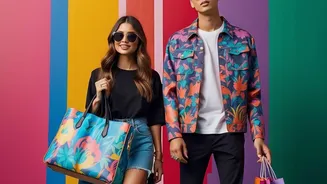
is highly aware of its environmental footprint and sees upcycling as a direct way to make a positive impact. Beyond eco-consciousness, there's a strong desire for individuality. In a sea of mass-produced outfits, a repurposed garment tells a unique story. It’s also a budget-friendly approach, proving that you don't need to break the bank to look festive and stylish. This blend of ecological responsibility, financial savvy, and personal expression is a hallmark of the Gen Z mindset, transforming fashion choices into meaningful statements.
Grandma's Closet Is the New Boutique
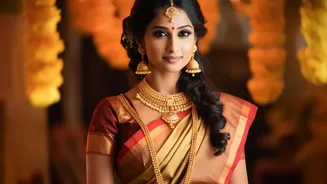
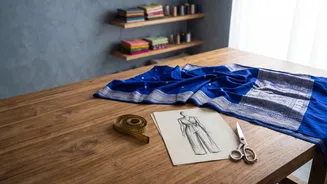
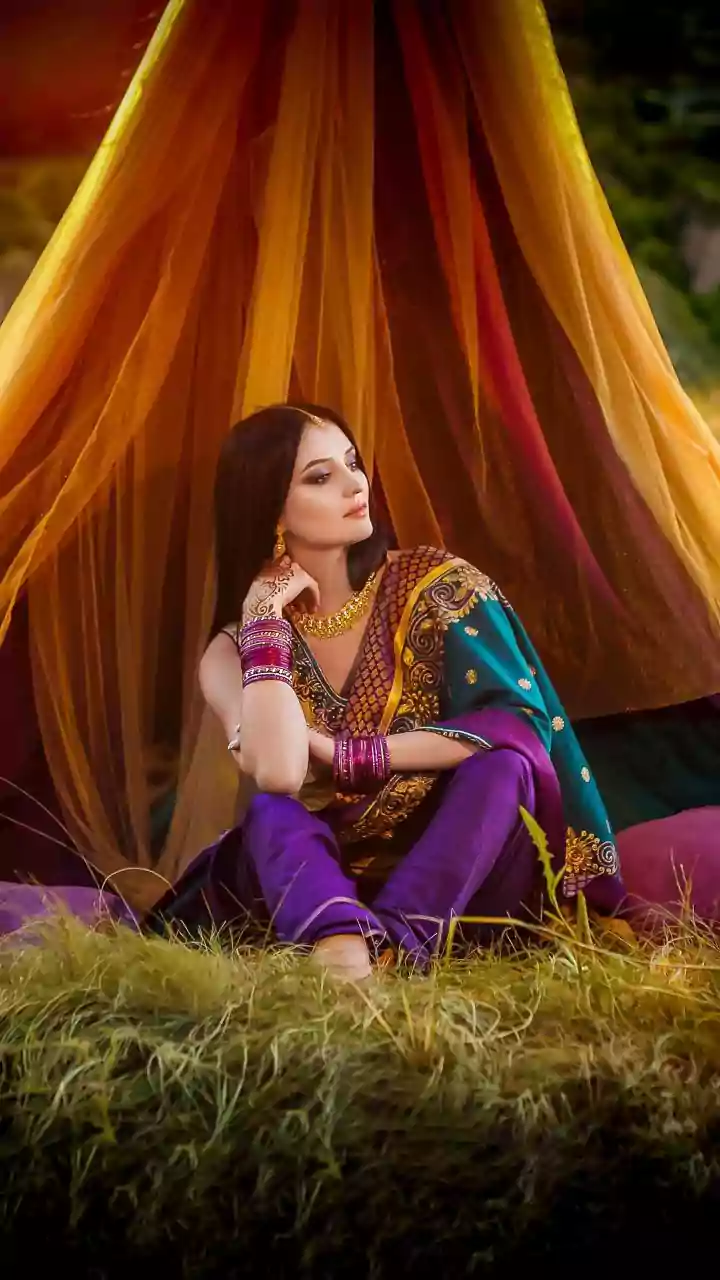
One of the most cherished aspects of this trend is the revival of family heirlooms. That Banarasi saree of your mother's or the Kanjeevaram from your grandmother's trunk are no longer just memories stored away; they are canvases for new creations. By personalizing these vintage pieces, Gen Z is forging a deeper connection with their heritage. An old saree can be transformed into a stunning lehenga and choli set, a chic Anarkali gown, or even a contemporary crop top and skirt combo. This act of reimagining not only preserves the emotional value of the garment but also infuses it with a modern sensibility, creating an outfit that is both timeless and personal. It’s a beautiful way to honour family stories while making a distinct style statement during the nine nights of dance.
The Saree Reinvented
The six-yard saree offers endless possibilities for reinvention. The most popular transformation is creating a flared lehenga skirt from the body of the saree, using the fabric's existing borders for a polished hem. The often ornately decorated pallu is perfect for crafting a matching blouse or a statement dupatta. For those who prefer fusion wear, a lightweight silk or georgette saree can be tailored into a flowy kaftan, a chic maxi dress, or even a set of stylish palazzo pants. Another creative approach is to pair the upcycled lehenga skirt with an unconventional top, like a crisp white shirt or a tailored corset, blending traditional aesthetics with modern streetwear trends.
Dupatta and Kurta Magic
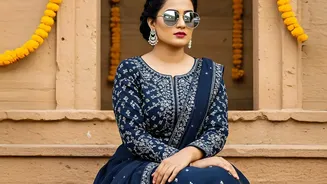
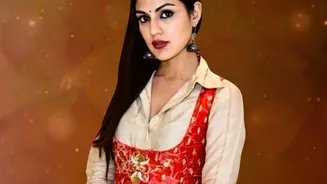
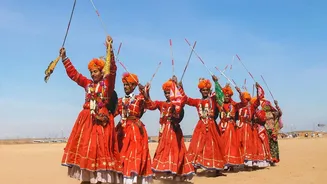
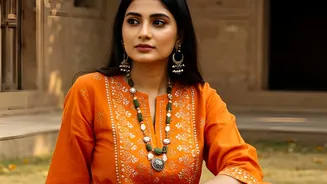
The art of the remix doesn't stop with sarees. Old dupattas, especially those with beautiful phulkari or bandhani work, can be given a new lease on life. Multiple dupattas can be stitched together to create a vibrant, multi-panelled skirt, or a single one can be fashioned into a stylish jacket or cape to layer over a simpler outfit. Old kurtas can also be easily updated. A long kurta can be cropped and embellished with new lace or tassels, or its side slits can be opened up to wear over a flared skirt. Even leftover fabric pieces from various outfits can be patched together to create a one-of-a-kind chaniya choli that’s bursting with colour and personality, perfect for Garba nights.
Finishing Touches That Matter
Upcycling extends beyond just clothes. The right accessories can elevate any repurposed outfit. Chunky oxidised silver jewellery remains a Navratri favourite, adding a bohemian touch that pairs perfectly with both traditional and fusion looks. Leftover fabric scraps can be turned into matching potli bags, hair scrunchies, or decorative tassels for a lehenga. Even old jewellery can be deconstructed and combined to create new, unique pieces. By applying a sustainable mindset to the entire ensemble, from head to toe, you can create a look that is not only stylish and unique but also thoughtfully curated and environmentally conscious.