




The Nutritional Scorecard
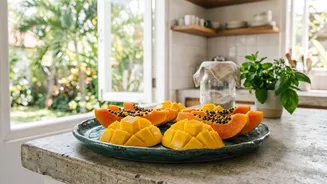
When you place mango and papaya side-by-side, the differences are clear. Per 100 grams, papaya is the lighter option, containing around 43 calories and 7.8 grams of sugar. Mango, befitting its rich taste, comes in higher at about 60 calories and 13.7
grams of sugar. Papaya also takes a slight lead in vitamin C, providing a significant portion of your daily requirement in a single serving. However, mango fights back with superior levels of vitamin A (from beta-carotene), vitamin E, and folate, an essential B vitamin. In terms of fibre, both are quite similar, offering around 1.6 to 1.7 grams per 100g, which is crucial for good digestion.
In Defence of the King
Mango’s higher sugar content often gives it a bad rap, but it’s far from an unhealthy choice. Often called a superfood, mango is packed with powerful antioxidants, especially mangiferin, which studies suggest can help protect cells from damage and inflammation. Its high levels of beta-carotene are converted into vitamin A in the body, which is vital for vision, skin health, and a strong immune system. Furthermore, mangoes are a good source of potassium and magnesium, minerals that help relax blood vessels and maintain healthy blood pressure. Despite its sweetness, some studies indicate mango may have a moderate glycemic index, meaning it might not spike blood sugar as quickly as expected, especially when eaten whole.
The Quiet Power of Papaya
Papaya’s biggest advantage is its lower calorie and sugar profile, making it an excellent choice for those managing their weight or blood sugar levels. It is famously rich in papain, a digestive enzyme that helps break down proteins and can soothe indigestion. Papaya is also an antioxidant powerhouse, loaded with vitamin C, vitamin E, and lycopene. These nutrients help fight oxidative stress, support the immune system, and promote healthy skin by protecting it from damage. Like mango, it contains potassium, which contributes to heart health by helping to regulate blood pressure.
The Real Issue: More Than Just Fruit
So, which is better? This is where we zoom out. Fixating on one fruit over another misses the bigger picture. The problem isn't the natural sugar in a mango; it's the total amount of sugar and calories you consume in a day. A large bowl of 'healthy' low-sugar papaya still contributes more to your daily intake than a few, mindful slices of mango. Research consistently shows that people tend to eat more when served larger portions, regardless of the food's label. The belief that a food is 'healthy' can often lead to overconsumption, which negates its benefits. The true path to a healthy diet isn't about demonising certain fruits, but about embracing moderation across the board.
How to Make Portion Size Work for You
Instead of declaring one fruit a winner, let’s focus on how to enjoy both intelligently. Portion control is your most powerful tool. A standard serving of fruit is typically about one cup of chopped fruit or one medium-sized piece. For denser, sweeter fruits like mango, a serving size is often considered closer to half a cup. To further manage blood sugar impact, always pair fruit with a source of protein or healthy fat. Enjoy mango slices with a handful of almonds or add papaya to a bowl of Greek yogurt. This combination slows down the absorption of sugar, providing steadier energy without the crash. Avoid juices, which strip away the beneficial fibre and concentrate the sugar.