


The Royal Glow of Rajasthan
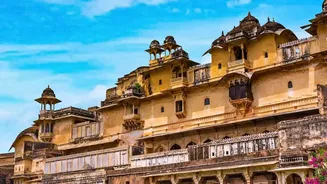
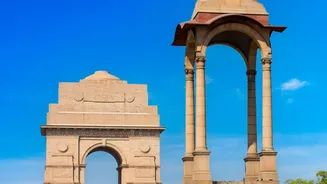
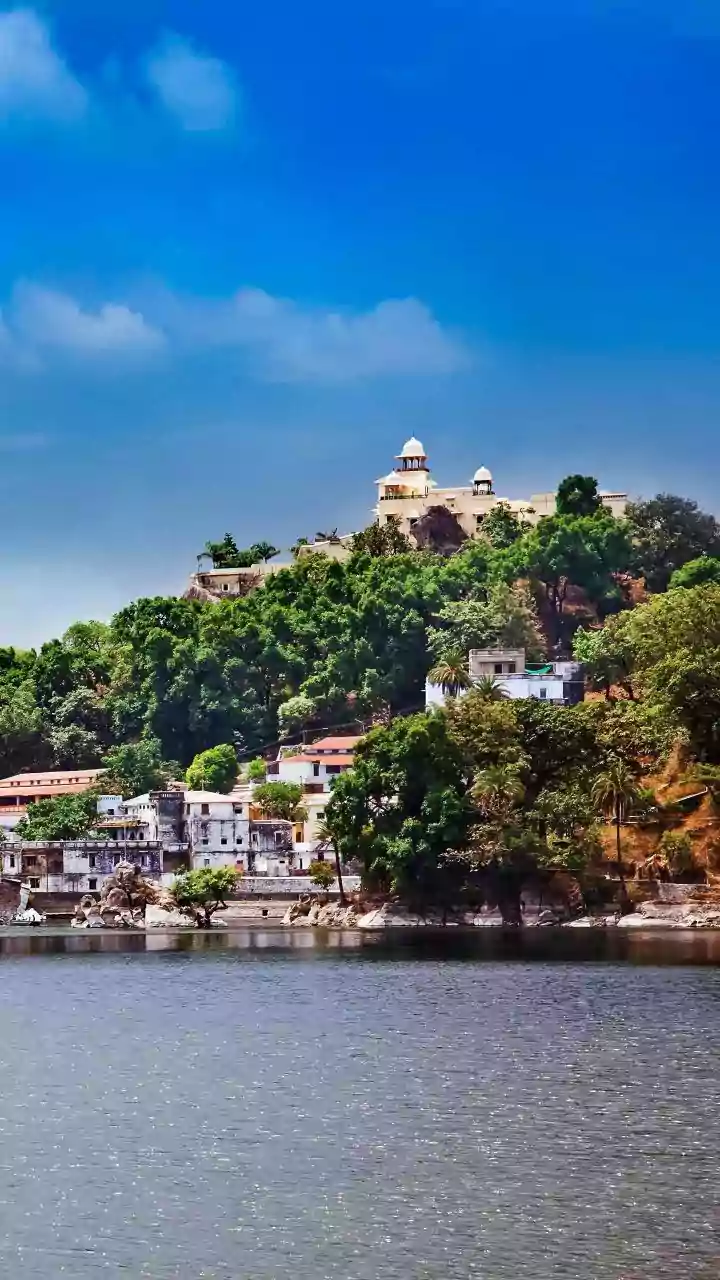
September marks the period when the southwest monsoon typically begins its withdrawal from northwest India, and Rajasthan is one of the first states to benefit. The dust has settled, and the rain-washed cities of Udaipur, Jaipur, and Bundi look vibrant
and fresh. Temperatures become more comfortable, hovering in a pleasant range that is ideal for sightseeing without the scorching heat of summer or the peak crowds of winter. The lakes in Udaipur are full, the Aravalli hills surrounding cities like Bundi are draped in green, and the air carries a newfound crispness. This shoulder season allows for exploring majestic forts and palaces at a relaxed pace, with better availability and pricing for hotels. While an occasional shower is still possible early in the month, the trend is toward clearer skies and a very manageable climate for exploration.
Lush Hills in Himachal Pradesh
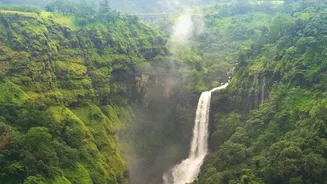
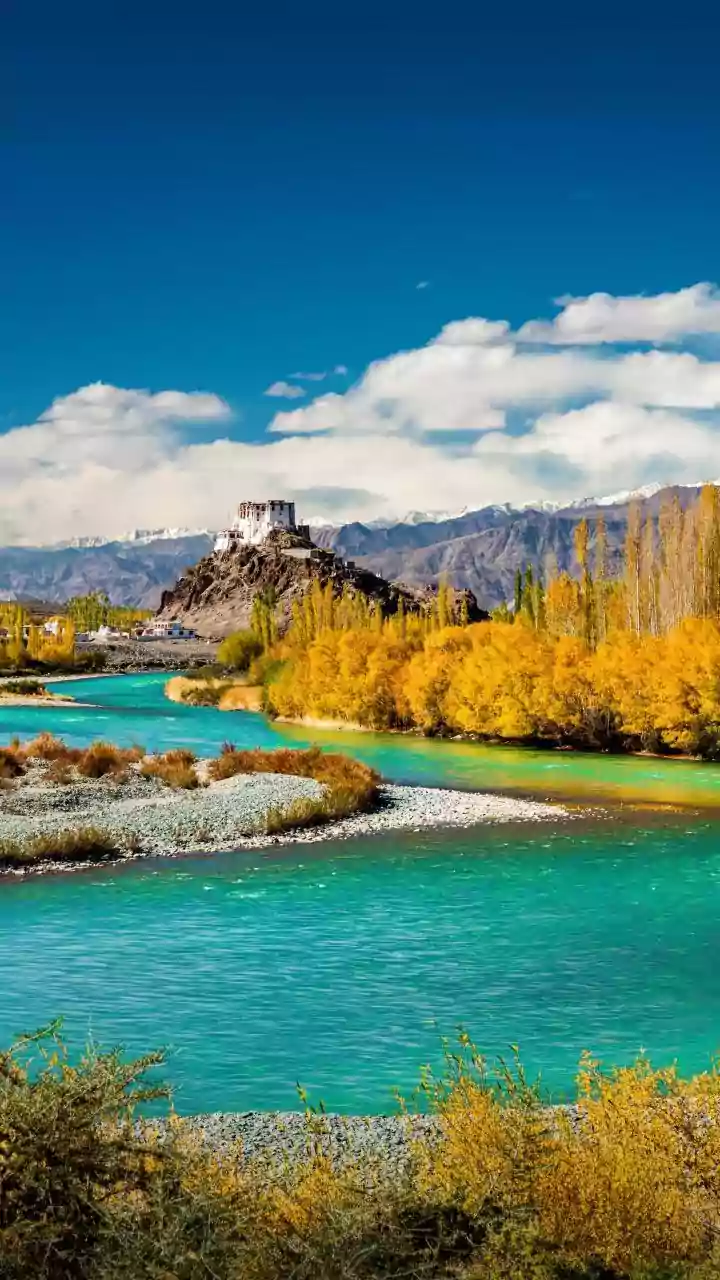
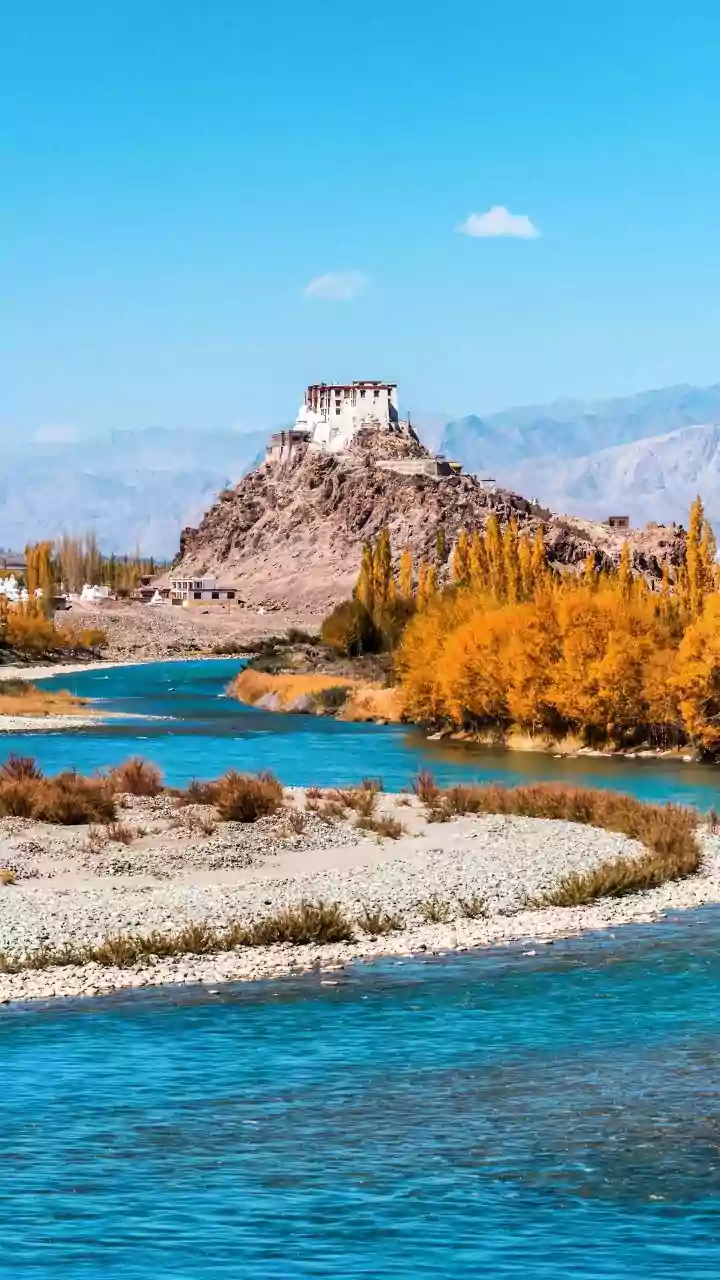
For those who love the mountains, September in Himachal Pradesh offers a breathtaking spectacle. While the monsoon is still present at the start of the month, its intensity wanes, leading to fewer downpours and more sunny intervals. The entire state is cloaked in a verdant blanket, from the valleys around Manali to the hills of Dharamshala and Shimla. Waterfalls are still in their full glory, and the landscape is perfect for photography. The decreasing rainfall makes road travel safer and more reliable than in the peak monsoon months of July and August. In higher altitude, arid regions like Spiti Valley, September is considered one of the best times to visit, as the roads are generally clear and the dramatic landscapes are fully accessible under sunny skies before the winter snows arrive. It's a month of fresh mountain air, blooming wildflowers, and the start of autumn's golden hues.
Kerala's Green Interlude
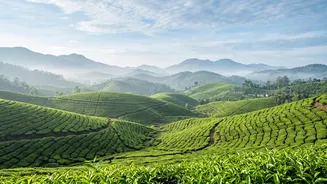
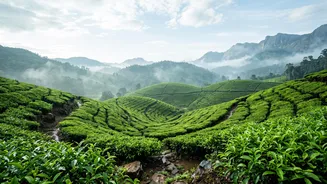
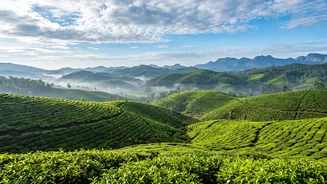
While the monsoon hasn't completely left Kerala in September, the rainfall is significantly reduced compared to the preceding months. This period acts as a serene interlude between the heavy southwest monsoon and the upcoming northeast monsoon. The entire state, from the backwaters of Alleppey to the tea gardens of Munnar and the forests of Wayanad, is at its most lush and verdant. The weather is a pleasant mix of sunshine and occasional, often short-lived, showers. Temperatures remain warm and comfortable for daytime exploration. A key advantage of visiting in September is that it's still considered the off-season, meaning you can experience the stunning post-monsoon beauty with fewer tourists and at more attractive prices for flights and accommodations. It's an ideal time for houseboat cruises on full backwaters and enjoying the vibrant green scenery that defines 'God's Own Country'.
The Blooming Plateaus of the Western Ghats
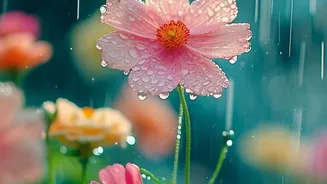
September is a special month in the Western Ghats, particularly in Maharashtra. The Kaas Plateau, a UNESCO World Heritage site near Satara, transforms into a 'valley of flowers'. From late August through September, the plateau is carpeted with more than 850 species of wildflowers, creating a breathtaking tapestry of pink, yellow, and purple blooms. The weather is cool and often misty, providing a dramatic backdrop for the floral spectacle. Similarly, hill stations like Lonavala and Mahabaleshwar are spectacularly green and inviting. The monsoon's retreat means waterfalls are still flowing powerfully, and the surrounding hills are perfect for scenic drives and light treks. It's a short but magical window to witness this part of India in full bloom, with a fresh and clean atmosphere following months of rain.