

What is Astrotourism?
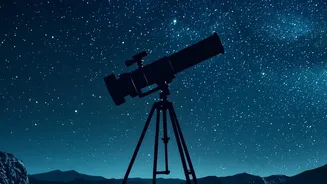
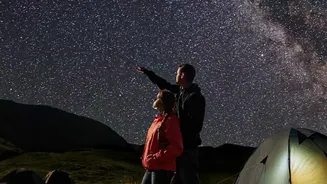
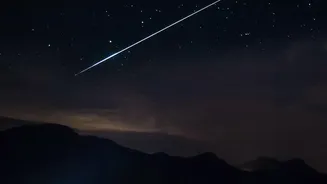
Astrotourism, or stargazing tourism, is travel focused on experiencing the night sky in its purest form, far from the light pollution of cities. It’s about more than just looking through a telescope; it’s an immersive experience that combines nature,
science, and a profound sense of peace. As mainstream tourist spots become increasingly congested, travellers are seeking unique, quiet alternatives. This has led to a rising interest in astrotourism across India, with Himachal Pradesh emerging as a prime destination. The state's high altitudes, clear mountain air, and remote valleys create the perfect conditions for a celestial spectacle. This isn't just a niche hobby anymore; it’s a sustainable travel model that supports local communities while offering an unparalleled connection to the cosmos.
Spiti Valley: The Stargazing Capital
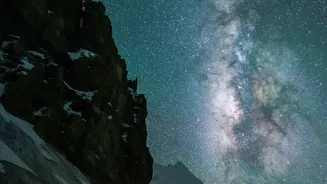
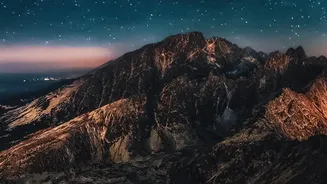
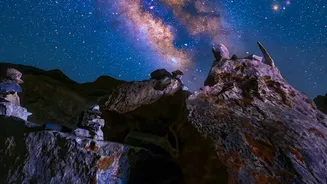
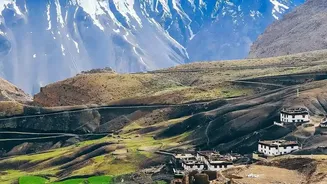
Often called the 'stargazing capital of Himachal', Spiti Valley is a high-altitude cold desert renowned for its incredibly dark and clear skies. Its remote location and minimal light pollution have earned it international recognition. On a clear, moonless night, the Milky Way is often visible to the naked eye, a sight that city dwellers rarely experience. Villages like Kaza, Langza, Komic, and Kibber serve as popular bases for stargazers. In recent years, local initiatives and government support have bolstered Spiti's reputation. The state has launched projects to provide high-end telescopes to local entrepreneurs and homestay owners, empowering them to offer guided stargazing sessions to tourists and creating a unique livelihood. A public dome observatory has also been established, making professional-grade equipment accessible to enthusiasts.
Jibhi and Tirthan Valley: Accessible Celestial Beauty
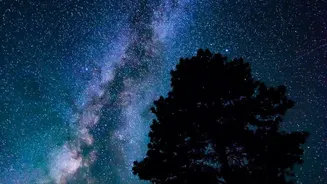
For those seeking a starry sky without the challenging journey to Spiti, Jibhi and the adjacent Tirthan Valley offer a fantastic alternative. These destinations are easier to reach and provide a gentler introduction to astrotourism. Despite their accessibility, the valleys have very low light pollution, allowing for brilliant views of constellations and even the Milky Way. The experience here is often paired with riverside camping and bonfire nights, creating a magical atmosphere. It represents the perfect balance for travellers who want dark skies combined with the comfort of charming homestays and a less extreme climate.
Other Emerging Starry Havens
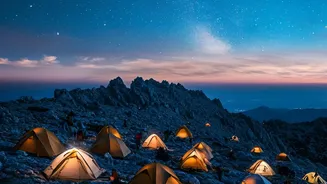
Beyond Spiti and Jibhi, several other Himachal destinations are gaining recognition for their night skies. Chandratal, the 'Moon Lake', located at a breathtaking altitude of 14,100 feet, offers a surreal experience where the stars reflect on the tranquil waters. Kalpa in the Kinnaur district, known for its apple orchards and serene views of the Kinnaur-Kailash range, also provides clear, dark skies away from the tourist rush. Treks to locations like Triund near McLeodganj and Prashar Lake near Mandi are popular not just for the daytime views but for the opportunity to camp under a blanket of stars, far from any artificial light.
Planning Your Stargazing Trip
To make the most of your astrotourism adventure, timing is everything. The best months are generally from May to September for most high-altitude locations, when the skies are clear after the winter snow has melted but before the monsoon clouds arrive. For the darkest skies, plan your trip around the New Moon, as the brightness of a full moon can wash out fainter stars. Nights at high altitudes can be cold even in summer, so packing warm layers, gloves, and a cap is essential. A red-light torch is recommended as it helps preserve your night vision, and allowing your eyes to adjust to the darkness for at least 15-20 minutes will dramatically improve what you can see. Above all, practice responsible tourism by leaving no trace and respecting the fragile mountain ecosystems.