

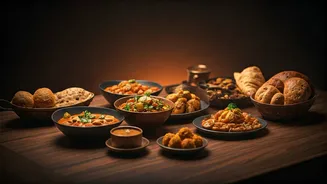


Beyond Croissants and Lattes
For years, the Indian café was a predictable space. The menu was a comfortable echo of global trends: cappuccinos, croissants, pastas, and paninis. While these staples remain, they are increasingly making room for dishes that speak a more local language.
This is not just about adding a 'masala' label to a burger; it's a deliberate and thoughtful integration of India's vast culinary heritage into a modern, casual dining format. Across metro cities, chefs and café owners are looking inward, realising that the next wave of innovation lies not in sourcing exotic foreign ingredients, but in exploring the diversity of their own backyards. This shift reflects a maturing palate among Indian diners, who are now seeking authenticity and a deeper cultural connection with their food.
A Taste of Nostalgia
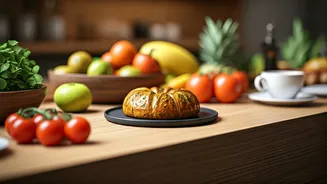
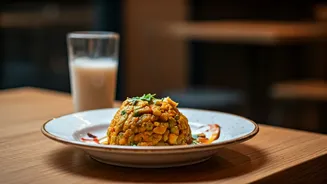
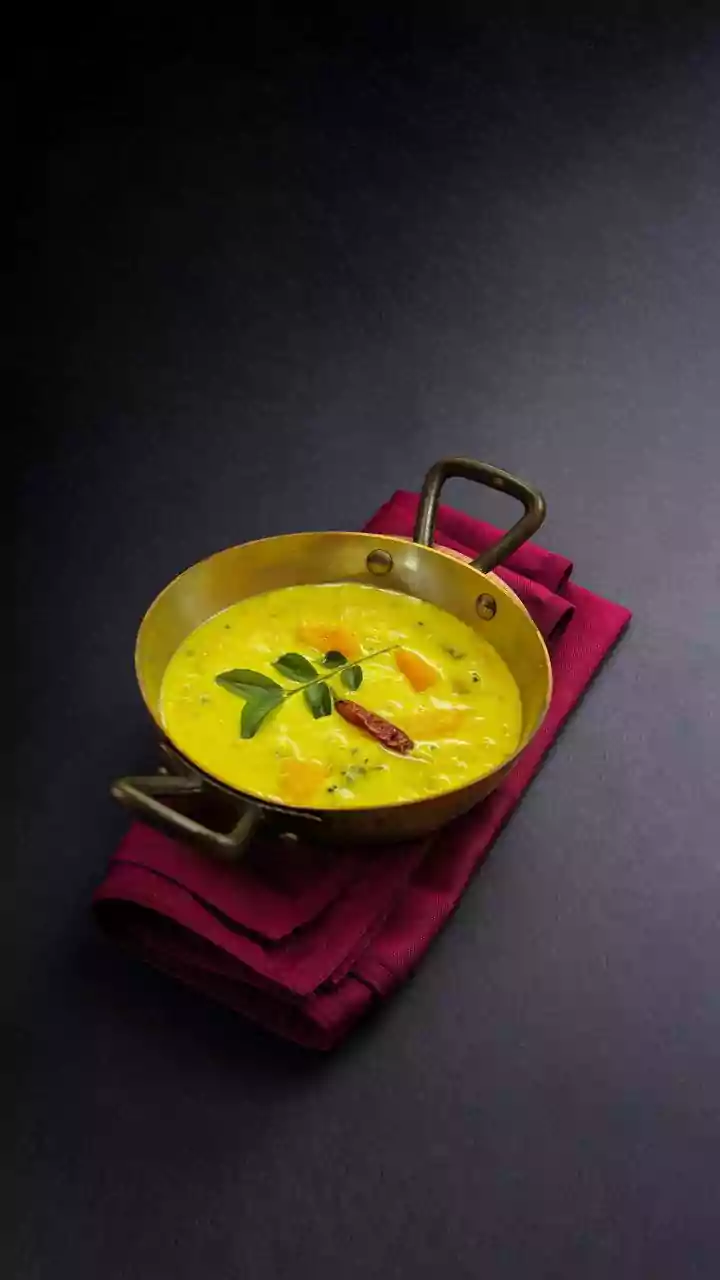
A significant driver of this trend is nostalgia. Chefs are tapping into collective memory, reinventing dishes that taste of home and childhood. These are not one-to-one replicas but creative interpretations. Think of a rich, gooey brownie made with nutrient-dense ragi, or a classic Goan poi bread served with a contemporary filling. These dishes offer the comfort of the familiar with a spark of novelty, creating an emotional connection that goes beyond just taste. This approach allows cafés to offer something unique and memorable, transforming a simple coffee run into a journey through personal and cultural history. It's a revival of heritage recipes, once confined to home kitchens, now presented with pride on mainstream menus.
The Hyperlocal Pantry
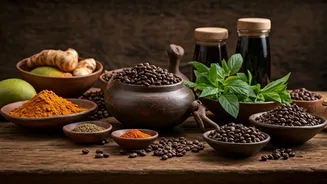
This culinary movement is deeply rooted in the philosophy of 'hyperlocalism'—sourcing ingredients from a specific, nearby geography. Chefs are building direct relationships with farmers and local producers to get their hands on unique, seasonal produce. Ingredients like the fragrant gondhoraj lime from Bengal, smoky Bandel cheese, and pungent chillies from Andhra Pradesh are becoming stars of the menu. This focus extends to reviving forgotten grains like millets and sorghum, which are finding their way into everything from dosas to tacos. This farm-to-table approach not only guarantees unmatched freshness and flavour but also supports local ecosystems and farming communities, making dining a more sustainable act.
Reimagining Indian Classics
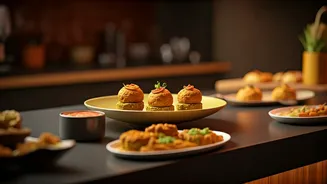
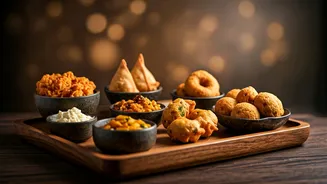
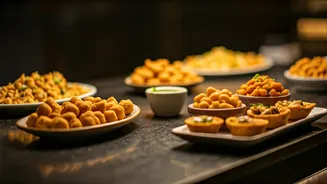
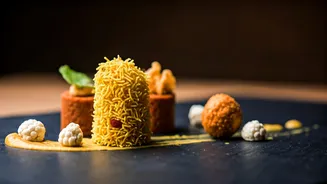
The innovation isn't just in the ingredients, but in the format. Traditional Indian dishes are being deconstructed and reimagined for a café setting. Street food favourites and regional specialities are presented as chic small plates or convenient snacks. For instance, a fiery Maharashtrian thecha might be spread on toast, while a South Indian 'podi' spice mix might season a sandwich. In Bengaluru, one chef offers a modern take on Military Lamb, pairing it with donne pulao. These fusion dishes are thoughtful, blending Indian flavour profiles with global formats in a way that feels both authentic and exciting. It’s about making regional cuisine more accessible and moving beyond the perception that Indian food is only for heavy, elaborate meals.
The Chefs Driving the Change
At the forefront of this movement is a new generation of Indian chefs. Having often trained in international kitchens, they are returning to India with a renewed appreciation for their own culinary roots. For them, using regional ingredients is a way to forge a unique identity in a crowded marketplace and to tell a story through their food. Chefs like Avinash Martins and Vanika Choudhary are building entire concepts around ingredient-led menus, inspired by their travels and personal memories. This chef-led shift is about more than just food; it's a confident declaration of India's evolving culinary identity, blending heritage with modern techniques to create something entirely new yet deeply familiar.