



Good Fats, Bad Fats, and Cholesterol
Before diving into specific oils, it helps to understand the main players: fats and cholesterol. Your body needs cholesterol, a waxy substance, to build healthy cells. However, too much of the wrong kind can be risky. Low-density lipoprotein (LDL) is known
as "bad" cholesterol because it can contribute to fatty buildup in your arteries, a process called atherosclerosis. High-density lipoprotein (HDL), or "good" cholesterol, helps remove LDL from your blood. Dietary fats have a major impact on these levels. All fats and oils are composed of fatty acids, which fall into two main camps: saturated and unsaturated. Unsaturated fats, which include monounsaturated and polyunsaturated fats, are considered heart-healthy as they can help lower LDL cholesterol. Saturated fats, on the other hand, tend to raise LDL cholesterol levels and should be consumed in moderation.
Oils to Limit in Your Kitchen
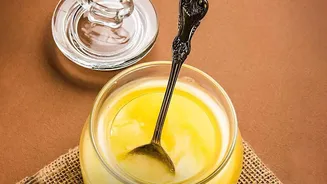
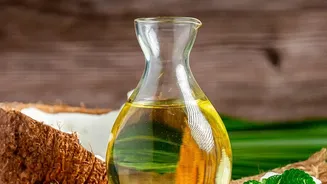
Oils high in saturated fat are typically solid at room temperature. Common examples include coconut oil and palm oil. While popular in certain diets, these tropical oils are high in saturated fats that have been shown to raise LDL cholesterol. Butter and lard also fall into this category. The American Heart Association recommends that saturated fat should make up less than 6% of your total daily calories. This doesn't mean you must banish these fats entirely, but rather use them sparingly. Think of them as occasional flavor enhancers rather than everyday cooking staples. Limiting these can be a key strategy in keeping your LDL cholesterol levels in a healthy range.
Heart-Healthy Oils to Embrace
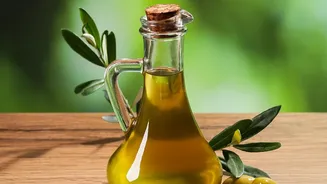
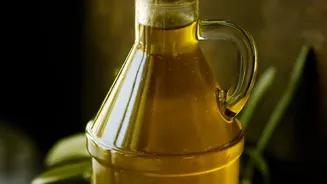
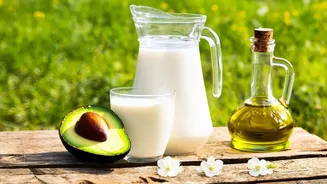
The stars of a heart-healthy pantry are oils rich in monounsaturated and polyunsaturated fats. These fats are liquid at room temperature and have been shown to help reduce bad cholesterol levels, lowering the risk of heart disease. Excellent choices include olive oil, particularly extra-virgin olive oil, which is a cornerstone of the heart-protective Mediterranean diet. Canola oil, sunflower oil, and avocado oil are other great options. Research shows that replacing just a small percentage of calories from saturated fat with polyunsaturated fats is associated with a significantly lower risk of coronary heart disease events. These oils not only help lower LDL but some may also help raise beneficial HDL cholesterol.
The Special Role of Omega Fatty Acids
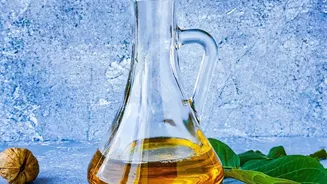
Within the polyunsaturated fat family, omega-3 and omega-6 fatty acids are essential, meaning our bodies can't produce them. We must get them from food. These fats play a crucial role in heart health, helping to lower triglycerides (another type of fat in the blood), reduce inflammation, and support overall cardiovascular function. Oils like flaxseed, soybean, and walnut oil are good sources of plant-based omega-3s (called ALA). Sunflower and corn oils are rich in omega-6s. While fish like salmon are a more potent source of omega-3s, including these plant-based oils in your diet contributes to a healthy balance and provides protective benefits.
Making Smart Swaps Simple
Incorporating these changes doesn't require a complete kitchen overhaul. It's about making small, consistent substitutions. Instead of using butter to sauté vegetables, reach for olive oil. When baking, try swapping shortening for canola oil. For high-heat cooking like searing, avocado oil is an excellent choice due to its high smoke point. For salad dressings, a base of extra-virgin olive oil or flaxseed oil is both flavorful and beneficial. By reading labels and consciously choosing oils higher in monounsaturated and polyunsaturated fats, you empower yourself to make a positive impact on your cholesterol and heart health with every meal you prepare.