



From Heirlooms to Everyday Essentials
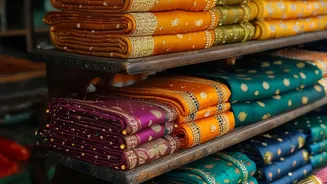
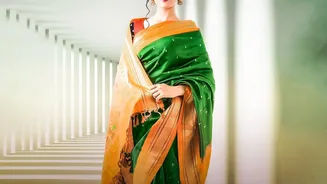
The rich silk sari from a grandmother’s trunk or the crisp Khadi kurta for a festival—this is the traditional space handloom has occupied. But that narrative is changing. Today, handwoven fabrics are being reimagined for daily life. You are now just as likely
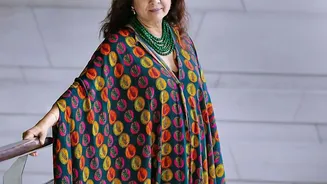
to see a Jamdani paired with boots, an Ikat dress for brunch, or a casual Gamcha kaftan at the market. This shift is moving handloom from a symbol of occasion to a choice of personal expression, valued for its comfort and character in the clothes we live in every day. The revival is not about nostalgia alone; it's about making heritage genuinely relevant and wearable in the present.
The New Weave of Contemporary Design
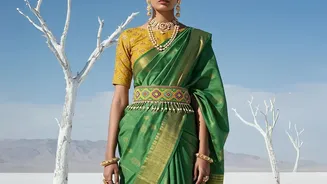
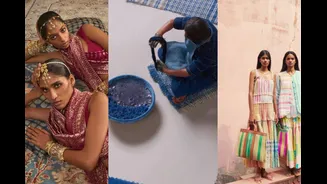
A key driver of this revival is the creative vision of contemporary designers and independent labels. They are taking fabrics like Chanderi, Banarasi silk, and Khadi and translating them into modern silhouettes such as co-ord sets, jackets, and dresses. By moving beyond the sari, designers are making these textiles accessible to a younger, global audience that values both style and substance. These creators are not just using fabric; they are collaborating directly with weaving clusters, ensuring that traditional techniques are preserved while creating market-ready pieces that feel both authentic and current. The result is a fusion of old-world craftsmanship and new-age aesthetics, proving that handloom can be both classic and cool.
A Conscious Choice for Planet and People
In an era dominated by the wastefulness of fast fashion, handloom stands out as a beacon of sustainability. The production process is inherently eco-friendly, using minimal electricity, generating near-zero waste, and often employing natural fibres and dyes. This low carbon footprint appeals to a growing number of consumers who want their fashion choices to align with their values. Beyond the environmental benefits, choosing handloom is a powerful act of social support. The sector is a major source of rural employment, second only to agriculture in India, and empowers millions of artisans, a significant number of whom are women. Every purchase contributes to preserving cultural heritage and sustaining livelihoods in weaver communities across the country.
The Digital Loom of a New Generation
The handloom revival is also being powered by digital connectivity. Social media and e-commerce platforms have become virtual marketplaces, connecting weavers and small brands directly with a new generation of customers. This bypasses traditional middlemen, enabling fairer prices and greater visibility for artisans. Younger consumers, particularly Gen Z, are drawn to the stories behind the products. They are moving away from mass-produced items in favour of unique pieces with a clear provenance. Influencers and content creators showcasing their handloom finds in everyday contexts further fuel this trend, demonstrating that these textiles are not relics but versatile components of a modern wardrobe.