






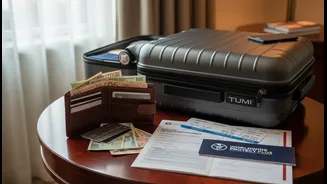


The Power of a Dedicated Fund
The secret to weathering unexpected travel costs isn't just having savings; it's having the right kind of savings. Financial experts call this a “sinking fund.” Unlike a general emergency fund, which is for true, unforeseen crises like a job loss or medical
issue, a sinking fund is money you set aside for a specific, predictable future expense. In this case, it’s a dedicated pot of money just for travel disruptions. By creating a separate fund, you build a psychological and financial barrier. This money has one job: to absorb the cost of rebooking flights or hotels. This simple strategy ensures that a change in travel plans doesn't become a full-blown financial emergency, protecting the money you rely on for daily life.
The Difference Is Peace of Mind
When you lump all your savings into one account, it's easy to lose track of what’s for emergencies versus what’s for planned goals. A surprise flight change could force you to pull from your main emergency fund, leaving you vulnerable. Worse, you might turn to high-interest credit cards, with studies showing nearly a third of travelers go into debt to fund their trips. A dedicated rebooking pot provides clarity and control. You know exactly how much you have available for travel mishaps. This prevents debt, protects your financial safety net, and, most importantly, removes the anxiety from the travel planning process, allowing you to handle hiccups with confidence.
How Much Should You Save?
Determining the right amount for your rebooking fund depends on your travel habits. A good starting point for a general travel contingency fund is 10–20% of your total trip budget. For a more specific rebooking fund, consider the potential costs. While many major U.S. airlines have eliminated change fees for main cabin tickets, you are still responsible for paying the fare difference between your old flight and the new one, which can be hundreds of dollars. International change fees can still range from $200 to over $500 on certain tickets. Start with a realistic goal. Aiming for ₹20,000 to ₹40,000 is a solid target that can cover a significant fare difference or a last-minute hotel night. The goal isn't to cover every possibility, but to create a buffer that makes most problems manageable.
Where to Keep Your Rebooking Pot
The key is to keep this money separate from your primary checking account to avoid accidentally spending it. The best home for your rebooking fund is a high-yield savings account. These accounts are easily accessible but are separate from your daily spending money. This separation makes it a deliberate choice to use the funds. Many digital banks allow you to open multiple savings accounts and give them nicknames. Labeling an account “Travel Rebooking Fund” serves as a powerful psychological reminder of its purpose, making you less likely to dip into it for an impulse purchase. You want the money to be liquid and safe, not invested in the stock market where its value could drop right when you need it.
Build Your Fund Automatically
The most effective way to build any savings fund is to make it automatic. Waiting to see what’s “left over” at the end of the month often means you save nothing. Instead, set up an automatic, recurring transfer from your checking account to your dedicated rebooking fund. Schedule the transfer to happen the day after you get paid. Even a small amount, like ₹1,000 or ₹2,000 a month, adds up significantly over time. By automating the process, you treat your savings goal like any other bill. The money moves without you having to think about it, allowing you to consistently build your financial buffer without feeling the pinch.