





The Problem with Popularity
America’s national parks are treasures, but their immense popularity has created a paradox. The very places people go to find peace are often overwhelmed with human activity. This constant presence doesn't just dilute the feeling of solitude; it has a tangible
impact on the environment. Studies and observations consistently show that even low levels of human recreation can alter the natural behavior of wildlife. Many animals, from bears to deer, react to human presence by becoming more nocturnal or avoiding high-traffic areas altogether. This means your chances of a spontaneous, natural sighting diminish when you're sharing the trail with hundreds of other people. The noise, the foot traffic, and the general disturbance push the wilderness experience further away, leaving you with a beautiful, but sometimes sterile, landscape.
Why Smaller Towns Mean Better Sightings
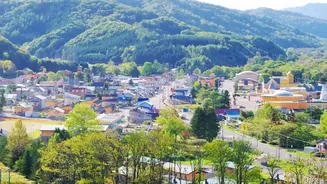
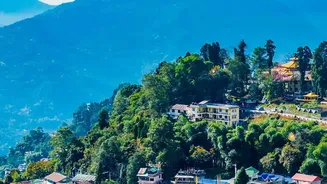
The magic of a less-frequented hill town lies in what it lacks: crowds. These towns, often nestled near national forests or state lands rather than major national parks, serve as gateways to a quieter wilderness. When trails are used by fewer people, animals face less stress and are more likely to follow their natural daily routines. A study on human activity in protected areas found that wildlife detections dropped to nearly zero once visitor numbers reached a certain threshold. By choosing a trail with minimal human footfall, you are stepping into an environment where the animals are less disturbed. This increases the odds of seeing species in their own habitat, behaving naturally—a far more rewarding experience than spotting a creature accustomed to human presence. The silence of these trails also means you’re more likely to hear the snap of a twig or the call of a bird that signals wildlife is near.
The Joy of an Unpolluted Path
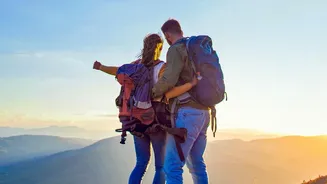
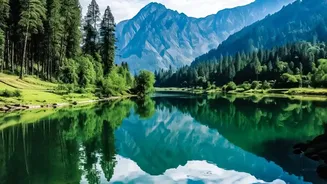
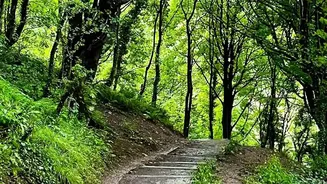
The term 'unpolluted' goes beyond just air quality. On a less-traveled trail, you’re more likely to find a path free of litter and the scars of overuse. Overcrowding leads to soil erosion, trampled vegetation, and a general degradation of the trail environment. In quieter areas, the forest floor is more intact, the plant life is richer, and the feeling of being in a pristine, untouched setting is palpable. This also extends to a kind of mental clarity. Without the distraction of constant noise and the need to navigate around other groups, you can fully immerse yourself in the sounds and smells of the forest. This is the core of what many hikers seek: a direct, unfiltered connection with nature. Choosing these paths helps preserve them, as dispersed use prevents the intense impact concentrated on popular routes.
How to Find Your Hill Town Haven
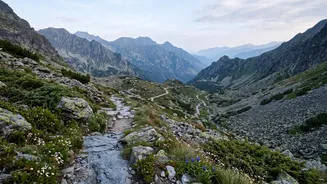
Finding these gems requires a slight shift in travel planning. Instead of searching for 'best hikes near a national park', try looking for small towns adjacent to national forests, wilderness areas, or state parks. Use online maps to zoom in on green-shaded areas and identify the small communities on their borders. Places like Bryson City, North Carolina; Stanley, Idaho; or Salida, Colorado, offer incredible access to nature without the fanfare of a major park entrance. Explore websites for these smaller towns, which often have sections dedicated to local trails that don't appear on mainstream travel blogs. Look for routes described as being on Bureau of Land Management (BLM) property or within a state forest. Calling a local ranger station is another excellent strategy; rangers can provide up-to-date information on trail conditions and suggest routes that match your skill level and desire for solitude.
Hike Responsibly, Protect the Quiet
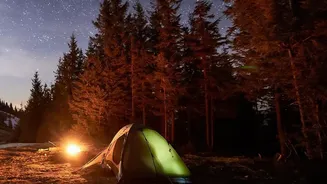
Once you've found your secluded trail, the goal is to leave it as pristine as you found it. The principles of Leave No Trace are especially crucial in these lessndmonitored areas. This means packing out everything you pack in, including food scraps. It also means respecting wildlife from a distance and never feeding them, which can alter their behavior and harm their health. Stay on the designated trail to prevent erosion and damage to delicate plants. By being a considerate visitor, you help ensure that these quiet places remain havens for both the wildlife that lives there and the future hikers who will seek the same peaceful experience you did. Your responsible actions are what protect the very qualities that make these hidden spots so special.