




The Main Event: The Moon Hides Jupiter
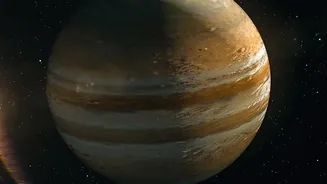
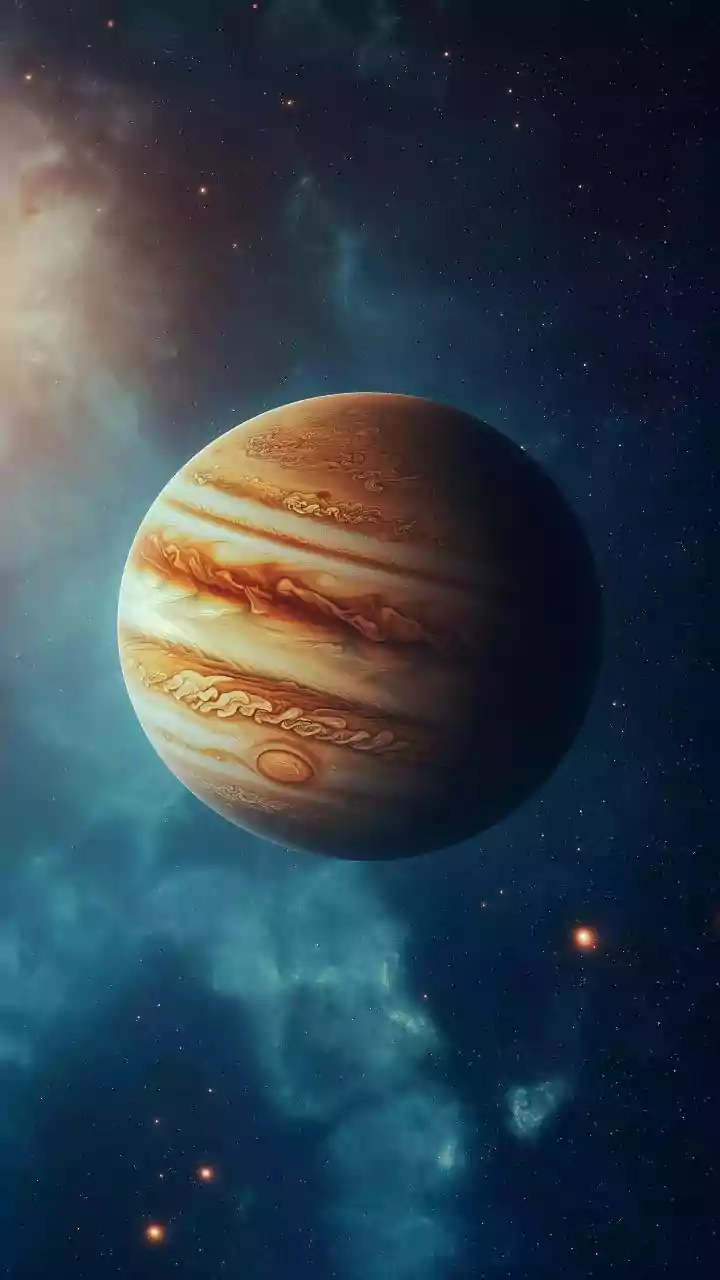
The standout celestial event this month is a lunar occultation of Jupiter on Tuesday, October 6. An occultation is when one object in the sky passes in front of another, temporarily hiding it from view. In the early morning hours, the waning crescent
Moon will pass directly in front of the giant planet, causing it to disappear for about an hour. While a close pairing of the Moon and Jupiter is fairly common, an occultation where the planet is completely hidden is a much rarer sight. For most of North America and parts of Africa, Jupiter will vanish entirely. For viewers in India, this specific occultation won't be visible, but you will still be treated to an exceptionally close and beautiful pairing of the thin crescent Moon and the brilliant planet in the pre-dawn sky. Look to the eastern sky an hour or so before sunrise to see them shining brightly together.
When and Where to Look
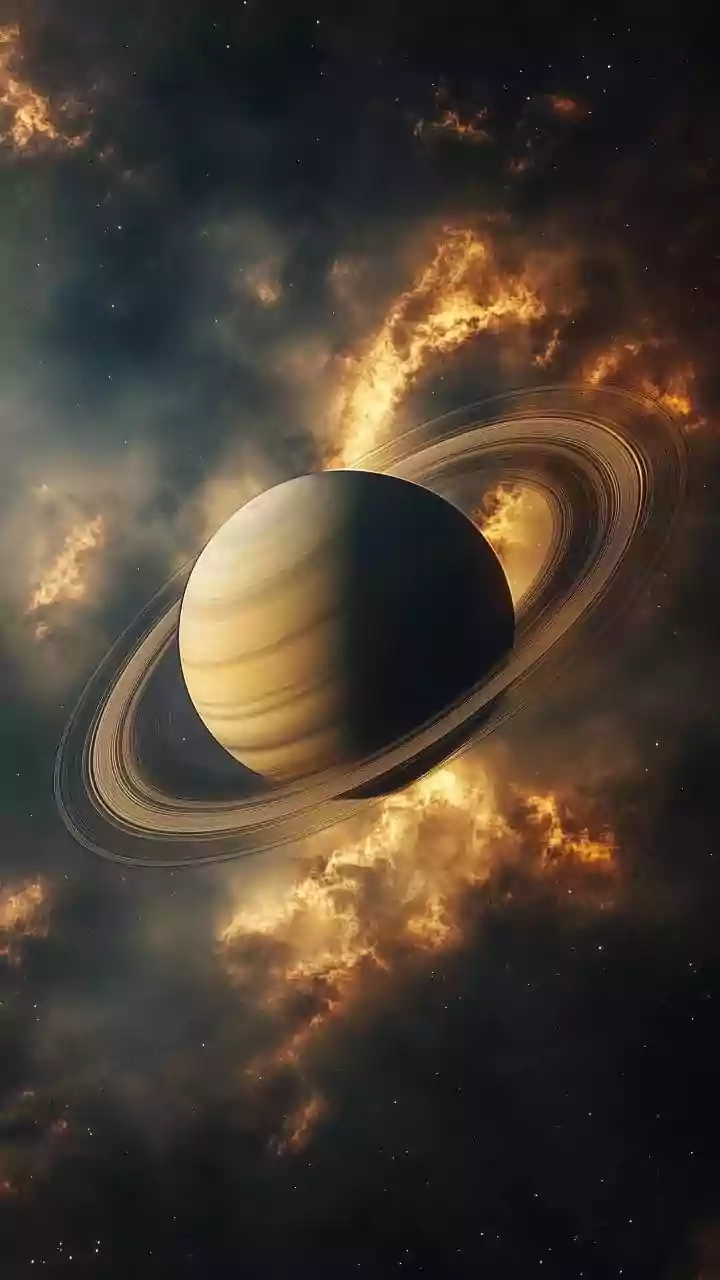
For the Moon and Jupiter pairing, your best opportunity is the morning of October 6, about 60 to 90 minutes before local sunrise. Find a spot with a clear view of the eastern horizon. Jupiter will be unmistakable as the brightest point of light near the delicate crescent Moon. Earlier in the month, Saturn takes centre stage. On October 4, the ringed planet reaches opposition, meaning it is directly opposite the Sun in our sky. This is when Saturn is at its closest and brightest for the year, rising around sunset and remaining visible all night long. This makes the nights of October 3, 4, and 5 the best time to spot it. Look for a bright, steady, yellowish point of light.
Shooting Stars from Halley's Comet
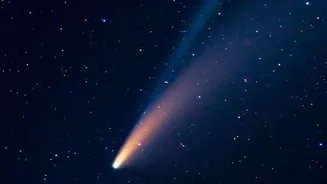
October also hosts one of the year's most reliable meteor showers: the Orionids. This shower is active from early October to early November, but it will peak on the night of October 21 and into the pre-dawn hours of October 22. The Orionids are beloved for their speed and brightness, with some meteors leaving persistent trails that glow for a few seconds. These shooting stars are actually tiny pieces of debris left behind by the famous Halley's Comet. At its peak, you can expect to see around 15 to 20 meteors per hour in a dark sky. This year, a bright waxing gibbous Moon will be in the sky during the evening, which may wash out some of the fainter meteors. For the best show, wait until after the Moon sets, which will be a few hours before dawn.
Tips for the Best Viewing Experience
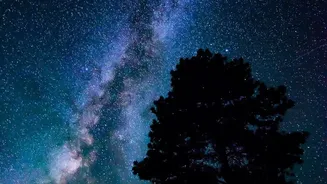
You don’t need any special equipment to enjoy most of these events. The Moon and Jupiter pairing, as well as the meteor shower, are all visible with the naked eye. However, even a simple pair of binoculars will enhance the view dramatically, revealing the texture of the Moon's surface or even Jupiter's four largest moons, which look like tiny stars aligned with the planet. For urban dwellers in cities like Mumbai, Delhi, or Bengaluru, the biggest challenge is light pollution. To maximise what you can see, find a location away from direct streetlights, like a park, a rooftop, or an open field. Give your eyes at least 20-30 minutes to fully adapt to the darkness; this will help you spot fainter stars and meteors. Avoid looking at your bright phone screen, as the white light will ruin your night vision.
Other Sights to Catch
While Jupiter and the Orionids are the headliners, there's more to see. On October 5, the Moon will also have a close encounter with Mars. You can spot both planets, Jupiter and Mars, near the Moon in the early morning. Later in the month, the Full Hunter's Moon will rise on October 26. And for those with a telescope, Saturn’s opposition on October 4 provides the perfect chance to try and spot its famous rings. The sky is a busy place this month, offering a great reason to step outside, look up, and connect with the cosmos.