



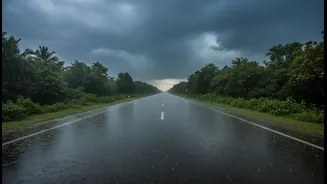



North India: Heavy Rain and Travel Alerts
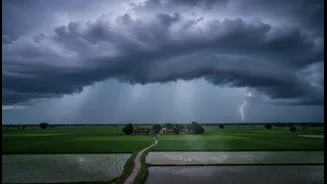
North India is currently under the influence of an active monsoon spell. The IMD has issued alerts for heavy to very heavy rainfall across several states until the middle of July. Himachal Pradesh and Uttarakhand are particularly vulnerable, with widespread
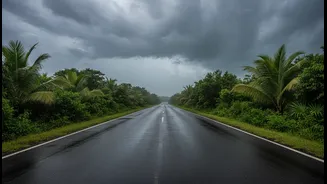
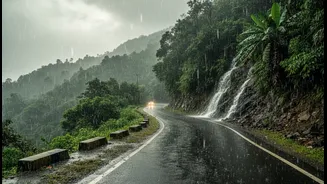
rain expected to continue, increasing the risks of landslides, flash floods, and road closures. In recent days, heavy downpours have already blocked numerous roads, including national highways, and authorities have rescued stranded pilgrims. For those travelling to or through Jammu and Kashmir, heavy rainfall is expected on July 12, with scattered showers predicted for the following days. States like Punjab, Haryana, Chandigarh, and Delhi are also on alert for heavy rainfall, which could lead to waterlogging and traffic disruptions in urban areas. Travellers are strongly advised to check local conditions, avoid vulnerable hilly areas, and postpone non-essential trips to high-risk zones.
East and Northeast India: Widespread Monsoon Fury
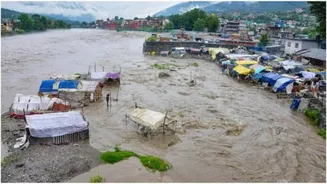
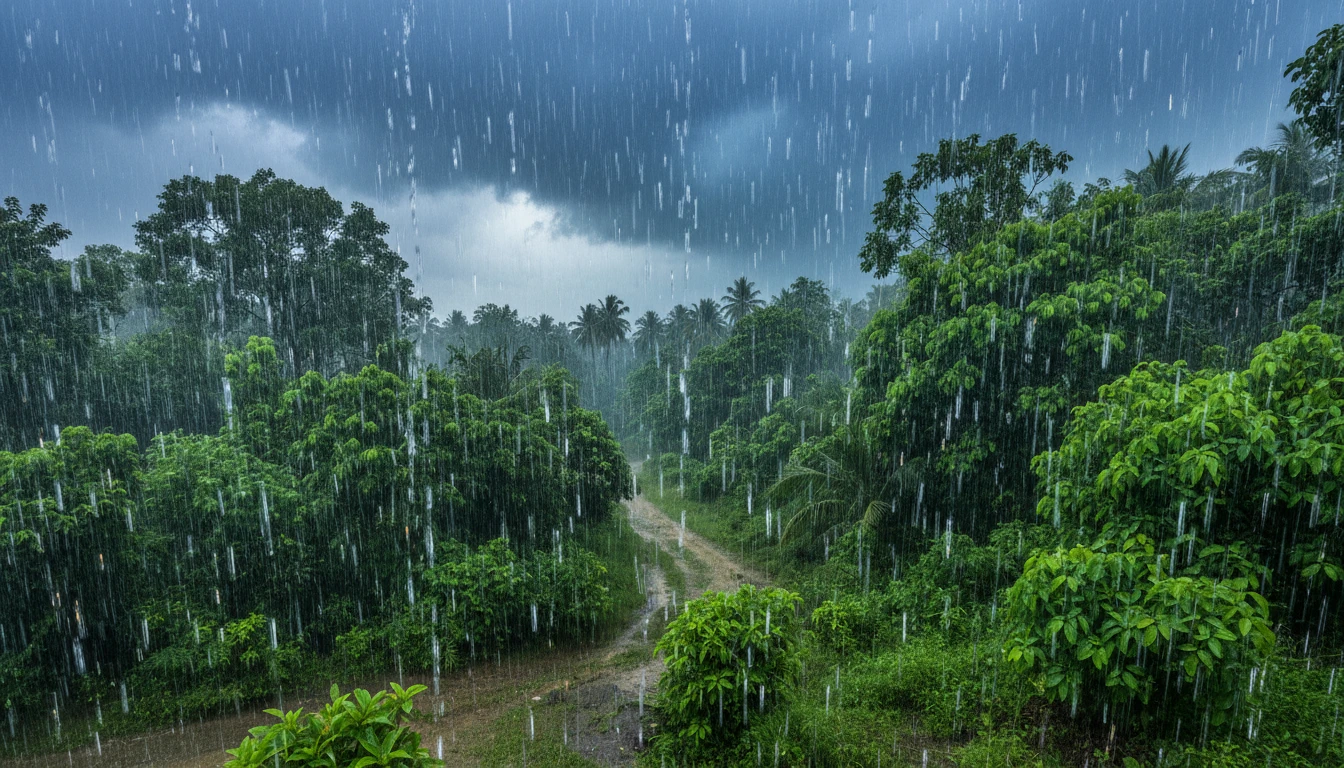
The monsoon is showing its full force in East and Northeast India. Heavy to very heavy rainfall is predicted for Assam, Meghalaya, Arunachal Pradesh, and other northeastern states for the next several days. Meghalaya is under a red alert for extremely heavy rainfall in some areas. This intense rain has already led to flooding and landslides, affecting thousands of people and disrupting transport. In the eastern states, Bihar, Jharkhand, Odisha, and West Bengal are also bracing for heavy showers. The IMD forecasts heavy to very heavy rainfall in Sub-Himalayan West Bengal, Sikkim, and Bihar around July 12. Authorities in states like Assam have urged residents to take precautions against potential flash floods and waterlogging. If your travel plans include this region, expect delays and be prepared for challenging conditions.
West and Central India: A Mixed Bag
The monsoon's impact on West and Central India presents a more varied picture. While the southwest monsoon has officially covered the entire country, rainfall distribution remains uneven. The IMD has forecast that rainfall activity will likely be subdued over parts of west-central and south peninsular India for about a week. Earlier in the month, regions like the Konkan coast, Goa, and parts of Madhya Pradesh experienced intense rainfall, prompting flash flood alerts. However, the latest forecasts suggest a reduction in rainfall activity over Maharashtra, Gujarat, and Madhya Pradesh. Despite this, travellers along the western coast, including popular destinations in Konkan and Goa, should remain cautious as fairly widespread rainfall is still likely through mid-July. Fishermen have been advised not to venture into parts of the Arabian Sea due to expected squally weather.
South India: Subdued Activity But Caution Advised
For much of South India, the monsoon is expected to be less active over the next week. While Kerala saw heavy rainfall and issued orange alerts in some districts earlier in the month, the overall intensity is predicted to decrease across the southern peninsula. The IMD forecast suggests subdued rainfall activity, but thunderstorms accompanied by gusty winds are still possible over parts of Telangana and coastal Andhra Pradesh. Interestingly, while most of the country is dealing with rain, isolated heatwave conditions are still possible over Coastal Andhra Pradesh, highlighting the contrasting weather patterns at play. Even with reduced rainfall, it is always wise for travellers to monitor local weather updates, especially when visiting coastal areas, as conditions can change rapidly. The general advice is to avoid swimming in the ocean during the monsoon season due to strong currents.
Essential Travel Safety Tips
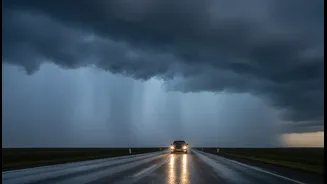
Travelling during the monsoon requires extra care and preparation. Before you start your journey, always check the latest district-level weather alerts from the IMD, as conditions can vary significantly within a single state. Avoid driving at night in hilly areas where rain and fog can severely reduce visibility and increase the risk of accidents from falling debris. Never attempt to cross overflowing rivers or streams, as water levels can rise with dangerous speed. It is wise to build extra time into your travel itinerary for potential delays caused by rain, whether you are travelling by road, rail, or air. Pack a safety kit that includes essential medicines, a power bank, dry snacks, drinking water, and waterproof bags for your electronics. Finally, choose accommodations with flexible cancellation policies in case the weather forces a change of plans. A safe trip is always the best trip.