





The YUVIKA Programme: A Young Scientist's Dream
One of ISRO's most exciting initiatives is the 'YUva VIgyani KAryakram' (YUVIKA), or Young Scientist Programme. This is a two-week residential programme designed to give school students a foundational understanding of space technology, space science,
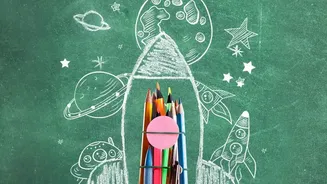
and its applications. The goal is to 'catch them young' and encourage more students to pursue careers in Science, Technology, Engineering, and Mathematics (STEM). Selected students, typically those who have just finished Class 9, get to visit ISRO centres, interact with eminent scientists, and participate in hands-on activities like model rocketry, robotics, and assembling DIY kits. The programme, which includes classroom lectures and extracurricular activities, is a comprehensive experience that immerses young minds in the world of space exploration.
Digital Learning on the JIGYASA Portal
For those who cannot participate in residential programmes, ISRO brings space education directly to your screen. The ISRO STEM portal, also known as Jigyasa, is a digital platform offering a wealth of resources for students. It provides free online certified courses on topics related to space science and technology. Beyond courses, the portal features interactive video sessions with space scientists, a virtual museum, videos explaining ISRO's missions, and even a space dictionary. This initiative makes learning about space accessible to anyone with an internet connection, allowing students to learn at their own pace and explore areas that pique their curiosity.
Competitions and Challenges to Test Your Skills
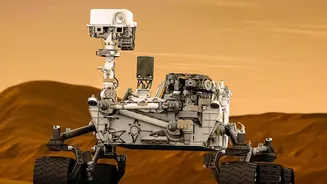
ISRO frequently organises competitions that challenge students to apply their knowledge and creativity. The ISRO Robotics Challenge (IRoC-U), for instance, invites engineering students to design and build robotic systems for challenges that simulate future space exploration needs, such as autonomous navigation. For younger students, various centres conduct essay writing competitions and science quizzes, especially during events like World Space Week and National Science Day. These competitions are more than just a contest; they encourage students to think critically about real-world engineering problems and develop innovative solutions, nurturing a spirit of scientific inquiry and teamwork.
Student Satellite Programme: Build and Launch
For university and college students, ISRO offers a truly unique opportunity: the Student Satellite Programme. This initiative allows educational institutions to participate directly in space missions by designing, developing, and fabricating their own small satellites. ISRO provides technical guidance, reviews the designs, and can even assist with critical materials for the mission. Participating students can either develop a complete satellite or create a specific payload to be flown on one of ISRO's own satellites. It is a demanding but incredibly rewarding experience that provides hands-on learning in satellite engineering, from the drawing board to orbit.
Visiting ISRO Centres: See Science in Action
Seeing is believing, and a visit to an ISRO facility can be a deeply inspiring experience. Many ISRO centres across the country, including those in Bengaluru, Thiruvananthapuram, and Sriharikota, facilitate visits for school and college groups. These are not casual walk-in tours; they require a formal request from the head of the educational institution to the Public Relations Officer of the specific centre. With prior approval, students can visit space museums, view exhibitions, and in some cases, see the facilities where satellites are built and tested. For many, witnessing the scale of India's space programme up close is the spark that ignites a lifelong passion for science.
Outreach Events and Annual Celebrations
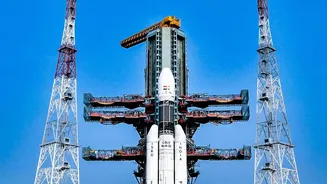
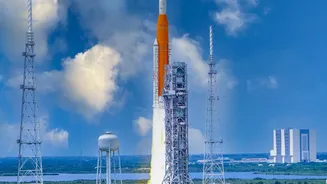
ISRO actively engages with the public through a variety of outreach programmes, especially during World Space Week in October and National Science Day. Its centres across India host exhibitions, lectures, and open house events that are accessible to students. For example, Satish Dhawan Space Centre (SDSC) in Sriharikota has an open launch view gallery, which has allowed thousands of people to witness rocket launches live. These events aim to share the excitement of science with the community and often feature special activities and demonstrations designed to engage students of all ages.