


From Traditional Staple to Modern Snack
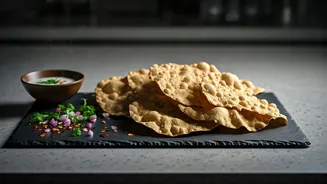
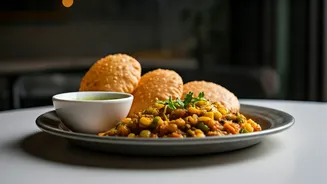
First, let's get acquainted. If you’ve ever dined at an Indian restaurant, you’ve likely encountered its ancestor: the papadum. These thin, crisp, dinner-plate-sized discs, traditionally made from lentil, chickpea, or rice flour, are a centuries-old staple.
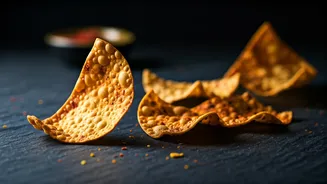
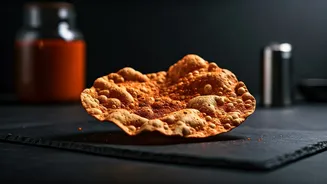
Served alongside meals, they’re either roasted over an open flame for a smoky char or deep-fried until they puff into a delicate, brittle wafer. But the papad chip is its cooler, more convenient younger cousin, tailor-made for the American pantry. Instead of a large, fragile disc, these gourmet versions are often smaller, thicker, and more uniformly shaped, like a conventional chip. They’re designed for durability, ready to be scooped into a bag and withstand a trip to the park or a plunge into a thick dip. By reformatting the papadum into a familiar chip form, manufacturers have brilliantly lowered the barrier to entry for snackers unfamiliar with traditional Indian cuisine, making it an easy and intriguing swap for tortilla or potato chips.
The Allure of 'High Crunch' and Masala
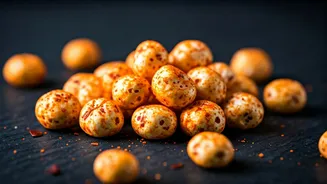
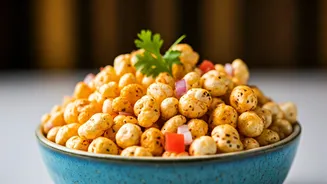
Two words in the name do a lot of heavy lifting: “high crunch” and “masala.” The texture is a huge part of the appeal. Unlike the often-greasy finish of a potato chip, papad chips—typically made from protein-rich lentil flour—offer a cleaner, sturdier, and more resonant *snap*. It’s a powerful, satisfying crunch that holds up exceptionally well to dips like hummus, raita, or spicy guacamole without getting soggy. Then there’s the flavor. “Masala” simply means a blend of spices, but in this context, it signifies a departure from one-note American chip flavors like “sour cream and onion.” These chips are dusted with complex, aromatic blends that can include cumin, coriander, turmeric, black pepper, chili, and tangy amchur (dried mango powder). The result is a snack that delivers layers of taste: earthy, spicy, savory, and often with a hint of heat that builds slowly. It’s a flavor profile that engages the entire palate, catering to a growing consumer desire for more adventurous and authentic global tastes.
Why They're 'Ruling' the Urban Kitchen
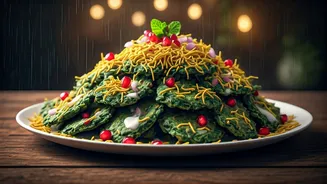
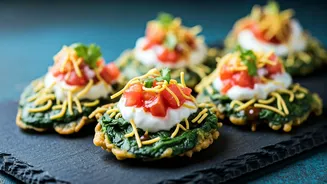
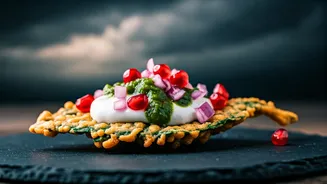
The headline's claim of “ruling urban kitchens” might seem bold, but it speaks to the versatility of these chips. They aren't just being eaten straight from the bag during a Netflix binge. Food-savvy home cooks, particularly in cities, are incorporating them in creative ways. They’re appearing on charcuterie boards next to manchego and prosciutto, offering a gluten-free, spicy alternative to crackers. Chefs and home cooks alike are crumbling them over soups and salads for a textured, flavorful garnish, like a next-generation crouton. They're used as a base for modern chaat (a savory Indian snack), topped with yogurt, chutneys, and fresh herbs. This adaptability is key; the papad chip isn’t just a snack, it’s an ingredient.
A Perfect Snack for the Moment
The rise of the gourmet papad chip isn't happening in a vacuum. It sits at the intersection of several major American food trends. First, the wellness-conscious snacker is drawn to their often gluten-free and higher-protein base (lentils!). Second, there's the explosive growth in demand for global cuisines, with consumers actively seeking out authentic and interesting flavors from around the world. Finally, the premium snack market is booming. People are willing to pay a little more for a high-quality, thoughtfully made product that feels special. Masala papad chips check all three boxes, offering a snack that feels both wholesome, worldly, and a little bit luxurious.