







As winter's chill sets in, you might notice your water bottle gathering dust. It's not just you—cold weather actively tricks your body into feeling less thirsty. Here’s the science behind this sneaky dehydration and how to stay on top of it.
The Dehydration Deception
In the summer,
your body sends clear signals: you're hot, you're sweating, and you're thirsty. But in colder weather, those signals get muffled. Research shows that our thirst response can decrease by up to 40% in the cold, even when our body needs just as much water. This biological quirk makes it easy to slip into a state of mild dehydration without even realising it, leading to fatigue, headaches, and trouble concentrating. Since thirst isn't a reliable guide in winter, we have to be more proactive about hydration.
Why Your Body Gets Confused
The primary reason for this diminished thirst is a process called cold-induced vasoconstriction. When you're cold, your body works to conserve heat by narrowing the blood vessels in your extremities, like your hands and feet. This pushes more blood towards your core to protect your vital organs. Your brain interprets this increased blood volume in the core as a sign that you are well-hydrated, even if you aren't. As a result, it dials down the hormones that trigger thirst and can even increase urine production, a phenomenon known as cold-induced diuresis, further contributing to fluid loss.
The Invisible Ways You Lose Water
Dehydration in winter is also driven by less obvious forms of fluid loss. Every time you see your breath in the cold air, you're watching water vapour leave your body. Cold, dry air requires your lungs to work harder to warm and humidify it, which uses up more of your body's moisture with every breath. Additionally, you still sweat under all those warm layers, but because the cold air is dry, the sweat evaporates much more quickly than it would in the summer. Without the feeling of being drenched, you might not realise you're losing significant amounts of fluid.
Warm Up Your Hydration Routine
If the thought of chugging ice_cold water on a chilly day makes you shiver,_you're not alone. The simple solution is to switch to warmer beverages. Drinking warm water,_perhaps with a slice of lemon or a bit of honey,_can feel more comforting and appealing. Herbal teas,_clear broths,_and nourishing soups all count towards your daily fluid intake. These not only provide hydration but also have the added benefit of warming you from the inside out,_making it a win_win strategy for staying comfortable and hydrated during the colder months.
Eat Your Water
Don't forget that a significant portion of your fluid intake comes from the food you eat. Many winter fruits and vegetables are packed with water and can help you reach your hydration goals. Think of juicy oranges,_apples,_and pears. Hearty stews and soups made with vegetables like tomatoes,_zucchini,_and celery are excellent choices. Starting your day with a bowl of oatmeal is another great way to sneak in some extra fluids while getting a nutritious breakfast.
Set a Schedule,_Not Just a Goal
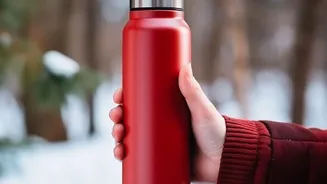
Since you can't rely on thirst,_building a consistent drinking habit is key._Instead of waiting for your body to send a signal,_drink water on a schedule._Try to have a glass of water when you first wake up,_with every meal and snack,_and before you go to bed._Keeping a reusable water bottle on your desk or with you throughout the day serves as a constant visual reminder to sip regularly._There are even apps that can help you track your intake and send you reminders to drink up.