






The Rise of the Permit Raj
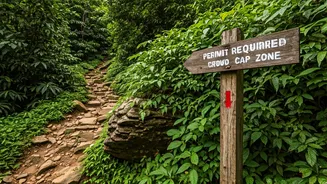
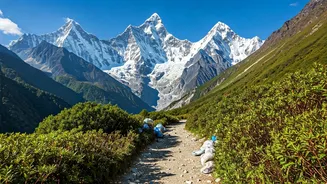
Not long ago, the biggest hurdles to a Himalayan adventure were physical fitness, traversing tricky terrain, and braving unpredictable weather. Today, it’s often about winning a race against a digital clock. States across India, from Uttarakhand to Karnataka,
are implementing strict daily caps on the number of trekkers allowed on popular trails. These measures, born from a genuine need to curb overtourism and protect fragile ecosystems, have created a new 'Permit Raj'. For instance, Karnataka now limits trekkers to 300 per day at many sites, managed via an online portal. In Uttarakhand, treks in national parks like Gangotri have long-standing daily quotas, and entry into sensitive areas like the Nanda Devi Sanctuary remains closed to trekkers. The stated goal is noble: to prevent the degradation seen on trails overwhelmed by foot traffic, litter, and noise. The explosion in trekking's popularity, fueled by social media, has turned serene meadows into crowded thoroughfares, necessitating some form of control.
A Filter of Planning, Not Passion
The critical shift is in what these caps filter for. They don't select the most experienced, fit, or respectful trekkers. Instead, they favour those who are excellent planners or can afford to book months in advance through organised agencies. The spontaneous weekend trip to a popular trail is becoming a relic of the past. The new system filters for administrative skill: the ability to navigate online booking systems, provide all necessary documentation like ID cards and fitness certificates, and commit to a plan weeks or months ahead. This inadvertently sidelines a whole class of trekkers—students, freelancers with unpredictable schedules, and those who seek the mountains for spontaneous escape. It turns a pursuit of freedom into a structured, ticketed event, where the challenge lies in securing the permit, not necessarily completing the journey.
Unintended Consequences on the Ground
While crowd caps may reduce footfall, they don't automatically solve the underlying problems and can create new ones. The system can concentrate trekkers into specific, permitted windows, sometimes leading to trail congestion anyway. More concerningly, it can push trekking towards a more commercialised, less accessible model. With limited slots available, large tour operators with the resources to bulk-book permits can dominate the landscape, potentially squeezing out smaller, local guides. The regulations also come with added layers of requirements, such as mandatory guides for every 10-15 trekkers and compulsory GPS tracking in some areas. While framed as safety measures, they add to the cost and reduce the autonomy of the trekker, changing the very nature of the experience from a personal challenge to a guided tour.
What's the Alternative?
Simply capping numbers is a blunt instrument. A more sustainable, long-term solution requires a multi-pronged approach. Instead of just restricting access to the few hyper-popular trails, authorities could invest in developing and promoting alternative, lesser-known routes to disperse the crowds. Strengthening the enforcement of 'Leave No Trace' principles, with significant fines for littering and environmental damage, could change behaviour more effectively than a simple gatekeeping mechanism. Empowering local communities to be the primary stakeholders and beneficiaries of tourism can foster a culture of conservation from the ground up. The focus should shift from merely limiting access to actively managing it, educating trekkers, and distributing the economic benefits and environmental load more evenly.