


A Bold New Culinary World
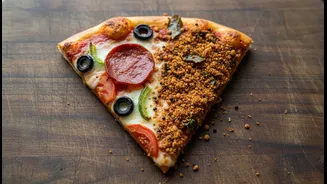
From metropolitan restaurants to bustling street-food stalls, a wave of culinary creativity is reshaping menus. This isn't just about mixing and matching; it's a confident reinterpretation of flavour. Dishes like chocolate pani puri, pizza dosa, and mutton
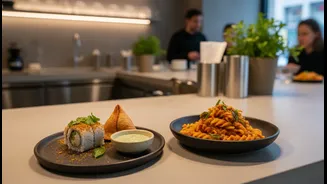
ghee roast served in bao buns are becoming increasingly common. This movement, often called fusion, is better described as cross-cultural experimentation. It’s a dialogue between familiar Indian tastes and global formats like tacos, pizzas, and ramen. This approach makes global trends accessible while giving beloved local dishes a surprising new context, satisfying both adventurous eaters and those seeking a touch of novelty in their comfort food.
The Instagram-Ready Plate
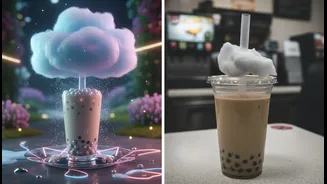
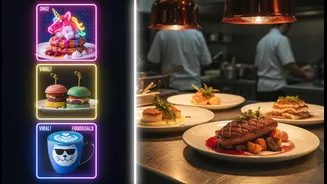
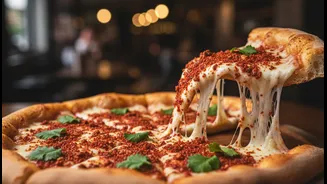
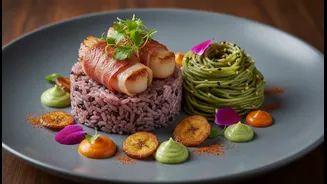
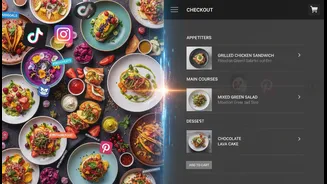
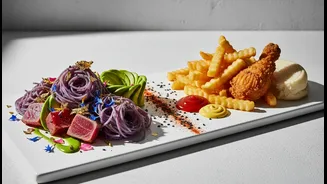
A key driver behind this explosion is the power of social media. A visually stunning dish can go viral overnight, turning a small eatery into a must-visit destination. Platforms like Instagram have made food discovery a digital-first experience for a majority of urban diners. The more colourful, oversized, or inventive a dish looks—think cheese-pull shots from a dosa or vibrant sauces on a taco—the more shareable it becomes. This has pushed chefs and restaurateurs to think like content creators, designing food that is not only delicious but also cinematic. The result is a self-perpetuating cycle: eye-catching food drives social media buzz, which in turn fuels diner curiosity and demand for more innovative dishes.
A Generation Hungry for More
This culinary experimentation would not be possible without an audience eager to embrace it. Urban India, especially its Gen Z and millennial population, is more globally exposed and adventurous than any generation before. For them, dining is not just about satisfying hunger; it's about exploration, entertainment, and collecting new experiences. They are curious, willing to try unique flavour combinations, and actively seek out what's trending. This shift in consumer mindset from passive consumption to active discovery has created the perfect environment for chefs to push boundaries, confident that there is a receptive audience waiting to taste what they come up with next. This demand for 'newstalgia'—a blend of nostalgia and newness—is a defining characteristic of the modern Indian palate.
Why July Is the Perfect Storm
The timing is no coincidence. The arrival of the monsoon in July brings a specific mood and a craving for foods that are warm, comforting, and indulgent. Restaurants across the country are tapping into this by launching special seasonal menus. While some menus offer traditional rainy-day classics like pakoras and chai, many are using the season as an opportunity to innovate. You'll find limited-edition menus featuring everything from Japanese hot pots and Korean stews to globally-inspired 'Monsoon Bowls' with ingredients like millet khichdi or Malaysian laksa. These offerings provide the perfect excuse for people to dine out and escape the grey weather, making July a focal point for culinary discussions and new launches.
Chefs as Confident Storytellers
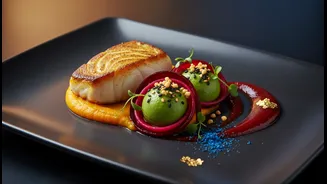
Ultimately, this trend is driven by a new generation of Indian chefs who are cooking with unprecedented confidence. Trained in global techniques but deeply connected to their regional roots, they are moving beyond simply recreating traditional recipes. Fusion has become a platform for storytelling, where a dish can reflect a chef's personal history, travels, or a unique cross-cultural exchange. Rather than seeing tradition and innovation as opposites, they are blending them to create food that feels both authentic and modern. This maturation of fusion cuisine—from gimmick to a genuine art form—is allowing regional Indian flavours to find a new, global relevance on the plate.