

The nostalgic aroma of roasting chestnuts is a hallmark of winter. Instead of enjoying them only as a fleeting snack, make one large batch. With a little planning, this single ingredient can anchor a week's worth of diverse, delicious meals.
The Perfect Foundation: How to Roast Chestnuts
The key to
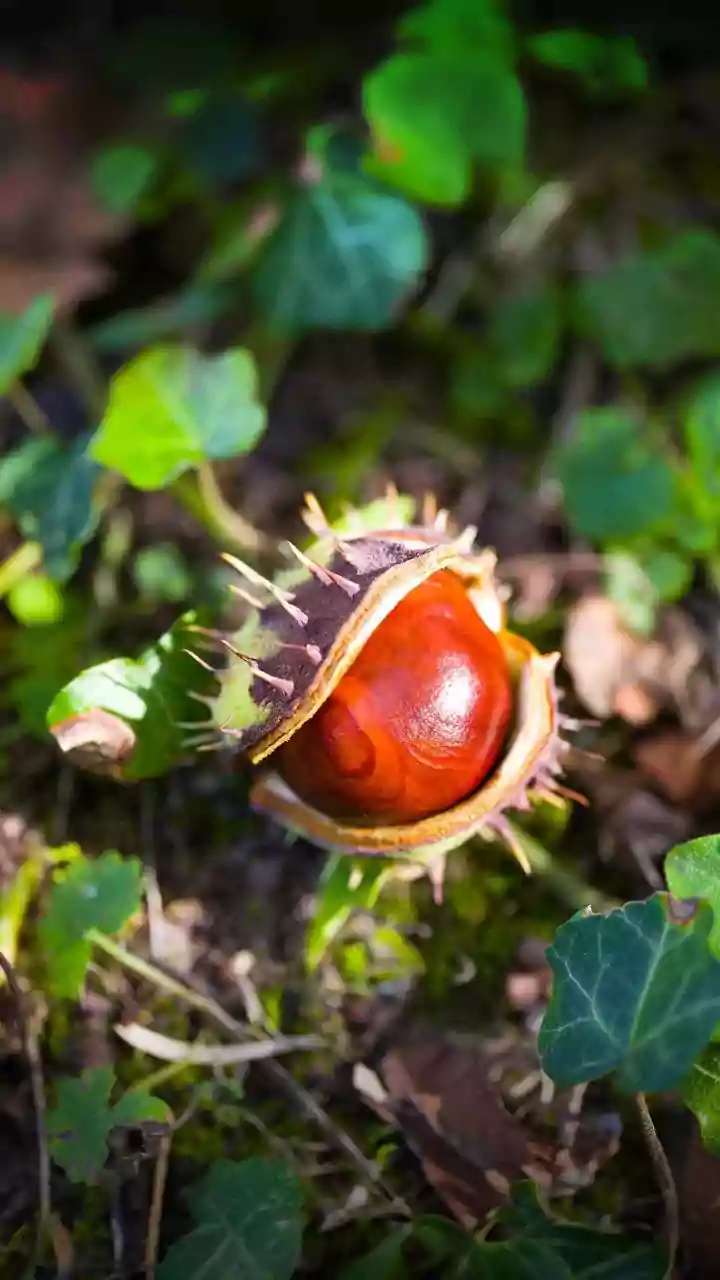
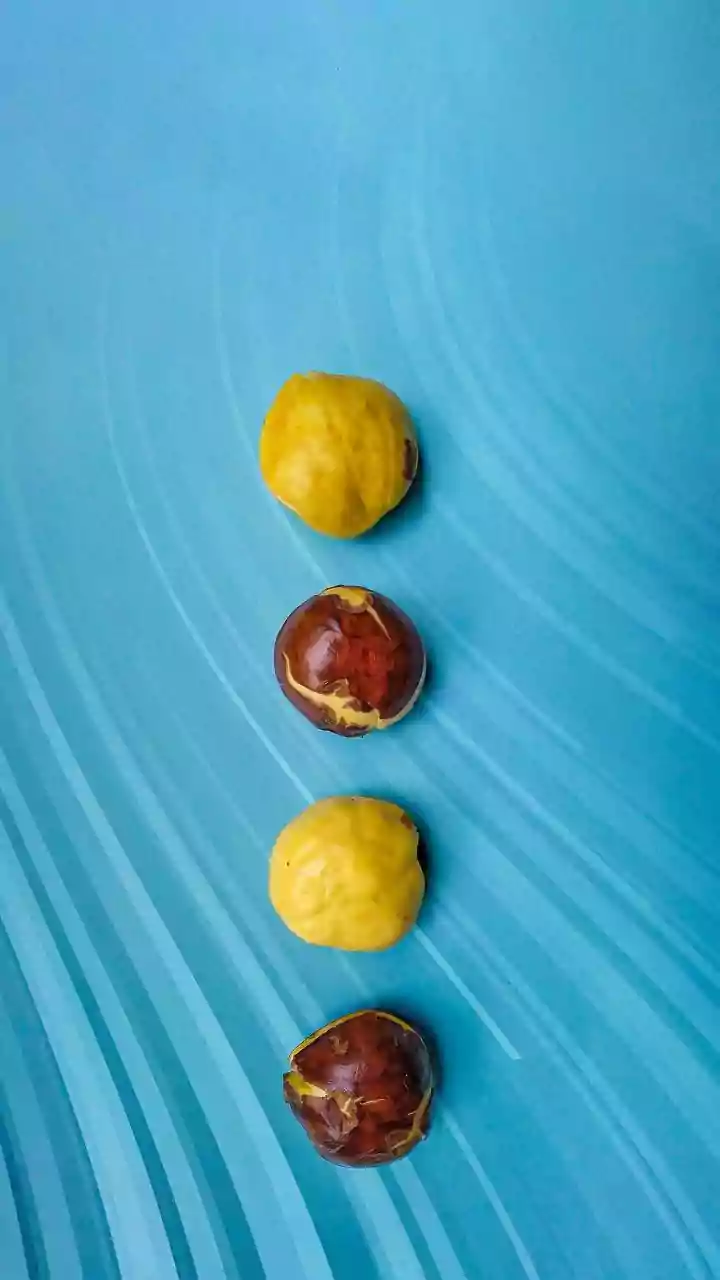
all these dishes is a perfectly roasted chestnut: sweet, tender, and easy to peel. Start by preheating your oven to around 200-220°C. While it heats, use a small, sharp knife to carefully score an 'X' on the round side of each chestnut. This is a crucial step; it allows steam to escape, preventing the chestnuts from bursting under pressure. Some cooks prefer to soak the scored chestnuts in warm water for 15-30 minutes beforehand, which can help keep them moist and make peeling easier. After soaking, pat them dry and arrange them in a single layer, cut-side up, on a baking sheet. Roast for 20-30 minutes. You'll know they're ready when the shells curl back from the 'X' and the nut inside is golden and tender. Let them cool just enough to handle, then peel away both the hard outer shell and the papery inner skin while they are still warm for the best results. Letting them steam in a clean kitchen towel for a few minutes after roasting can also make peeling simpler.
Meal 1: Creamy and Comforting Chestnut Soup
One of the most elegant uses for roasted chestnuts is a velvety soup. Its simplicity allows the nutty, earthy flavour of the chestnut to shine. To start, gently soften some chopped onion or shallots in a pot with butter. Add your peeled, roasted chestnuts along with a good quality chicken or vegetable stock and a bay leaf, and let it all simmer for about 20 minutes to allow the flavours to meld. Remove the bay leaf, then carefully blend the mixture until it's completely smooth, either with an immersion blender or in batches in a countertop blender. For an extra touch of richness, stir in a splash of heavy cream at the end. Season with salt and pepper to taste. You can serve this comforting soup garnished with a few chopped, crisped chestnut pieces for a delightful textural contrast.
Meal 2: A Hearty, Aromatic Stuffing
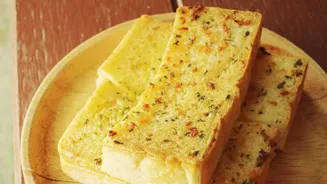
Roasted chestnuts are a classic addition to holiday stuffings, adding a wonderful sweetness and texture that pairs beautifully with savoury herbs. To make a simple version, start with toasted bread cubes in a large bowl. In a skillet, sauté chopped onions and celery until soft. Coarsely chop a generous portion of your roasted chestnuts and add them to the skillet along with fresh herbs like sage, thyme, and parsley. Cook for another minute before combining this aromatic mixture with the bread cubes. Moisten everything with chicken or vegetable stock, toss gently, and transfer to a baking dish. You can bake it covered for about 20-30 minutes, then uncovered for another 10-15 minutes until the top is golden and crusty. This stuffing isn't just for festive birds; it makes a fantastic standalone side dish for any winter meal.
Meal 3: A Sweet and Versatile Chestnut Purée
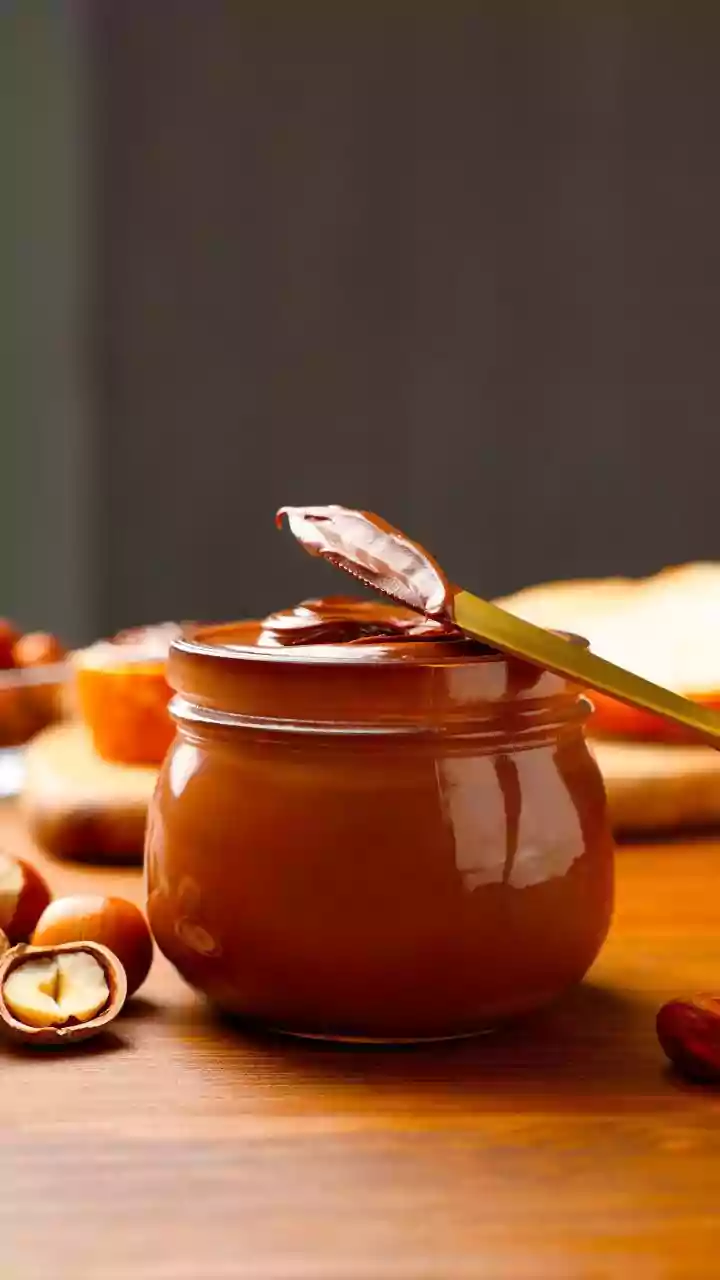
On the sweeter side, roasted chestnuts transform into a luxurious purée, also known as chestnut cream. This versatile concoction can be used as a spread for toast, a filling for pastries, or a topping for yoghurt and pancakes. To make it, combine your peeled chestnuts in a saucepan with a liquid—a mix of milk and water works well for a creamier result. Add a sweetener of your choice, like sugar or maple syrup, and a dash of vanilla. Simmer the mixture for 20-30 minutes until the chestnuts are very soft and have absorbed most of the liquid. Transfer the softened chestnuts to a food processor and blend until perfectly smooth, adding a little of the reserved cooking liquid if needed to reach a thick, spreadable consistency. This purée can be stored in the refrigerator for several days, ready to elevate breakfast or dessert at a moment's notice.
Meal 4: A Simple, Crunchy Topping or Snack
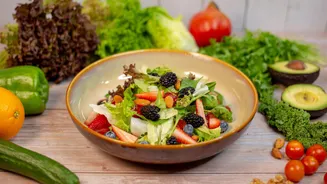
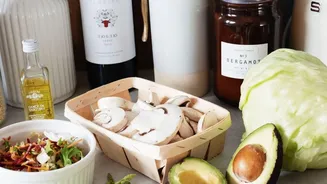
Finally, for the quickest and simplest transformation, use your remaining roasted chestnuts as a crunchy, flavourful topping. Roughly chop the chestnuts and toss them over salads, especially those with kale or bitter greens, for a nutty contrast. They can also be scattered over pasta dishes, grain bowls, or roasted vegetables to add texture and a touch of sweetness. For a simple snack, toss the warm, peeled chestnuts with a bit of melted butter, cinnamon, and a pinch of sugar or salt. This enhances their natural flavour and turns them into an addictive treat that's far more interesting than eating them plain. Whether used whole or chopped, they provide an easy way to add a special, seasonal touch to everyday meals.