







What is This 'Zone 2' Buzzword?
Imagine a workout where you aren't gasping for air. That's the essence of Zone 2 cardio. Exercise intensity is often split into five heart rate zones, with Zone 1 being a very light effort and Zone 5 being an all-out sprint. Zone 2 is the sweet spot right
in between: a steady, low-intensity pace where your heart rate is elevated to about 60-70% of its maximum. The simplest way to know if you're in Zone 2 is the 'talk test'. You should be able to hold a full conversation without struggling for breath. If you can easily sing, you're likely going too slow; if you can only get a few words out, you're pushing too hard. It’s about maintaining a “comfortably challenging” pace that you feel you could hold for a long time.
The Desk Worker's Antidote to Fatigue
The 3 p.m. slump is a familiar enemy for many office workers. While it seems counterintuitive, a low-intensity workout can be the perfect fix. High-intensity exercise can leave you feeling drained, but Zone 2 is different. It’s gentle enough that recovery is fast and it doesn't add significant stress to a body already taxed by mental work. The magic lies in how it trains your body's energy systems. At this moderate intensity, your body becomes better at using fat for fuel, which is a slow-burning, sustainable energy source. This improves your metabolic health and mitochondrial function—the tiny powerhouses in your cells—leading to more stable, all-day energy instead of crashes.
How to Find Your Zone
While the talk test is a great real-world guide, you can also use simple math to estimate your Zone 2 heart rate range. First, find your estimated maximum heart rate (MHR) with the common formula: 220 minus your age. For a 40-year-old, the MHR would be approximately 180 beats per minute (bpm). Your Zone 2 range is then 60% to 70% of that number. In this example, that would be between 108 and 126 bpm (180 x 0.60 and 180 x 0.70). Many fitness trackers and smartwatches can monitor this for you, but don't get obsessed with the numbers. Use your feeling and the talk test as your primary guides.
Getting Started Is Easier Than You Think
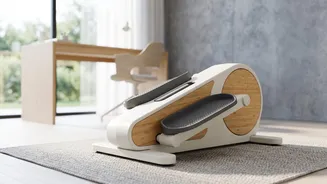
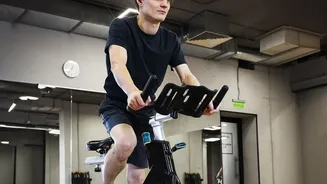
You don't need a special gym membership or complicated equipment to start Zone 2 training. The goal is consistent, rhythmic movement. Many activities you already enjoy can be adapted to fit. Consider a brisk walk where your heart rate elevates, a light jog, a steady bike ride on flat terrain, or using an elliptical or rowing machine at a controlled pace. The key is to maintain that conversational effort level. Aim for consistency over intensity. Start with two or three sessions of 30-45 minutes per week. Because Zone 2 is less taxing on the body, you'll find it's a sustainable habit that's easier to stick with, which is the real secret to long-term fitness.