



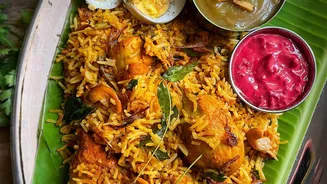


Start with a Template, Not a Rulebook
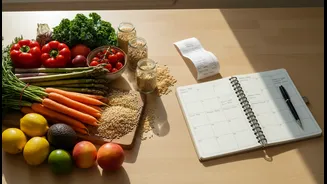
Instead of rigidly assigning a specific dish to each day, think in terms of flexible categories. This approach simplifies decisions without being confining. For example, you could structure your week with themes like 'Dal Day,' 'Sabzi and Roti Night,'
'Pulao or Khichdi Evening,' and 'Leftovers Day.' This gives you a starting point for your grocery list—you know you need a dal, some seasonal vegetables, and rice—but allows you to choose the specific recipe based on what's fresh, affordable, or appealing that week. This method reduces the mental load of deciding from scratch every day while providing enough structure to feel organised.
Shop Your Kitchen First
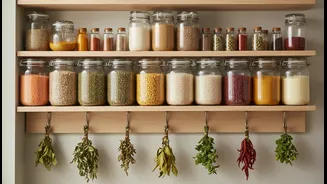
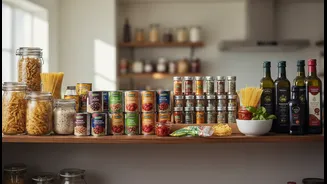
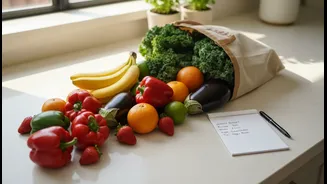
Before you even think about making a grocery list, take a quick inventory of your pantry, fridge, and freezer. This simple habit is one of the most effective ways to cut down on food waste and save money. You might find half a bag of lentils, a few forgotten vegetables, or a tin of chickpeas that can form the base of a meal. Planning your meals around what you already have prevents buying duplicates and ensures that food gets eaten before it spoils. Create an 'eat first' box or shelf in your fridge for items that are close to their expiry date, making it easy to see what needs to be used up quickly.
Master the Art of Ingredient Swapping
Flexibility is crucial when dealing with price fluctuations. Don't let a recipe dictate your shopping; let the market guide your recipe. If bottle gourd (lauki) is expensive but ridge gourd (turai) is on sale, make the swap. If tomatoes are priced high, consider using a base of curd or tamarind for your curries. This mindset extends to proteins and grains as well. Different types of dals, legumes, or even cuts of meat can often be used interchangeably in many Indian dishes. Buying seasonal produce is another smart strategy, as it's typically more abundant and therefore cheaper.
Build a 'Busy Day' Backup Plan
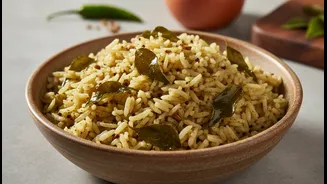
Life gets hectic, and some days, you just won't have the energy for a complicated meal. Acknowledging this is key to a successful meal plan. Always have the ingredients for two or three 'emergency' meals that can be made in under 30 minutes. These are your lifesavers on chaotic weeknights. Think of quick options like a simple dal tadka with rice, egg bhurji with roti or bread, or a speedy vegetable pulao. Using pre-chopped vegetables, canned beans, or frozen items can significantly cut down on prep time for these quick meals. Having this backup prevents you from resorting to expensive and often less healthy takeaways.
Embrace Batch Prepping Components
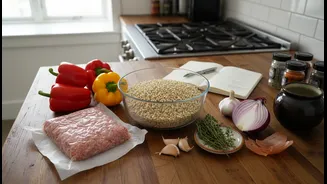
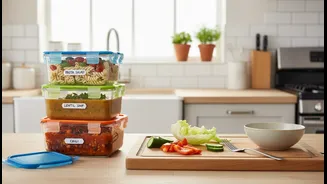
You don't need to cook entire meals for the week on a Sunday. Instead, focus on 'component prepping'. This means preparing individual ingredients in bulk that can be used for various dishes. For example, you can boil a large batch of potatoes, soak and cook chickpeas or rajma, make a basic onion-tomato masala, or chop vegetables for the next couple of days. Having these components ready to go makes assembling a fresh meal much faster. You could use the boiled potatoes for a quick aloo sabzi one night and in a sandwich the next day. This approach offers flexibility while still saving significant time during the week.
Plan for Leftovers Deliberately
Leftovers shouldn't be an accident; they should be part of the plan. When cooking dinner, intentionally make a larger portion so you have a ready-made lunch for the next day. You can also schedule a specific 'leftover night' each week, where the goal is to creatively combine and finish whatever is remaining in the fridge. This could be a 'catch-all' fried rice, a mixed sabzi, or a frankie using leftover rotis and fillings. Planning to use leftovers ensures food doesn't get pushed to the back of the fridge and forgotten, which is a common source of household food waste.