





Understanding Your Fridge's Climate
Not all areas inside your refrigerator are created equal. Cold air sinks, making the bottom shelves the coldest part of the fridge, while the door, which is frequently opened, is the warmest. Understanding these temperature zones is the first step to smarter
storage. For optimal safety, your fridge should be set at or below 4°C (40°F) to slow the growth of harmful bacteria. Bacteria that cause foodborne illness multiply rapidly in the "Danger Zone" between 4°C and 60°C. A simple appliance thermometer can help you ensure your fridge is maintaining a safe temperature.
The Top Shelves: For Ready-to-Eat Foods
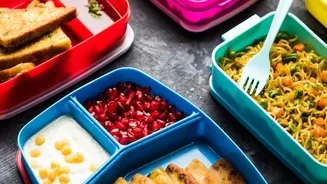
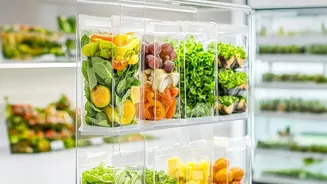
The upper shelves have the most consistent temperatures. This makes them the ideal spot for foods that are ready to eat and don't need to be cooked. Think leftovers, drinks, deli meats, and prepared foods like hummus or dahi. Storing these items here keeps them visible and away from raw foods, preventing contamination. To make life easier, use clear, airtight containers for leftovers and label them with the date. Most leftovers should be consumed within three to four days.
The Lower Shelves: The Coldest Zone for Raw Goods
The bottom shelf is the coldest and most critical area of your fridge. This is where you should store raw meat, poultry, and fish. The golden rule is to place these items on the lowest shelf to prevent their juices from dripping onto and contaminating other foods. Always keep raw meats in sealed containers or on a lipped plate as an extra precaution. Due to its cold and stable temperature, the back of a lower shelf is also the best place for milk, keeping it fresher for longer than if stored in the door.
The Crisper Drawers: Managing Humidity for Produce
Those drawers at the bottom of your fridge aren't just for general storage; they're designed to maintain specific humidity levels to keep produce fresh. Many fridges have adjustable crisper settings. A good rule of thumb is to use one drawer for fruits and the other for vegetables. Vegetables that are prone to wilting, like leafy greens, spinach, and herbs, benefit from a high-humidity environment. Fruits that emit ethylene gas and ripen faster, such as apples, pears, and avocados, should be kept in a low-humidity drawer to prevent premature spoilage.
The Door: Safest for Condiments Only
As the warmest part of the refrigerator, the door is subject to the most temperature fluctuation. This makes it a poor choice for perishable items like eggs or milk, which need consistent cold. Instead, reserve the door for foods that have natural preservatives and can handle temperature changes. This includes condiments like ketchup, mustard, salad dressings, pickles, and jams. Pasteurized juices and sodas are also fine to store here.
Essential Fridge Habits to Adopt
Beyond proper placement, a few key habits can elevate your food safety game. First, avoid overcrowding the fridge. Cold air needs toCirculate freely to keep everything cool. Clean up spills immediately to prevent the spread of bacteria. When you bring home groceries, practice the 'First In, First Out' (FIFO) method: move older items to the front so you use them first, reducing waste. Finally, always cool hot leftovers on the counter for a bit before placing them in the fridge; putting hot food directly inside can raise the internal temperature and put other foods at risk.