







Why Humidity Wreaks Havoc on Hair
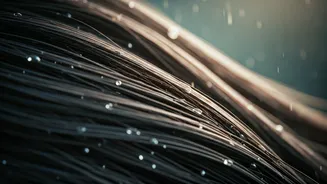
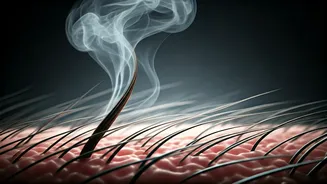
Our hair has a complex relationship with water. Each strand is made of keratin proteins held together by chemical bonds, including weaker hydrogen bonds. When the air is humid, your hair absorbs the excess moisture. This process disrupts the hydrogen bonds, causing
the hair shaft to swell up. Think of it like a dry sponge being placed in water. This swelling makes the hair cuticle—the protective outer layer—lift and become more porous. A porous, swollen hair strand is structurally weaker, more elastic, and significantly more prone to breakage from simple acts like brushing, tying, or even sleeping.
It’s All About the Scalp Environment
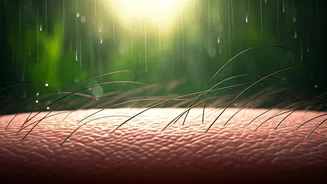
While the hair strands are weakened, the real trouble often starts at the root. High humidity creates the perfect warm, damp environment for microorganisms to thrive on your scalp. This leads to a host of problems. Firstly, it encourages the overgrowth of the Malassezia globosa fungus, a common cause of dandruff. An itchy, flaky scalp is an inflamed scalp, and inflammation around the hair follicles can disrupt the hair growth cycle and lead to shedding. Secondly, humidity can increase sebum (oil) production, leading to greasy hair and clogged follicles. This sticky environment traps dirt and pollutants, further aggravating the scalp and weakening the hair roots.
Adapt Your Washing Routine
Fighting back against humidity-induced hair fall requires a strategic shift in your hair care. Start by washing your hair a bit more frequently—perhaps every other day—to prevent scalp build-up of oil and sweat. Use a gentle, sulphate-free shampoo that cleanses without stripping natural oils. Once a week, incorporate a clarifying shampoo to deep-cleanse your scalp and remove any stubborn residue from products, oil, or pollutants. When conditioning, focus only on the mid-lengths and ends. Applying conditioner to the scalp can weigh down your hair and contribute to greasiness. A final rinse with cool water can help seal the hair cuticle, reducing frizz and adding shine.
Protect Your Strands from Breakage
Since humid hair is fragile, handling it with care is crucial. Avoid brushing your hair when it's soaking wet, as this is when it's at its weakest. Instead, use a wide-tooth comb to gently detangle after applying conditioner in the shower or after patting it semi-dry with a microfibre towel. Let your hair air-dry as much as possible, and if you must use a blow-dryer, use it on a cool setting. Furthermore, avoid tight hairstyles like high ponytails or tight braids that pull on the already weakened hair roots. Opt for loose, comfortable styles that don't cause tension on the scalp.
Nourish From the Inside Out
Topical care is essential, but strengthening your hair from within provides a strong foundation. Ensure your diet is rich in hair-friendly nutrients. Protein is the building block of hair, so include adequate amounts of lentils, eggs, dairy, and lean meats. Iron is critical for delivering oxygen to hair follicles; find it in spinach, beetroot, and dals. Biotin (Vitamin B7) and Zinc also play vital roles in hair health and can be found in nuts, seeds, and whole grains. Staying hydrated by drinking plenty of water is also key for overall health, which is reflected in the condition of your hair and scalp.