








The Compelling Math of Going Electric
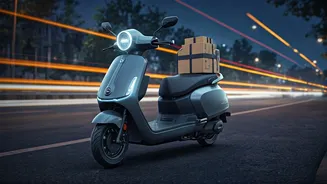
The single biggest driver behind this transition is simple economics. For a delivery rider covering 40 to 100 kilometres daily, fuel is the largest operating expense. Switching to an electric scooter can slash this cost by as much as 90%. While a petrol
scooter costs roughly ₹2-3 per kilometre to run, an electric equivalent can operate for as little as ₹0.25-₹0.50 per kilometre. For a rider, this translates into annual savings that can range from ₹52,000 to over ₹70,000 from fuel alone. Beyond fuel, EVs also have fewer moving parts—no engine oil, clutch, or exhaust systems to service—which results in significantly lower maintenance costs. Though the initial purchase price of an EV can be higher, government incentives under programs like FAME (Faster Adoption and Manufacturing of Electric Vehicles) help bridge the gap. For high-mileage commercial users, the lower total cost of ownership (TCO) makes the switch a financially sound decision, with the vehicle often paying for itself within two to three years.
Corporate Giants and Policy Push
This isn't just a grassroots movement. India's largest e-commerce and food delivery players are aggressively electrifying their fleets. Companies like Flipkart, Amazon, Zomato, and Swiggy have all set ambitious targets to transition to 100% electric deliveries by 2030. Flipkart has already deployed thousands of EVs, with around half of its grocery deliveries now happening on electric vehicles. Zomato has also pledged a full transition by 2030 and is actively working to grow its EV fleet. This corporate push is bolstered by government policy. The FAME scheme, now entering its third phase (FAME-III) with an expected outlay of around ₹10,000 crore, provides subsidies to make EVs more affordable, particularly for two-wheelers, three-wheelers, and public transport buses. This combination of corporate sustainability goals and government support is creating a powerful tailwind for EV adoption in the last-mile sector.
Roadblocks on the Electric Highway
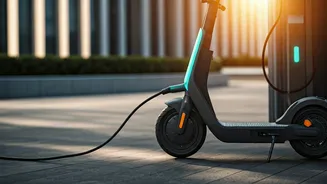
Despite the clear benefits, the path to full electrification is not without its challenges. For individual riders, the higher upfront cost of EVs remains a significant barrier, along with difficulties in securing financing due to a lack of formal credit history. On the operational front, 'range anxiety'—the fear of a battery running out mid-shift—is a major concern. This is compounded by a still-developing public charging infrastructure, with riders often citing difficulty in finding charging spots. The time it takes to charge a vehicle (several hours for a full charge) translates directly into lost income for a delivery partner. Issues around battery safety, the reliability of some low-cost vehicle models, and an underdeveloped secondary market for used EVs also present hurdles.
Battery Swapping: A Game-Changing Solution
To combat the critical issue of charging downtime, battery swapping is emerging as a revolutionary solution. Instead of plugging in and waiting, a rider can visit a swapping station and exchange a depleted battery for a fully charged one in just a couple of minutes. This model turns charging downtime into near-zero, keeping vehicles on the road and maximising earning potential for riders. Furthermore, the 'Battery-as-a-Service' (BaaS) model allows riders to purchase the vehicle without the battery—which can account for 30-40% of the total cost—and pay a subscription fee for battery usage instead. This significantly lowers the upfront capital required, making EVs more accessible. Companies are investing heavily in building out these swapping networks, viewing them as a key enabler for last-mile logistics.