







A New Urban Appetite for Wellness
The demand for healthy food is no longer a niche market. Across urban India, a profound shift in consumer behaviour is reshaping the quick-service restaurant (QSR) landscape. Driven by a growing awareness of lifestyle diseases and a desire for overall
well-being, consumers are making more intentional choices. Recent reports show a massive surge in this trend, with a significant majority of Indians now actively seeking healthier food options and prioritising ingredients like protein. This isn't just about avoiding junk food; it's about actively seeking functional benefits, from energy-boosting snacks to meals that support long-term health. People are reading labels, questioning ingredients, and demanding transparency from brands. This has forced the fast-food industry, long associated with indulgence, to innovate and cater to a new generation of health-conscious city dwellers who want their food fast, fresh, and fundamentally good for them.
Beyond Salads: What ‘Healthy Fast Food’ Means Now
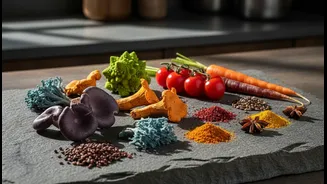
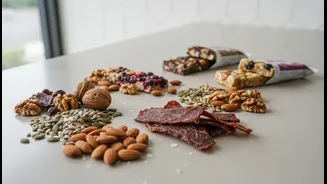
Forget the sad, limp salads of yesterday. Today’s healthy fast food is vibrant, innovative, and deeply rooted in Indian culinary wisdom. The modern healthy menu is all about nutrient-dense ingredients. Millets like ragi, jowar, and bajra are making a major comeback, moving from traditional kitchens to trendy cafe menus in the form of dosas, upmas, and even risottos. Major brands and new startups are launching millet-based crackers, cookies, and ready-to-eat mixes that offer a familiar crunch with a lighter, healthier feel. Plant-based proteins are another cornerstone of this revolution. From mock-meat burgers and samosas to wraps filled with tofu and legumes, vegan options are becoming mainstream, offered by both homegrown chains and international players. The focus has also shifted to cooking methods, with 'baked, not fried' becoming a popular mantra, and a preference for natural sweeteners like jaggery and dates over refined sugar.
The Pioneers of Quick and Healthy
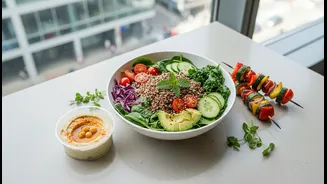
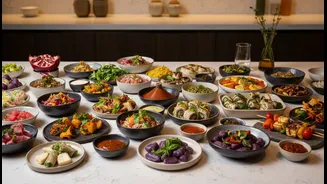
This food revolution is being led by a mix of forward-thinking legacy brands and agile new startups. In cities like Mumbai, Delhi, and Bengaluru, a new wave of cafes and delivery kitchens are built entirely around the concept of clean eating. Chains like Subway have long championed fresh vegetables, but newer players are taking it further. Brands like NutrioBox in Delhi focus on organic ingredients for gym-goers and families alike, while Greenr Cafe offers a plant-forward, millet-based menu. In Mumbai and Bangalore, Flax focuses on whole foods, serving up fresh salads, super bowls, and wraps. Even regional favourites are getting a healthy makeover. Restaurants in Chennai are creating everything from millet pizzas to brownies, while cafes in Pune and Goa are incorporating local grains and produce into inventive dishes like millet tacos and haleem. This growing ecosystem ensures that no matter where you are, a healthier quick meal is likely just an app-tap away.
A Word of Caution: Navigating 'Health-Washing'
As healthy options boom, so does the risk of “health-washing”—the marketing practice of making a product seem healthier than it actually is. Terms like ‘natural,’ ‘organic,’ or ‘low-fat’ can be misleading if not backed by evidence. A millet-based cookie is still a cookie, and a baked snack can still be high in sodium and hidden sugars. Regulatory bodies like the FSSAI are cracking down on unsubstantiated health claims and pushing for clearer front-of-pack labelling to help consumers make informed choices. As a smart consumer, it’s crucial to look beyond the marketing buzzwords. Pay attention to the full ingredient list, check the nutritional information for calorie, sugar, and sodium content, and be wary of claims that seem too good to be true. True healthy eating is about understanding what’s in your food, not just falling for a clever label.