



Jharkhand's Underground Secret
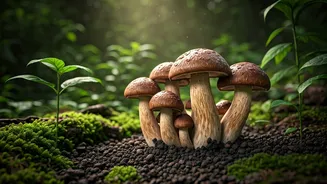
At first glance, Rugda could be mistaken for a small, soil-dusted potato or a strange, lumpy stone. Found in bustling local markets across Jharkhand during the monsoon months, it is neither. Rugda (or Putu, as it's also known) is a species of edible mushroom
that grows completely underground, primarily in the shade of the region’s mighty Sal trees. Resembling a truffle in its growth habit but entirely unique in its identity, this fungus is a cornerstone of Adivasi cuisine. Unlike common mushrooms that sprout on decaying wood or soil surfaces, Rugda develops in a symbiotic relationship with tree roots, absorbing nutrients and developing its distinct, earthy flavour deep within the damp soil.
The Monsoon Treasure Hunt
The arrival of Rugda is inextricably linked to the monsoon. As the parched summer land soaks up the first showers, local tribal communities, particularly women, venture into the forests for the annual harvest. Finding Rugda is an art form, a skill passed down through generations. There are no visible signs on the surface. Foragers rely on an intimate knowledge of the forest floor, identifying subtle cracks in the soil or slight mounds near the base of Sal trees that indicate the presence of these subterranean fungi. Armed with small spades or simply their hands, they carefully excavate the delicate globes. This laborious process, combined with its short season (typically June to August), makes Rugda a rare and prized commodity.
From Forest to Plate
Once harvested, Rugda makes its way to local markets, where it commands a high price, often ranging from ₹300 to ₹500 per kilogram, sometimes even more. Its meaty texture and unique ability to absorb spices have earned it the affectionate nickname 'vegetarian's mutton.' Its short shelf life means it's best consumed fresh, making it a hyper-local delicacy rarely found outside the state. The most common preparation is a rich, spicy curry. The mushrooms are first thoroughly cleaned to remove all traces of soil. They are then sautéed with onions, garlic, ginger, tomatoes, and a blend of traditional spices. The final dish is a hearty, flavourful curry with a chewy, almost cartilaginous bite from the Rugda, typically enjoyed with rice or rotis. Each family has its own recipe, but the goal is always to celebrate the mushroom's inherent earthy taste.
More Than Just a Meal
For the communities of Jharkhand, Rugda is more than just food. It represents a deep connection to the land and its cycles. It is a symbol of the biodiversity of their forests and a vital part of the local economy during the monsoon, providing a significant source of income for many families. Nutritionally, it is believed to be a good source of protein and minerals, offering a valuable dietary supplement. Its appearance marks a time of abundance and celebration after the lean, hot summer months. The entire process, from foraging to cooking, is steeped in cultural tradition and communal activity, reinforcing social bonds and a shared identity rooted in the forest.
A Future in the Spotlight
In recent years, there has been a growing national interest in indigenous foods, sustainable foraging, and regional culinary treasures. This trend has brought ingredients like Rugda into the spotlight beyond Jharkhand's borders. Food enthusiasts and chefs are increasingly curious about such unique produce, seeing it as a way to explore India's vast and diverse gastronomic landscape. However, this newfound focus comes with challenges. The threat of over-harvesting is real, and it is crucial that any commercialisation benefits the indigenous communities who are the traditional custodians of this knowledge. Preserving the delicate forest ecosystem where Rugda thrives is paramount to ensuring its survival for future generations.