
The Microbial Symphony: Wild vs. Tamed
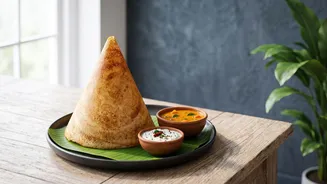
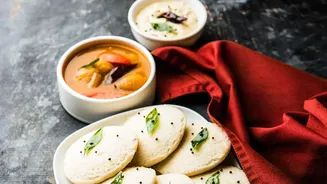
The single biggest difference lies in the microbes themselves. Most of India’s traditional fermented foods, like the batter for idli and dosa, rely on 'wild' or 'spontaneous' fermentation. This means they harness the vast universe of bacteria and yeasts
already present on the grains, in the air, and in the kitchen environment. The process is a testament to nature's intelligence; microbes on the surface of urad dal, for example, are often sufficient to kick-start the entire process. Imported products like commercial yogurts, kefirs, or kombuchas often use 'starter cultures'. These are lab-grown, specific strains of microbes added to a substance to create a predictable, consistent result every time. While effective, this is like hiring a trained choir, whereas an Indian household's dosa batter is a spontaneous, regional folk performance—unpredictable, complex, and unique to its environment.
An Expression of Terroir and Tradition
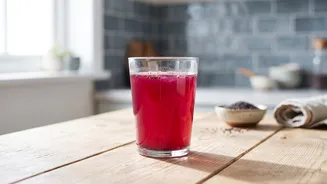
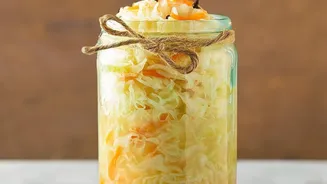
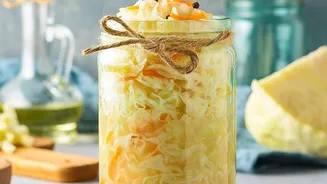
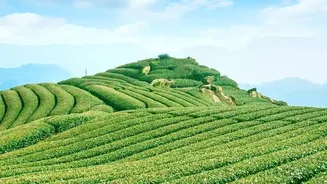
Indian fermented foods are a direct reflection of their local geography. They use indigenous grains, vegetables, and spices adapted to the specific climate. Think of pakhala bhata (fermented rice) in Odisha's heat, gundruk (fermented leafy greens) in Sikkim, or kanji made from black carrots in North India during winter. This diversity is staggering, with over 200 documented traditional fermented foods across the country. In contrast, many imported fermented products are built for global scalability. While kimchi and sauerkraut have deep regional roots, the versions that reach us commercially often use standardized ingredients and processes to ensure the flavour is identical whether it's sold in Delhi or New York. Our ferments, meanwhile, taste of a specific place and season.
Process: The Art of Patience and Climate
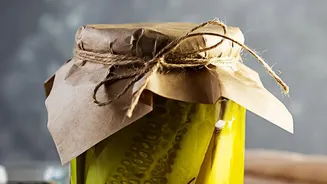
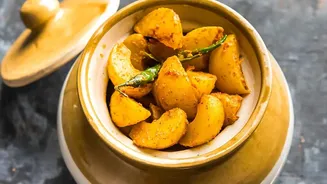
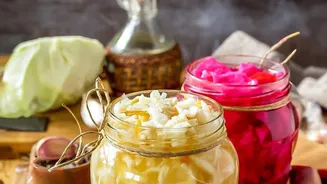
The process itself is a study in contrasts. Indian fermentation is often a household art, a small-batch tradition passed down through generations. It relies on ambient temperature and the 'backslopping' technique—using a small portion of a previous batch to start the next one, creating a continuous, living culture. This results in a microbial consortium, an 'ancient library' of dozens of bacterial strains working in harmony. Industrial fermentation, on the other hand, prioritizes efficiency and safety at scale. Temperatures are strictly controlled, and pasteurization is often used to extend shelf life, which can kill the live microbes that provide probiotic benefits. Many traditional Indian pickles, for instance, use oil and salt for preservation through a slow fermentation, unlike Western pickles that often use vinegar for quick acidification.
A Different World of Flavour
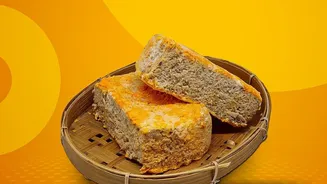
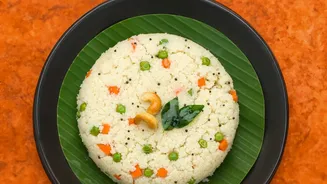
These differences in microbes and methods create vastly different flavour profiles. The complex community of wild yeasts and bacteria in dosa batter produces a tangy, nuanced sourness that single-strain cultures cannot replicate. The fermentation makes grains and lentils easier to digest and enhances their nutritional value by increasing B vitamins and making proteins more accessible. Imported ferments often have a more singular flavour note—the sharp tang of sauerkraut, the sweet-and-sour fizz of kombucha, or the spicy umami of kimchi. Indian ferments, from the savoury dhokla to the sour ambali, offer a spectrum of complex flavours that are deeply woven into the fabric of our meals, acting not just as a side dish but often as the main event.
Health from a Diverse Gut Perspective
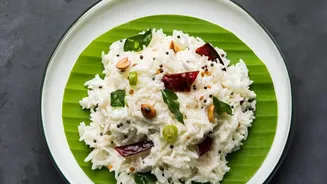
All fermented foods can be beneficial for gut health by introducing probiotics. However, the sheer diversity of microbes in India's regional foods offers a unique advantage. Consuming a variety of these foods—from dahi to idli to fermented bamboo shoots—introduces a wider spectrum of beneficial bacteria to the gut, which can foster a more resilient internal ecosystem. While kimchi is celebrated for its probiotic diversity, Indian ferments offer a different kind of biodiversity rooted in our own grains and vegetables. They improve digestibility, reduce anti-nutrients in legumes, and can even help in creating foods with a lower glycemic index.