
The Unseen Dangers in the Bowl
Even a bowl that looks clean to the naked eye can be a breeding ground for invisible threats. When your pet eats, they leave behind saliva and tiny food particles. In a moist environment, this residue can lead to the formation of a slimy, invisible layer
called biofilm. This biofilm acts like a protective shield for harmful bacteria, allowing colonies of germs like Salmonella, E. coli, and Listeria to thrive. Studies have found that pet bowls are one of the most contaminated items in a household, sometimes ranking as the fourth germiest spot. This contamination poses a direct risk to your pet, potentially causing gastrointestinal issues like vomiting and diarrhoea.
A Risk for the Whole Family
The bacteria in a dirty pet bowl don't always stay contained. Handling a contaminated bowl and then touching other surfaces can spread germs throughout your home. This creates a risk of cross-contamination, which is especially concerning for households with young children, elderly individuals, or people with compromised immune systems. Pathogens like Salmonella and even MRSA have been found in pet bowls, and these can cause illness in humans who come into contact with them. Therefore, maintaining a clean feeding station is not just about pet health; it's an important step in protecting the health of every member of your household.
The Ideal Washing Protocol
To effectively eliminate these risks, a simple rinse is not enough. The U.S. Food and Drug Administration (FDA) recommends washing pet food bowls with soap and hot water after every single use. This is the same standard we apply to our own dishes. Using hot water and dish soap helps to break down the greasy biofilm and food residue. It's also wise to use a dedicated sponge or brush for your pet's bowls to prevent the transfer of bacteria to your own dishes. For an even deeper clean, many stainless steel and ceramic bowls are dishwasher-safe; the high temperatures of a dishwasher cycle are excellent for sanitizing.
Why Rinsing and Drying Matter
After washing, a thorough rinse is essential to remove any lingering soap residue, which could be unpalatable or upset your pet's stomach. But the final step—complete drying—is perhaps the most overlooked and one of the most important. Bacteria thrive in moisture. Leaving a bowl wet, even after washing, creates the perfect environment for any remaining germs to multiply and for new airborne bacteria to settle and grow. You can either air-dry the bowl completely on a clean rack or wipe it dry with a clean towel before its next use. This final step ensures the bowl remains an inhospitable surface for bacteria until the next mealtime.
Choosing the Right Tools
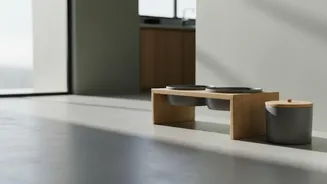
The material of your pet's bowl can also play a role in hygiene. Many experts recommend stainless steel bowls because they are non-porous, durable, and resistant to scratches where bacteria can hide. Glass and ceramic are also good options, as long as they are free of cracks and have a food-safe glaze. Plastic bowls are often the most difficult to keep clean, as they tend to develop tiny scratches and grooves over time that can harbor germs. Beyond the bowl itself, remember to follow FDA guidelines by not using the food bowl as a scoop; use a separate, clean utensil to serve food. Also, regularly clean the area around the bowls, such as feeding mats, to maintain a truly clean dining space for your pet.