








Rethinking the Midday Break
For years, the standard desk reset has been a cup of coffee, a quick chat in the pantry, or a five-minute dive into social media. While these offer a momentary distraction, they often fail to truly recharge us. Caffeine can lead to a crash, and endless
scrolling can leave us feeling more drained and less focused than before. The modern workplace, whether at home or in an office in a bustling Indian city, is defined by long hours of sitting. This sedentary lifestyle is linked to a host of health issues, from back pain and poor posture to more serious risks like heart disease and diabetes. It’s clear that our old habits aren't just ineffective; they might be actively working against us. It is time for a simple, yet revolutionary, alternative: the short walk.
The Science of Stepping Away
The idea that walking is good for you is nothing new, but the science behind short, frequent walking breaks is compelling. Recent research, including a notable study from the British Journal of Sports Medicine, has pinpointed a five-minute walk every hour as the 'sweet spot' for improving mood and reducing fatigue without disrupting workflow. These small bursts of activity, sometimes called 'movement snacks', have a significant impact. They increase blood flow to the brain, which enhances cognitive function and helps you stay alert. Physically, these walks counteract the negative effects of prolonged sitting by improving circulation, reducing muscle stiffness, and even helping to regulate blood sugar levels. One study found that short, regular walks can reduce blood sugar spikes after eating by as much as 60%, a benefit comparable to some diabetic medications.
More Than Just Physical
The benefits of a quick stroll extend far beyond the physical. Many people report having their best ideas while walking, and there’s a reason for that. Research from Stanford University found that walking can increase creative output by an average of 60%. The act of walking boosts 'divergent thinking', which is the ability to brainstorm and explore many possible solutions to a problem. This makes a short walk the perfect tool for breaking through a mental block or finding a new perspective on a challenging task. Furthermore, movement is a powerful mood-booster. It prompts the brain to release endorphins, the body's natural feel-good chemicals, which can reduce stress and anxiety, leaving you feeling more emotionally balanced and ready to tackle the rest of your day.
Making the Micro-Walk Work for You
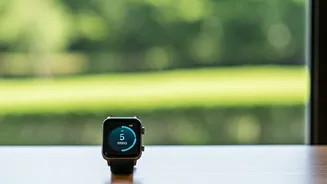
Incorporating this habit into your day is easier than you think, even with a packed schedule. The key is to make it a non-negotiable part of your routine. Set a recurring alarm on your phone or calendar for once an hour. When it goes off, stand up and walk for five minutes. You don't need to go far. A lap around the office, a walk to the water cooler and back, or even pacing in a quiet corridor will suffice. If you work from home, a quick stroll around your building or even just walking around your living room works. Another great strategy is to take your phone calls on the move. Pacing during a call is a simple way to get your steps in without taking a separate break. You could also try 'walking meetings' with colleagues for brainstorming sessions; the change of scenery and physical activity can foster more open and creative conversations.
Overcoming the Culture of 'Busy'
In many work environments, being constantly at your desk is seen as a sign of productivity. The idea of taking regular breaks might feel counterintuitive or even unprofessional. Some may worry about what managers or colleagues think. It's important to reframe this thinking. These short breaks are not a form of slacking; they are a scientifically-backed strategy to improve focus, efficiency, and overall well-being. Studies have shown that these breaks do not negatively impact performance and, in fact, lead to more sustained productivity throughout the day. If you feel hesitant, start small. You don’t need to announce your new habit. Just get up and do it. Over time, you might find that your renewed energy and focus speak for themselves. You may even inspire your colleagues to join you, helping to foster a healthier and more productive workplace culture.