



A Small Satellite on a Big Mission
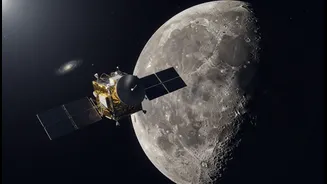
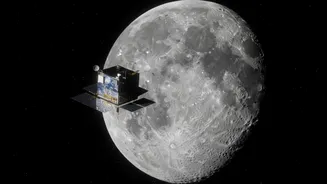
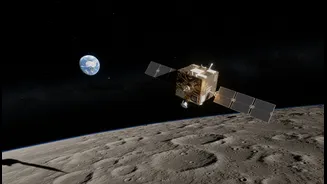
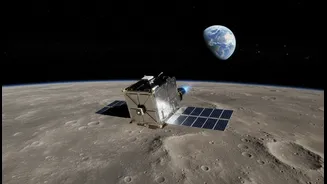
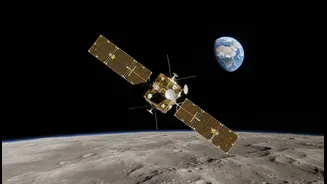
Meet CAPSTONE, a spacecraft roughly the size of a microwave oven with a mission far bigger than its frame. Short for Cislunar Autonomous Positioning System Technology Operations and Navigation Experiment, CAPSTONE launched in June 2022 as the first U.S.
commercial mission to the Moon. Owned and operated by Colorado-based company Advanced Space for NASA, this small but mighty CubeSat was designed as a pathfinder. Its main job was to test technologies crucial for NASA's Artemis program, which aims to establish a sustained human presence on and around the Moon. After completing its primary objectives, the mission was extended, turning the spacecraft into a flexible and cost-effective testbed for even more advanced systems.
Charting a Unique Lunar Orbit
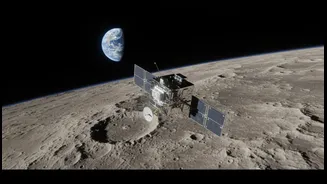
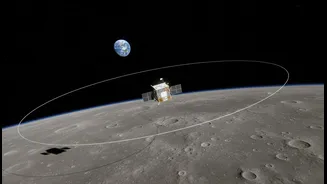
One of CAPSTONE's first major achievements was becoming the first spacecraft to successfully enter and operate in a unique lunar path called a Near Rectilinear Halo Orbit (NRHO). This highly elliptical orbit is located at a precise balance point between the gravities of the Earth and the Moon. The unique dynamics of this orbit offer stability for long-term missions while requiring minimal fuel to maintain, making it the chosen orbit for Gateway, the planned lunar space station that will be a cornerstone of the Artemis missions. By flying in this orbit for months, CAPSTONE validated NASA's models, reducing risk and providing vital operational data for all future spacecraft heading to that region.
The 'GPS for the Moon' Breakthrough
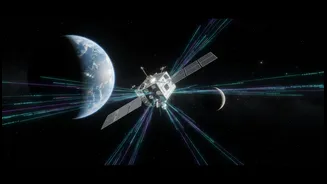
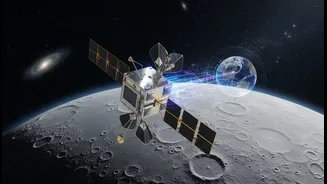
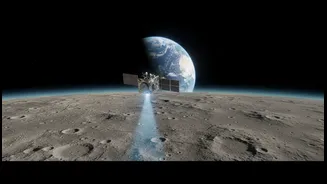
The mission's most significant achievement is the successful test of an autonomous navigation system, a capability often likened to creating a GPS for the Moon. The system, called the Cislunar Autonomous Positioning System (CAPS), is designed to allow spacecraft to determine their own position in space without constantly relying on tracking data from the Deep Space Network on Earth. This reduces the immense cost and logistical strain on ground-based antennas and allows for more missions to operate in deep space simultaneously. The key test involved CAPSTONE communicating directly with NASA's Lunar Reconnaissance Orbiter (LRO), a long-serving satellite already orbiting the Moon. By sending a signal to LRO and analyzing the return signal, CAPSTONE's software was able to calculate its own position and trajectory, proving the concept of peer-to-peer navigation in deep space.
How Autonomous Navigation Changes Everything
The success of these autonomous tests is a game-changer. Currently, spacecraft are almost entirely dependent on mission controllers on Earth for navigation commands. This process involves long communication delays and limits a spacecraft's ability to react quickly to its environment. The autoNGC (autonomous Navigation, Guidance, and Control) software tested on CAPSTONE allows the spacecraft's computer to determine where it is, where it needs to go, and how to get there on its own. This not only improves efficiency but also builds resilience. Future missions, from robotic landers to crewed vehicles, can operate more independently, making complex maneuvers and navigating challenging terrain without waiting for instructions from a planet hundreds of thousands of miles away.
Paving the Way for Lunar Bases
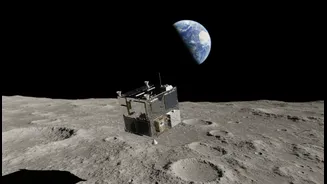
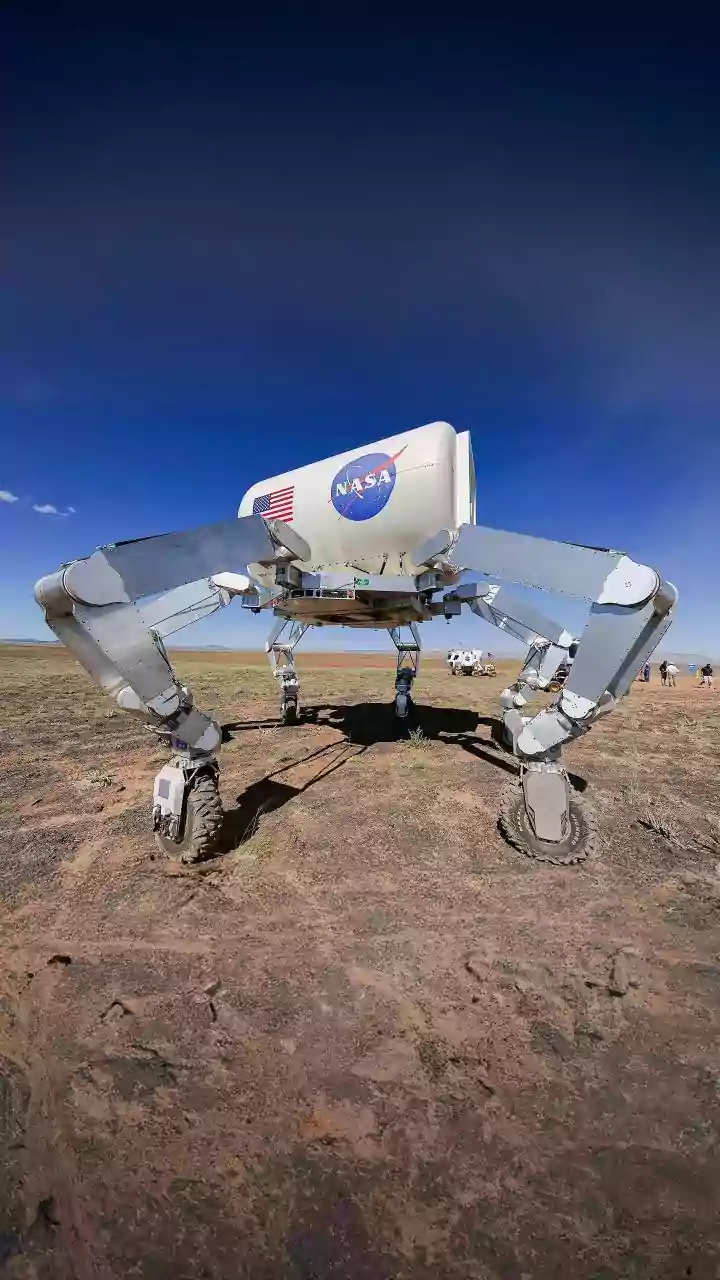
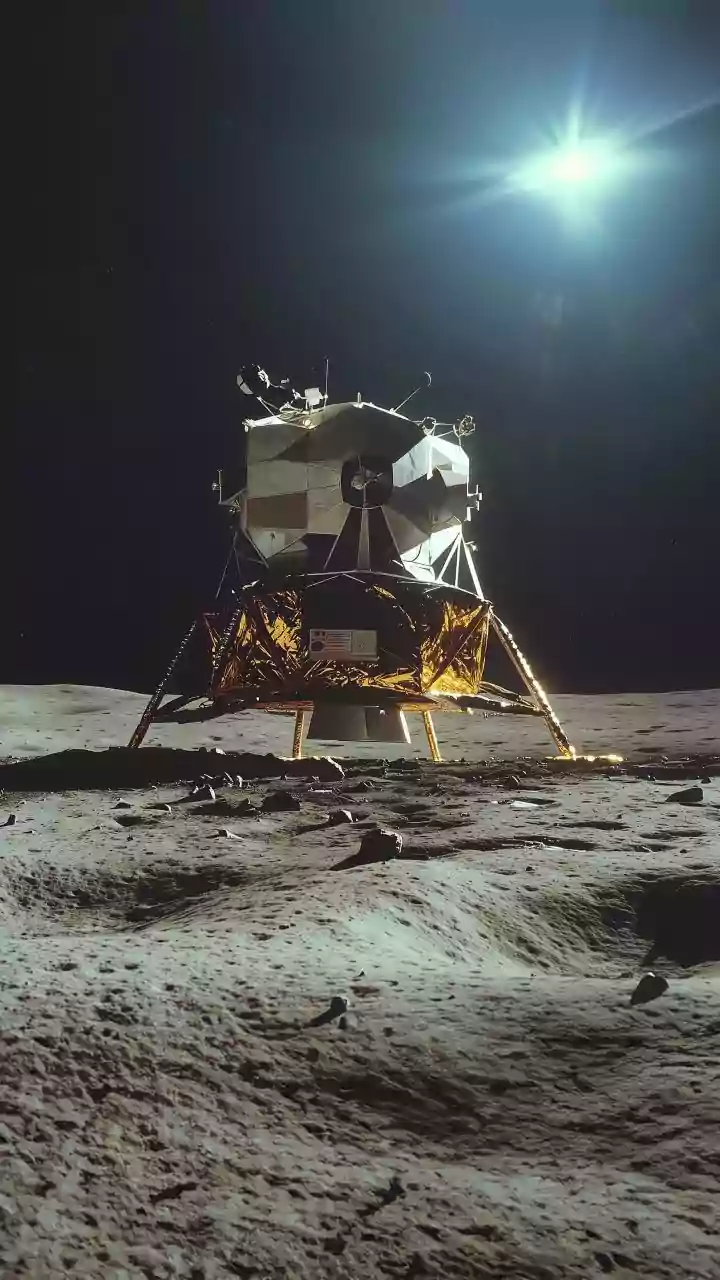
This technology is a foundational block for building a sustainable human presence on the Moon. The Artemis program envisions not just short visits, but a long-term lunar outpost and surface habitats. To manage the complex dance of multiple spacecraft—landers, orbiters, rovers, and the Gateway station—an autonomous navigation network is essential. CAPSTONE's success proves that this vision is achievable. The validated navigation and communication technologies will allow future missions to operate with greater safety, efficiency, and independence. As activity around the Moon increases, this capability will be as critical to lunar explorers as GPS is to us on Earth, guiding them to their destinations and ensuring the entire lunar infrastructure works together seamlessly.