
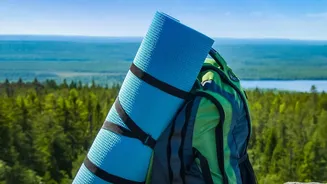


Your Backpack: The First Line of Defence
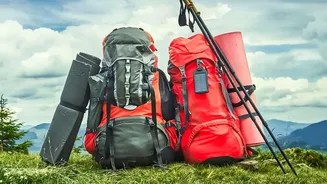
Your entire world will be in your backpack, so keeping it dry is non-negotiable. Choose a backpack with a capacity of 30-40 litres for a two or three-day trek. While many bags claim to be water-resistant, the Indian monsoon requires a two-pronged approach.
First, ensure your pack has a built-in or separate rain cover that fits snugly. Second, and more importantly, pack your belongings inside dry bags or thick plastic bags within the main compartment. This internal waterproofing ensures that even if the outer cover fails or water seeps through the back panel, your spare clothes and electronics remain completely dry.
Clothing: The Quick-Dry Philosophy
The golden rule for monsoon trekking is simple: no cotton. Cotton absorbs moisture, gets heavy, and takes forever to dry, leaving you cold and uncomfortable. Instead, opt for lightweight, synthetic fabrics like polyester or nylon that wick moisture away from your skin. Pack two sets of quick-dry t-shirts and trekking pants. One set is for trekking and will likely get wet; the other is a strictly-dry set for the campsite or homestay. A lightweight fleece jacket is also essential, as evenings can get surprisingly chilly at higher elevations. Avoid jeans and heavy materials at all costs. Full-sleeved shirts and full-length pants also offer protection against insects and thorny bushes.
Footwear: Grip, and Leech Protection
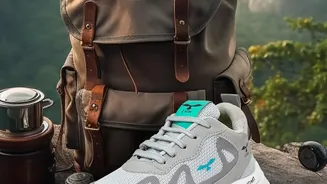
The volcanic basalt rock of the Sahyadris becomes notoriously slippery when wet, making proper footwear your most critical safety gear. Invest in trekking shoes with deep lugs and excellent grip. While fully waterproof boots sound ideal, they can sometimes trap water that enters from the top, leaving your feet soaked. Many experienced trekkers prefer non-waterproof shoes with good drainage combined with waterproof or wool-blend socks. For navigating wet campsites, a pair of lightweight sandals or floaters is a blessing. During monsoon, leeches are a common sight in the Western Ghats. To counter them, wear high-ankle shoes and consider using leech-proof socks, which are long socks that you can tie below the knee. Tucking your trousers into your socks provides an additional barrier.
Rainwear: Poncho vs. Rain Jacket
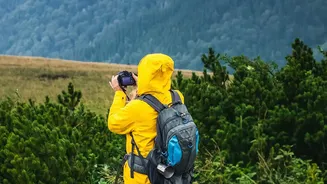
The choice between a poncho and a two-piece (jacket and pants) rain suit is a classic trekking debate. A poncho offers excellent ventilation and covers you and your backpack, making it a great, airy option for humid conditions. A rain jacket and pants provide better overall protection from wind and water, especially during heavy downpours. For most Western Ghats treks, where humidity is high, a good quality, breathable rain jacket is often sufficient, paired with the rain cover for your backpack. An umbrella can be useful, but is often impractical on windy ridges or through dense foliage.
Health, Hygiene, and The Leech Situation
A personal first-aid kit is essential. Pack it with antiseptic wipes, bandages, pain relief spray, and any personal medications. To deal with leeches, carry a small bottle of salt, Dettol, or hand sanitiser; applying any of these will make them fall off. Leech bites are not dangerous but can bleed a lot due to the anticoagulant they inject. After a bite, clean the area and apply an antiseptic. The bites can be itchy for a few days; applying coconut oil can help soothe the skin. Also, pack a reliable insect repellent to guard against mosquitoes and other bugs. A small, quick-dry towel and biodegradable wet wipes will handle your hygiene needs on the trail.
Essential Gadgets and Miscellaneous Items
Protecting your electronics is crucial. Use waterproof phone pouches and store power banks and cameras in dry bags. A headlamp or torch with extra batteries is a must-have, as you might start early or end late, and it's essential for campsites. Trekking poles are highly recommended for navigating slippery descents and stream crossings, providing extra stability and reducing strain on your knees. Carry at least two litres of water and some high-energy snacks like nuts and energy bars. Lastly, pack a government-issued ID card and a small amount of cash in a waterproof pouch.