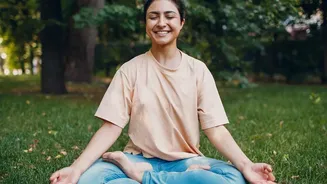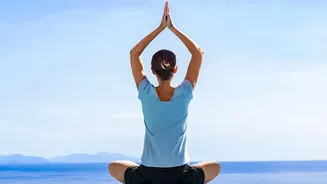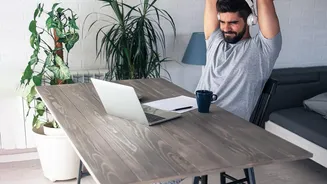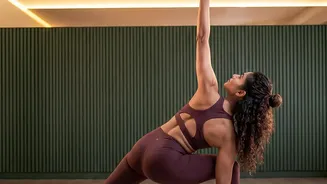


That familiar stiffness after a long day at your desk is more than just a minor annoyance. Hours of sitting can lead to tight hips, a sore back, and mental fatigue. An evening yoga routine offers a gentle yet powerful way to undo the day's strain.
Why Your Body Protests After a Day of Sitting
The
human body is designed for movement, but modern work often involves spending eight or more hours in a chair. This prolonged sitting takes a toll. Muscles like your hip flexors and hamstrings shorten and tighten, which can pull on your pelvis and contribute to lower back pain. Meanwhile, the muscles in your core and glutes can become less active and weaken, compromising your posture. This inactivity also slows down circulation and metabolism. Over time, this sedentary pattern can lead to chronic stiffness, poor posture, and persistent aches in the neck, shoulders, and back. Many people experience these effects as a general feeling of low energy, tight hips, and a back that just feels 'locked up'.
Yoga as the Counter-Movement
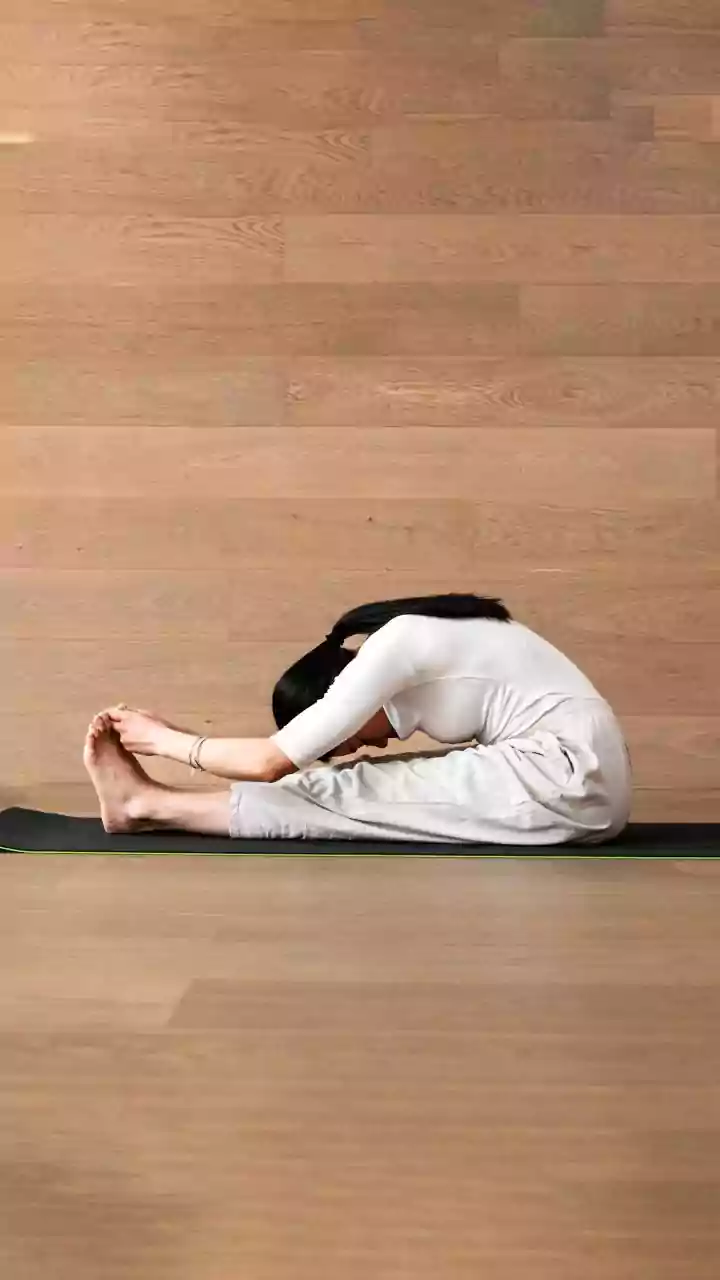
An evening yoga practice directly counteracts the physical patterns of a desk job. It's not about a strenuous workout but about intentional, restorative movement. Gentle stretches help lengthen the muscles that have been shortened all day, particularly the hip flexors and hamstrings. Poses that involve gentle twisting and arching, like Cat-Cow, increase spinal flexibility and relieve the tension that builds up from hunching over a keyboard. Furthermore, yoga improves circulation, increasing blood flow to muscles, which aids in recovery and can help prevent sleep-disrupting cramps. This process helps transport nutrients while clearing metabolic byproducts that accumulate during periods of inactivity. The focus on deep breathing also helps calm the nervous system, making it a perfect tool to transition from a stressful workday to a restful evening.
Essential Poses to Undo the 'Desk Body'
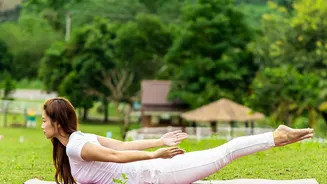
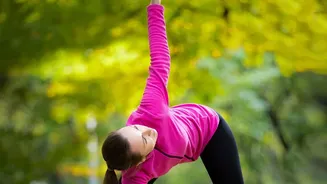
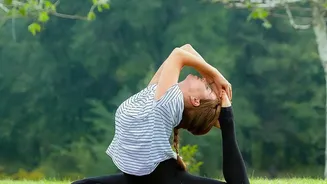
You don't need a long or complicated routine to feel the benefits. Focusing on a few key poses that target common problem areas can make a huge difference. A Cat-Cow flow on all fours warms up the spine. A Low Lunge is excellent for opening up the notoriously tight hip flexors. Downward-Facing Dog provides a full-body stretch, lengthening the hamstrings, shoulders, and spine all at once. To specifically address the lower back and hips, a Supine Twist (lying on your back and dropping your knees to one side) can release deep-seated tension. Finally, a Reclined Pigeon pose targets the piriformis muscle, which can get tight from sitting and contribute to discomfort. Holding each of these poses for several deep breaths allows the muscles to relax and release.
More Than Just a Stretch: Mental Decompression
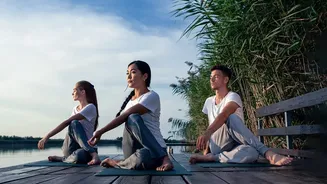
The benefits of an evening yoga session extend beyond the purely physical. The practice encourages mindfulness, asking you to focus your attention on your body and your breath rather than the lingering stressors of the day. This mental shift is crucial for signaling to your body that it's time to unwind and enter a state of rest. Poses like Child's Pose are known for their calming effect on the nervous system, providing a sense of grounding and safety. Even a simple breathing exercise like Alternate Nostril Breathing, practiced for just a few minutes before you start stretching, can quiet racing thoughts and reduce anxiety. By integrating this mental reset, your yoga routine becomes a powerful ritual for closing out the workday and preparing your mind, as well as your body, for a peaceful night's sleep.
Creating a Consistent Evening Ritual
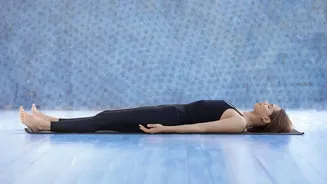
The key to longterm relief is consistency. Aim for just 10 to 15 minutes of stretching each evening to start. You don't need special equipment, just a comfortable space on the floor. Dim the lights and put on some calming music to help create a relaxing atmosphere. The goal is not to push your body into extreme flexibility but to gently move and release tension. Listen to your body and never force a stretch to the point of pain. End your practice with a few minutes in a restful pose like Savasana (Corpse Pose) or LegsUptheWall to allow your body to fully absorb the benefits of the movement and enter a state of deep relaxation. This simple, consistent habit can dramatically change how you feel at the end of the day and improve your sleep quality.