


Waterproof Everything, Then Double Up
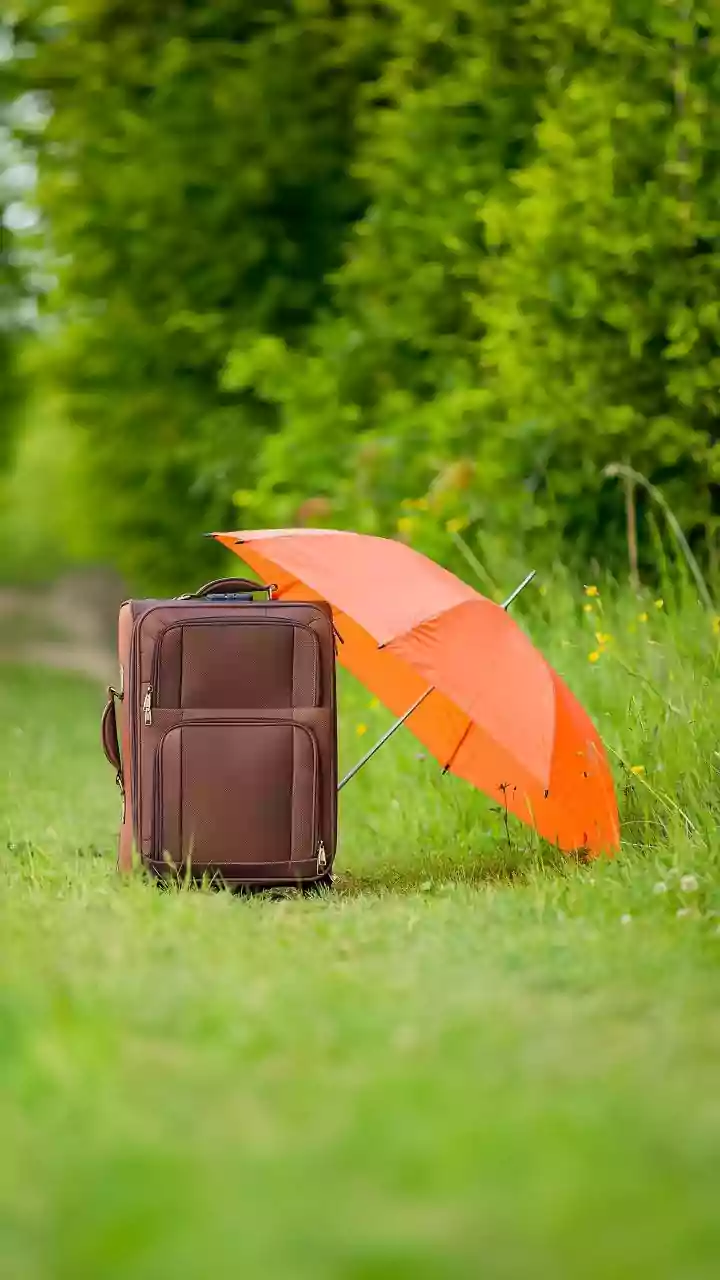
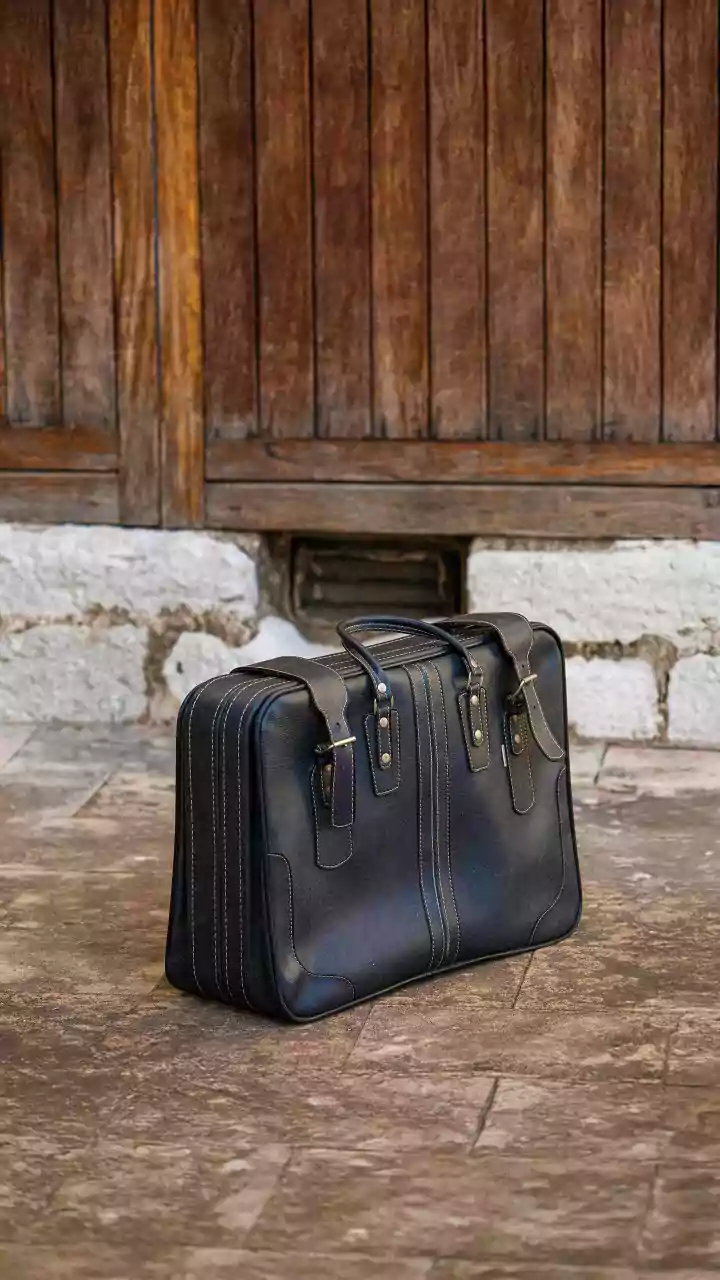
The golden rule of monsoon travel is that water gets everywhere. Start by investing in a waterproof backpack or a reliable rain cover for your existing luggage. But don’t stop there. The real hack is to create a second layer of defence inside your bag.
Use Ziploc bags or dedicated dry bags for all your critical items. Group electronics like your phone, power bank, and chargers into one sealed bag. Do the same for important documents like tickets and identification. For clothes, consider using larger plastic bags or packing cubes to separate dry outfits from anything that might get damp. This compartmentalisation ensures that even if your main bag gets wet on a rainy platform, your essentials remain perfectly dry.
Choose Your Fabrics Wisely
Cotton and denim are your enemies during the monsoon. They absorb moisture, become heavy, and take an eternity to dry in humid conditions. Instead, pack clothes made from synthetic, quick-drying fabrics like polyester or nylon. These materials are lightweight and will dry much faster, even in the damp air of a train compartment. A microfiber towel is another non-negotiable item; it’s incredibly absorbent and dries in a fraction of the time a traditional cotton towel would. Also, pack one extra set of clothes in a sealed bag as a dedicated emergency outfit you know will be dry no matter what.
Rethink Your Footwear
Train station platforms can become dangerously slippery during a downpour. Your choice of footwear is crucial for both safety and comfort. Pack shoes that have a strong grip and are water-resistant. Avoid leather shoes and opt for rubber-soled sandals, floaters, or waterproof boots. It’s also wise to have a pair of simple slippers for walking around inside the train coach. Keeping your feet dry can prevent fungal infections and general discomfort, especially on long journeys. An extra pair of socks in your daypack is a small addition that can bring immense comfort if your shoes get soaked.
Create a 'Comfort Kit' for Your Berth
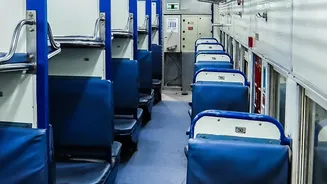
Once you’re settled in, you want to be comfortable without constantly rummaging through your main luggage. Create a small, accessible kit with everything you might need. This should include a hand sanitiser, wet wipes, and any personal medications. Since the air conditioning in AC coaches can get quite chilly, a light jacket, shawl, or a thin blanket is essential. An eye mask and earplugs can also be lifesavers if you want to sleep undisturbed by the noise and light. Finally, since train delays are more common during the monsoon, make sure your phone is fully charged and you have a reliable power bank ready to go.
Pack Smart Snacks and Stay Hydrated
While the allure of station-side pakoras and chai is strong, it's safer to be partially self-sufficient with food and water. The monsoon season brings a higher risk of waterborne illnesses, so it is best to avoid tap water or precut fruits from platform vendors. Carry a reusable water bottle that you can fill from reliable sources and pack non-perishable snacks like energy bars, nuts, or biscuits. Having your own food provides a safe option in case of unexpected delays or if the train's pantry car services are disrupted, which can happen during heavy rains. Warm, comforting meals like soups or biryani are often good choices if ordering food on the train.
Don't Forget the Small Essentials
A few small, often-overlooked items can make a huge impact. A small flashlight or a headlamp is useful, as power can be intermittent and it gets dark early on rainy days. A portable clothesline or a few safety pins can be used to hang damp clothes to dry near a window. Insect repellent is a must, as the monsoon is peak season for mosquitoes. Finally, carrying a few extra plastic bags is always a good idea; they can be used to store wet umbrellas, segregate dirty laundry, or as makeshift protection for anything you buy along the way.