


Start With Bed Placement
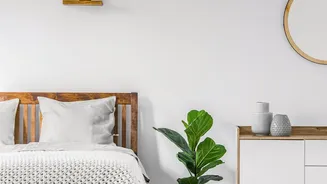
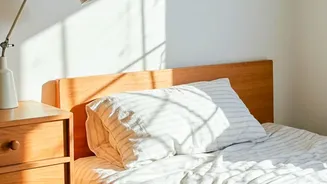
The bed is the largest piece of furniture, so its position dictates the rest of the room's flow. A common and effective strategy is to place the headboard against the longest uninterrupted wall, ideally opposite the door. This creates a natural focal
point and often leaves clear pathways on either side for movement and nightstands. In very narrow rooms, tucking the bed into a corner can free up a surprising amount of central floor space. If wall space is limited, placing the bed under a window is another viable option, as long as you use a low headboard that doesn't block natural light.
Choose Smart, Scaled Furniture
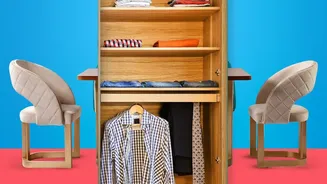
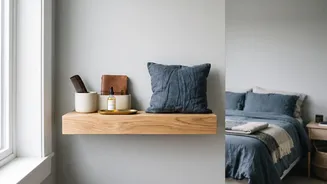
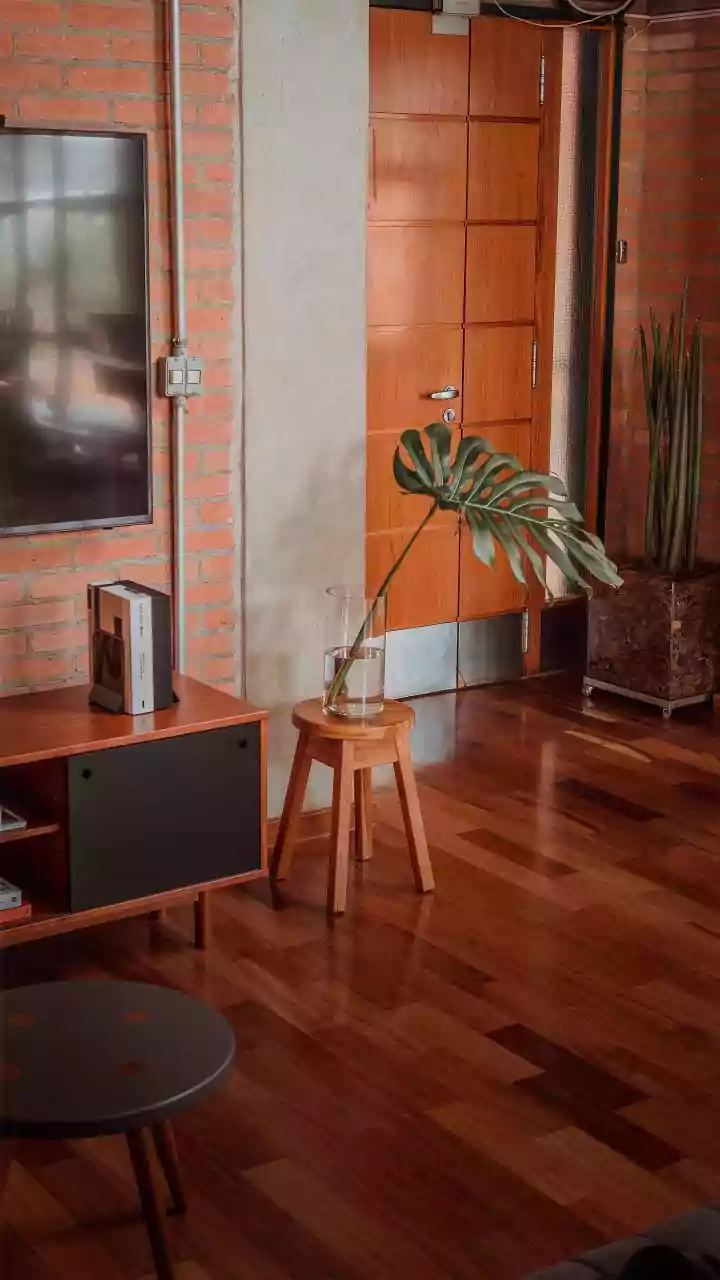
In a compact space, every piece must earn its place. Opt for furniture that is scaled to the room's size. Bulky, heavy pieces can visually shrink a room. Look for low-profile bed frames and furniture with visible legs, like slim-legged nightstands or dressers. Seeing the floor underneath creates an illusion of more space. Better yet, choose multi-functional furniture. A bed with built-in storage drawers can eliminate the need for a separate bulky dresser. A storage ottoman can serve as seating and a place to hide blankets or books, while floating shelves or wall-mounted nightstands free up the floor entirely.
Utilise Your Vertical Space
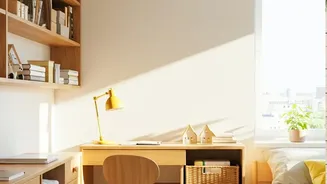
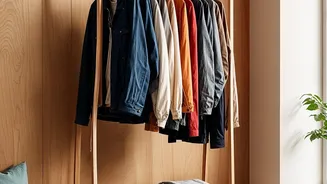
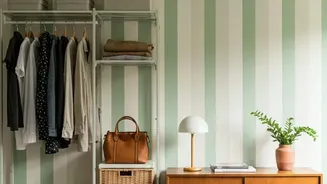
When you can't build outwards, build upwards. Drawing the eye towards the ceiling makes a room feel taller and more open. Use tall, narrow bookcases or shelving units to store books and display decor without taking up precious floor area. Hanging curtain rods higher and wider than the window frame is another classic trick that creates the illusion of a larger window and higher ceilings. Wall-mounted hooks and organisers are perfect for keeping bags, accessories, and tomorrow's outfit off the floor and out of the way.
Harness Light and Reflection
Light is one of your most powerful tools for making a space feel bigger. Maximise natural light by using simple, light-filtering window treatments like sheer curtains instead of heavy, dark drapes. When it comes to artificial light, layering is key. An overhead fixture, a bedside lamp, and maybe a small floor lamp work together to eliminate shadows that can make a room feel smaller. The oldest trick in the book works for a reason: add a large mirror. Placing a mirror opposite a window will bounce light around and create a powerful illusion of depth, making the room feel almost twice its size.
Control the Visual Clutter
A cluttered room will always feel small, no matter its size. The goal is to reduce 'visual noise'. This starts with having a home for everything. Keep surfaces, especially the floor, as clear as possible. A floor with shoes, bags, or boxes on it makes a room feel instantly cramped. Stick to a cohesive and light colour palette for your walls, trim, and large furniture pieces. Soft whites, beiges, and pale greys reflect light and make the space feel airy and open. You can introduce texture and personality through bedding and a few wellchosen decor items, but avoid too many small, busy patterns. Grouping small items on a tray can also make them look intentional rather than messy.