

The First Step: Verifying Purity
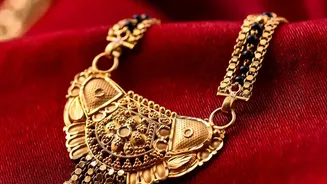
The valuation of your old gold begins with determining its purity, measured in karats (K). 24K is the purest form (99.9% gold), while jewellery is typically made from 22K (91.6% gold) or 18K (75% gold) alloys. If your jewellery has a BIS (Bureau of Indian
Standards) hallmark, its purity is certified. For non-hallmarked items, the jeweller will test the gold. Common methods include an acid or touchstone test, but the most accurate and non-destructive method is X-Ray Fluorescence (XRF) testing, which provides a precise reading of the metal's composition. You have the right to watch this test being performed. For a definitive second opinion, you can get your jewellery tested at a BIS-recognised Assaying and Hallmarking Centre for a nominal fee.
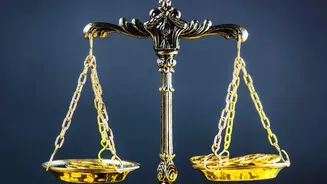
Getting the Weight Right
Once purity is established, the gold is weighed. It is crucial that only the weight of the gold is considered. Any embedded stones, pearls, enamel, or wax (often found in traditional heavy jewellery) must be removed first. The jeweller will either remove these materials in your presence or estimate their weight and deduct it from the total. Always ensure this happens transparently and that you get to keep your stones if you wish. The weight of the net gold, after these deductions, is the figure used for the final calculation.
Calculating the Base Value
The jeweller calculates the base value using a simple formula: Net Gold Weight x Purity x Current Gold Rate. The 'current gold rate' is key here. Jewellers will use their prevailing rate for the day, which is based on market prices but may be slightly lower than the live market rate to account for their margin. It is wise to check the day's gold rate from a reliable source before you visit the store to have a baseline. The rate applied should correspond to the purity of your gold; for example, if your ornament is 18K, the 18K gold rate should be used in the calculation.
Decoding the Common Deductions
This is where the final offer can differ significantly from your initial calculation. When you sell or exchange old gold, jewellers will apply certain deductions. 'Melting' or 'Refining' charges, typically ranging from 2% to 10%, are often deducted to cover the cost of melting down the old jewellery and purifying the gold. It is important to remember that 'making charges' and GST paid when you originally bought the jewellery are not refunded upon resale. You are only getting value for the raw gold content. Be wary of excessive or vaguely explained 'wastage' deductions, which are more applicable when buying new jewellery, not selling old items. Always ask for a clear explanation of every charge.
Reading the Final Invoice
Whether you are exchanging for new jewellery or taking cash, demand a detailed final invoice. It should clearly state the gross weight of your ornament, the weight of any deducted stones or other materials, the net gold weight, the purity (e.g., 22K/916), the gold rate applied, the total value calculated, and a line-by-line list of all deductions like melting charges. If you are exchanging for a new piece, the invoice will show the value of your old gold being credited against the price of the new item. If you sell for cash, be aware of potential capital gains tax implications, which typically don't apply when exchanging gold for gold.