






A Global History in Every Thread
Before it became a staple of 20th-century American prep style, Madras check had a rich and storied history rooted in India. Named for the city of Madras (now Chennai), the fabric was a practical solution for the hot, humid climate of the Coromandel Coast.
For centuries, local weavers created this lightweight, airy cotton cloth, using handlooms and vibrant vegetable dyes. The British East India Company began exporting the fabric in the 17th century, captivated by its breathable quality. It soon became a global commodity, traded across Europe, Africa, and the Americas, where it was adopted and adapted by different cultures, from Nigerian ceremonial wear to Caribbean headwraps.
The Genius of Breathable Cotton
The return of Madras check isn't just a style story; it's a material one. At its core, the fabric's enduring appeal comes down to its primary ingredient: cotton. In a world saturated with synthetic fabrics, the simple perfection of cotton feels like a revelation. Cotton fibres are naturally structured to allow air to circulate freely, which helps regulate body temperature and keeps you cool. Furthermore, cotton is highly absorbent, capable of holding many times its own weight in water. This allows it to wick moisture away from the skin, preventing that sticky, uncomfortable feeling common on hot days. The recent turn toward heritage textiles is partly a reaction against fast fashion, favouring natural, durable, and comfortable materials that connect us to a story.
From 'Bleeding' Flaw to Fashion Feature
One of the most fascinating parts of Madras history involves its famous flaw. Early versions imported to the West were made with natural dyes that were not always colourfast. When washed, the vibrant colours would run and blend together. After Brooks Brothers introduced the fabric to the US market in 1958 and customers complained about the bleeding, a clever advertising campaign turned this defect into a desirable feature, branding it as "Guaranteed to Bleed". This unique, ever-so-slightly faded look became a prized hallmark of authenticity, cementing the fabric's place in the breezy, rebellious Ivy League style of the 1960s.
The 2026 Madras Revival
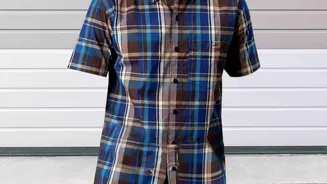
Fashion is cyclical, and today's designers are once again falling for Madras check's charms, tapping into a broader trend of reviving heritage crafts and textiles. But the 2026 interpretation is not just a simple retro throwback. While the classic shirts and shorts remain popular, the pattern is now appearing on modern silhouettes: breezy wide-leg trousers, structured blazers, slip dresses, and accessories. Designers are playing with scale, colour, and patchwork variations to give the fabric a fresh, contemporary feel. This revival champions authenticity and craftsmanship over mass-produced uniformity, celebrating the small imperfections of handwoven textiles.
How to Wear It Now
The beauty of Madras check is its versatility. Because the pattern is inherently bold, the key is to let it be the star of your outfit. Pair a Madras shirt with solid-coloured chinos, denim, or linen shorts. A Madras jacket or blazer looks sharp over a simple white T-shirt or an oxford cloth shirt. For a more subtle nod to the trend, try incorporating it through accessories like a tie, a pocket square, or a tote bag. The rule of thumb is to ground the vibrant pattern with neutral or solid pieces, picking up one of the colours from the check to create a cohesive look. Don't be afraid to embrace its casual nature—roll up the sleeves and enjoy the comfort.