



Why Protein Pairing Matters
Protein is made of building blocks called amino acids. There are nine 'essential' amino acids that our bodies can't make and must get from food. Foods that contain all nine are called 'complete proteins', while those missing one or more are 'incomplete
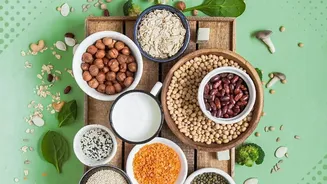
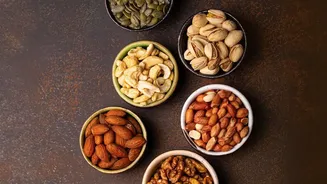
proteins'. Most animal products like meat, eggs, and dairy are complete. Most plant-based foods such as grains, nuts, and legumes are incomplete. However, by combining different plant foods, a process known as protein complementation, you can easily create a complete protein profile. The good news is that you don't even need to eat them in the same meal; consuming a variety of protein sources throughout the day is effective.
Meet Your Protein Powerhouses
Lentils, paneer, and tofu are three of the most accessible and powerful protein sources for a vegetarian diet in India. Tofu, made from soybeans, is one of the few plant-based foods that is also a complete protein. Together, they offer a versatile toolkit for building strong, balanced meals.
Lentils: The Versatile Foundation
Lentils (dal) are the backbone of Indian vegetarian cooking. A cup of cooked lentils provides around 18 grams of protein. However, like most legumes, lentils are an incomplete protein, typically low in an amino acid called methionine. The magic happens when you pair them with grains like rice or wheat, which are low in a different amino acid (lysine) but have the methionine that lentils lack. This is why classic Indian meals like dal-chawal (lentils and rice) or dal-roti (lentils and flatbread) are not just comfort food—they are nutritionally brilliant combinations that form a complete protein.
Paneer: The Complete Dairy Star
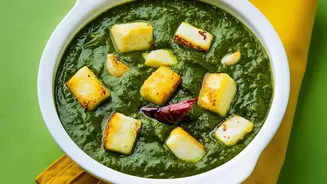
Paneer is a favourite for a reason. As a dairy product, it is a complete protein, containing all nine essential amino acids. A 100-gram serving can provide about 18 to 20 grams of protein, making it an excellent choice for muscle repair and growth. Since paneer is already a complete protein, you don't need to pair it strategically for amino acids. Instead, focus on creating a balanced plate. Combine paneer with fibre-rich vegetables in a sabzi, add it to whole-grain pulao, or pair it with lentil-based dishes for a meal that is diverse in nutrients, textures, and flavours. A paneer and lentil curry, for instance, offers a double dose of protein along with complementary nutrients.
Tofu: The Plant-Based Chameleon
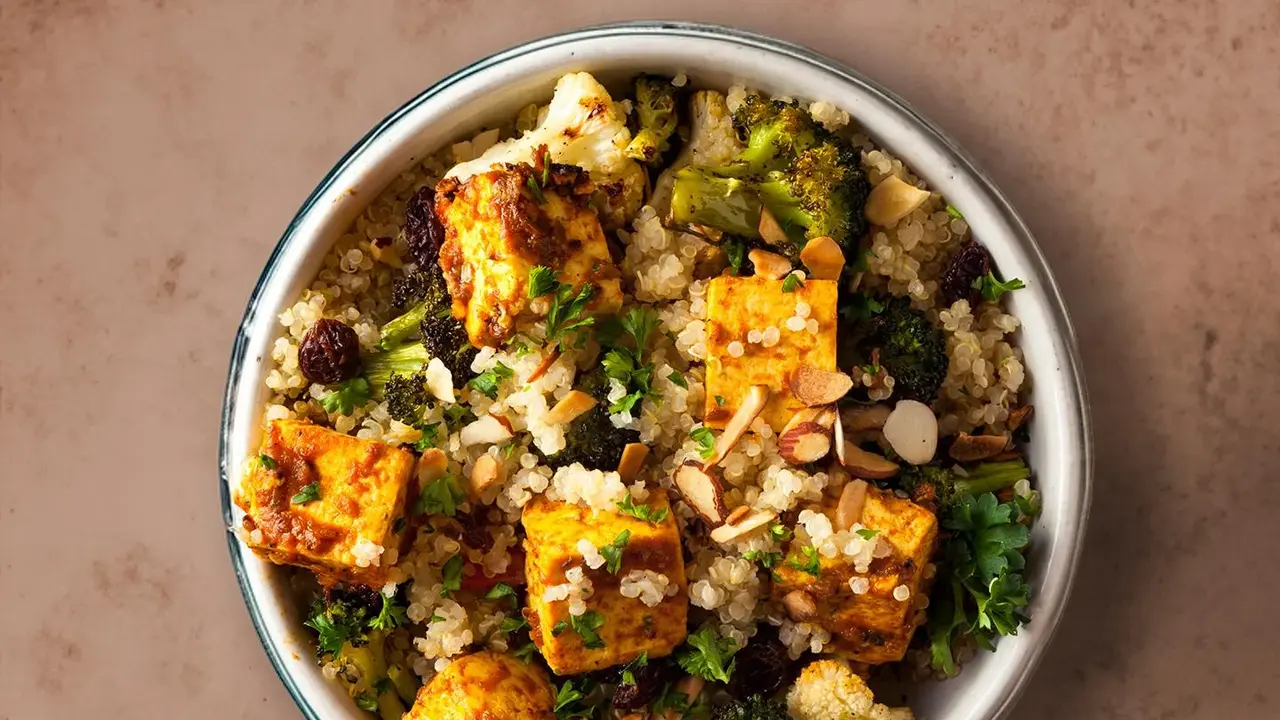
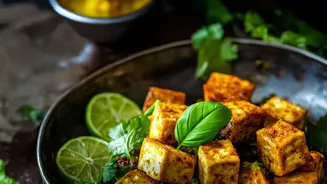
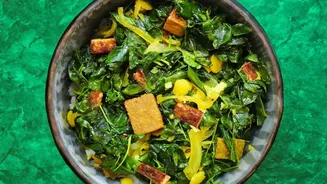
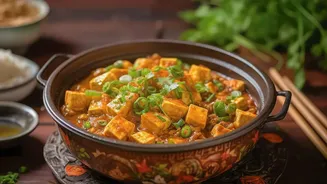
Tofu is another plant-based hero that qualifies as a complete protein because it is derived from soybeans. It’s lower in calories and fat compared to paneer, making it a great alternative. A 100-gram serving of firm tofu offers around 8 to 10 grams of protein and is often fortified with calcium and vitamins. Tofu is incredibly versatile due to its mild flavour, readily absorbing the taste of spices and sauces. You can use it as a direct substitute for paneer in dishes like tofu bhurji, palak tofu, or in stir-fries. Pairing it with lentils in a curry can create a meal that is both protein-dense and entirely plant-based.
Smart Pairing Meal Ideas
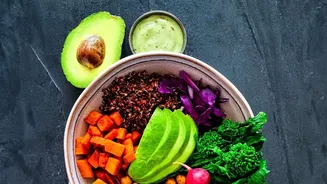
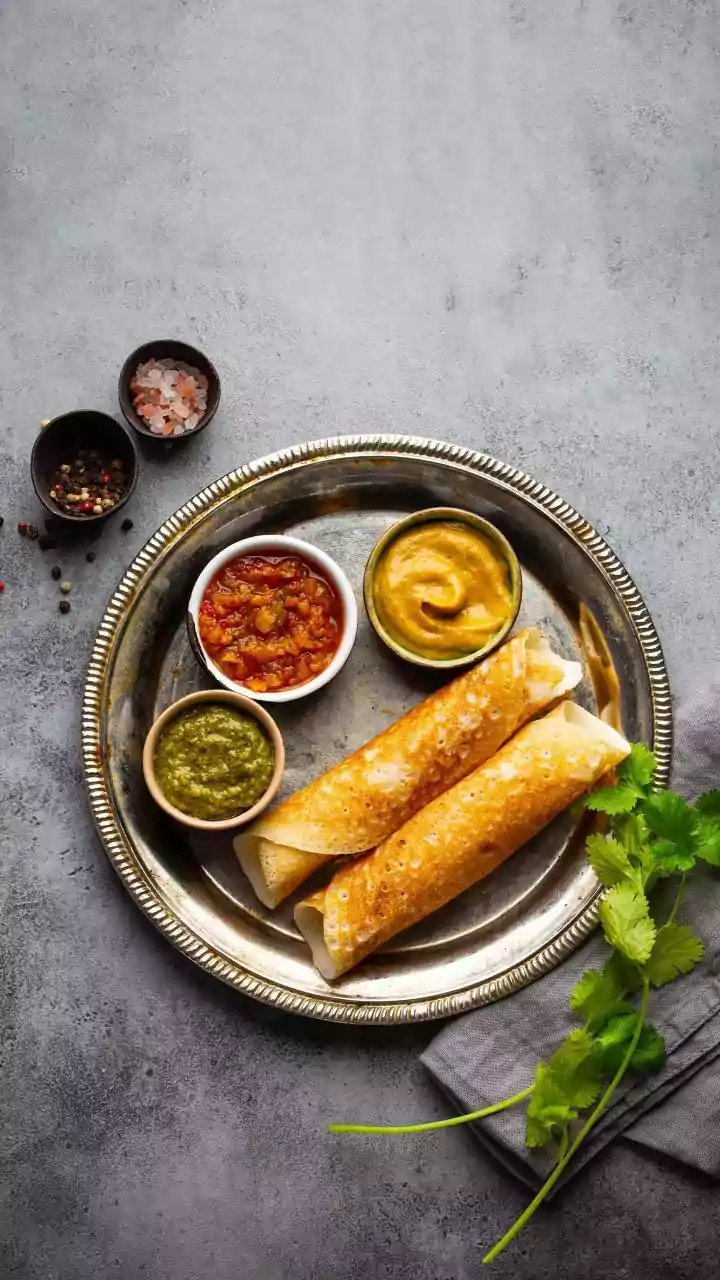
Putting it all into practice is simple and delicious. For a well-rounded meal, think about combining these ingredients across your day. Start your day with a moong dal cheela (lentil crepe). For lunch, a classic rajma-chawal (kidney beans and rice) is a perfect complete-protein meal. For dinner, you could have a mixed vegetable curry with cubes of paneer or tofu, served alongside whole-wheat rotis. Another great option is a hearty lentil soup with a side of sautéed paneer. You can even combine them in one dish, like a paneer and lentil coconut curry or an Indian-style butter tofu with lentils. The key is variety and balance.