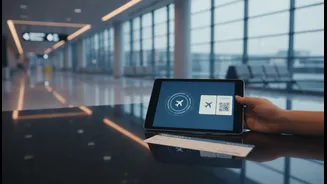









The DigiYatra Promise: A Paperless Journey
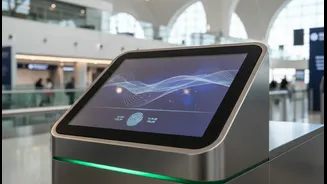
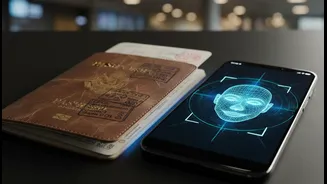
DigiYatra is a government-led initiative designed to revolutionise air travel in India by making it contactless and paper-free. Using facial recognition technology, your face effectively becomes your ID and your boarding pass. The system allows travellers
to register on a mobile app by linking their Aadhaar and taking a selfie. Once you upload your boarding pass to the app, dedicated e-gates at the airport terminal entrance, security check, and boarding gate are meant to recognise you and open automatically. The goal is to eliminate the repetitive process of showing your ID card and boarding pass to officials at multiple checkpoints, significantly cutting down queues and making the entire airport transit faster and more efficient. This has already been rolled out across dozens of Indian airports for domestic travel and is being implemented for international transit as well.
The Reality Check: Why You Still Need Your Boarding Pass
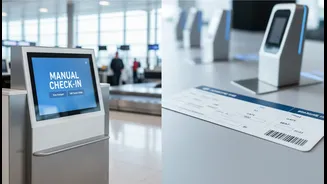
Despite the system's advanced technology, travellers across the country frequently find themselves being asked to present their boarding pass. The gap between the paperless promise and the on-ground reality stems from a few key factors. While DigiYatra authenticates your identity, some processes run by different agencies—namely the Central Industrial Security Force (CISF) and the airlines themselves—have not been fully replaced by the biometric system. The CISF may still need to manually check boarding passes during the security screening for their own procedural checks. Furthermore, airlines have their own distinct protocols at the final boarding gate. Their staff needs to scan your boarding pass to confirm you are boarding the correct aircraft, check your seat number, and finalise their passenger manifest. This is an airline-specific procedure separate from the airport's DigiYatra infrastructure.
Key Checkpoints Where Your Pass is Essential
So, where are you most likely to be asked for your boarding documents? There are two main points in your journey where you should have your pass ready. The first is during the security check itself. While the DigiYatra e-gate gets you into the security area, the CISF personnel overseeing the baggage scanners may still ask to see a physical or digital boarding pass as part of their standard operating procedure. The second, and more certain, checkpoint is the airline's boarding gate. Even after using your face to get through a biometric boarding e-gate, the airline staff will almost always conduct a final scan of your boarding pass before you step onto the aerobridge. This is their final verification step. Technical glitches or system downtimes are also a possibility, making a backup document essential to avoid delays.
Best Practices for a Smooth DigiYatra Experience
To enjoy the speed of DigiYatra without any last-minute hiccups, a little preparation goes a long way. The most crucial advice is to always keep a digital version of your boarding pass easily accessible on your phone. After you complete your web check-in, take a clear screenshot of the boarding pass with the QR code. Save this screenshot to your phone’s photo gallery so you can pull it up in seconds without needing an internet connection. This is often faster than trying to open the airline's app or a PDF file. While DigiYatra's vision is to make your face your sole credential, the current reality is a hybrid system. Being prepared for this hybrid model is the key to a stress-free journey. Think of DigiYatra as a fast lane, not a complete replacement for your documents just yet.