



As the temperature drops, the cozy warmth of indoor heating is a welcome comfort. But that same heat could be the hidden culprit behind your suddenly tight, itchy, and flaky skin. Here’s why your heater is your skin's winter foe and what to do.
The Science Behind a Dry Indoors
The problem
isn't the heat itself, but what it does to the air's moisture content. Cold winter air naturally holds less moisture. When your heating system warms up this already dry air, its relative humidity plummets. This creates a dry indoor environment, sometimes with humidity levels falling below 30 percent, which is far from the ideal 40 to 60 percent range for skin comfort. This excessively dry air then acts like a sponge, pulling moisture directly from any available source—including the outer layer of your skin. This process, known as transepidermal water loss, accelerates, leaving your skin dehydrated faster than it can replenish its moisture.
Recognising the Symptoms of Winter Skin
When your skin barrier is compromised by low humidity, it can lead to a host of uncomfortable symptoms. You might notice persistent tightness, especially after cleansing. Flakiness, redness, and itchiness are also common signs that your skin is losing its battle against the dry air. In some cases, the buildup of dry, dead skin cells can lead to a dull complexion and even trigger breakouts as pores become clogged. Fine lines can also appear more prominent on dehydrated skin. It’s a self-perpetuating cycle: dry air weakens the skin's barrier, and a weaker barrier is less effective at holding onto moisture, making the problem worse over time.
Adapt Your Cleansing and Shower Routine
The first line of defence is to stop stripping your skin of its natural oils. That long, steaming hot shower might feel great on a cold day, but it’s detrimental to your skin, breaking down the lipid barrier. Opt for shorter, lukewarm showers instead. It's also time to swap out harsh, foaming cleansers for gentler, more hydrating options. Look for cream, oil, or gel cleansers that are labelled 'moisturising' and free from drying alcohols. These formulas will clean your skin effectively without removing the essential oils that help it retain moisture.
Master the Art of Moisturising
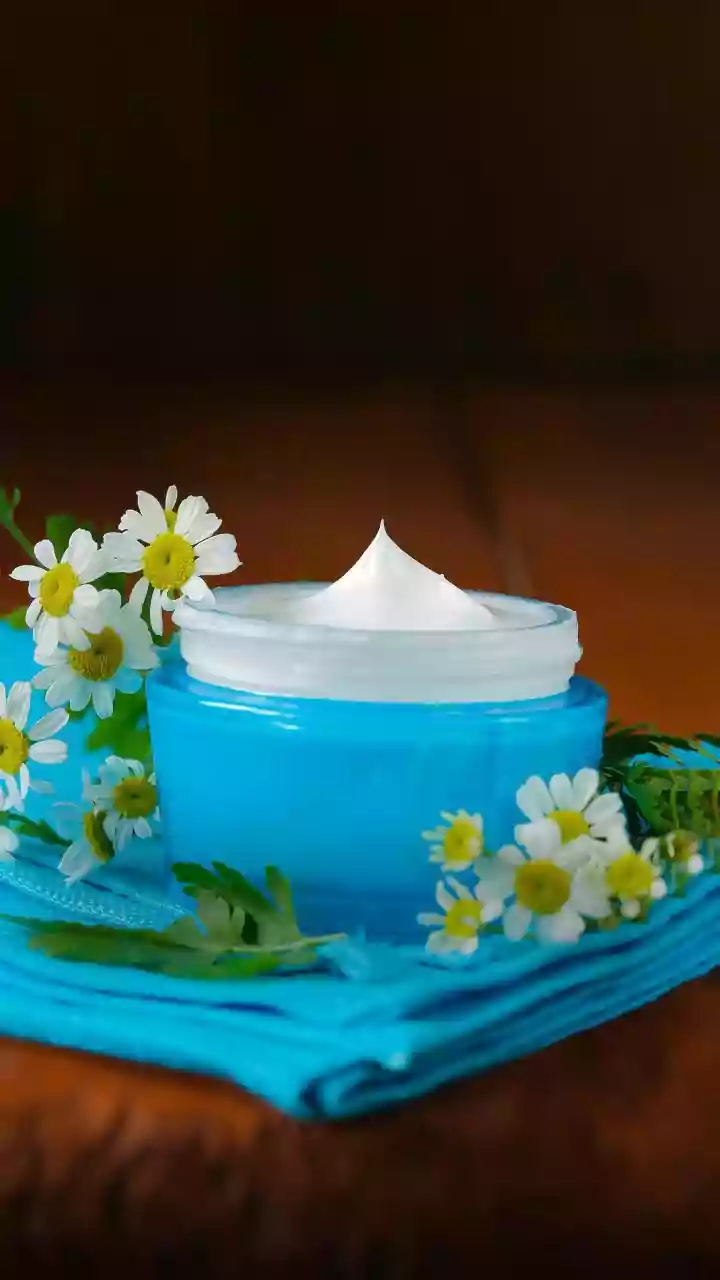
In winter, your lightweight summer lotion likely won't be enough. It's time to upgrade to a richer cream or balm to provide a more substantial protective layer. Look for products with a combination of powerhouse ingredients. Humectants like hyaluronic acid and glycerin are fantastic as they draw moisture into the skin. Emollients such as shea butter and various oils help soften the skin, while occlusives lock that moisture in. Ceramides are particularly crucial as they are lipids that help rebuild and reinforce the skin’s natural barrier. For best results, apply your moisturiser to slightly damp skin immediately after bathing to trap the maximum amount of hydration.
Take Control of Your Indoor Climate
Since dry indoor air is the primary problem, tackling it at the source can make a huge difference. The most effective method is to use a humidifier, especially in your bedroom or any room where you spend a lot of time. This will add much needed moisture back into the air, helping your skin stay hydrated. If a humidifier isn’t an option, there are other simple tricks. Placing bowls of water near heat sources will allow the water to evaporate and increase humidity. Introducing houseplants can also help, as they release moisture through a process called transpiration. You can also leave the bathroom door open when you shower to let the steam disperse into other rooms.
Don’t Neglect Your Hands and Lips
The skin on your hands and lips is thinner and more delicate, making it especially vulnerable to winter dryness. Get into the habit of applying a thick hand cream regularly, especially after washing your hands. At night, you can apply a generous layer and wear cotton gloves to bed for an intensive treatment. Similarly, protect your lips with a nourishing, ointment based balm. Reapply it throughout the day, particularly before heading outdoors and before bed, to prevent painful cracking and chapping. Look for balms that contain ingredients like shea butter or petrolatum to create a protective seal against the elements.