





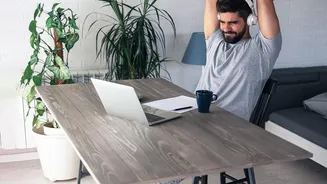
The modern workday often means hours spent in a chair, a habit that quietly takes a toll on our bodies. This prolonged sitting can lead to stiff joints and muscle imbalances, but thankfully, the solution doesn't require a total overhaul of your routine.
Why Sitting Stiffens Your Joints
When you sit for long periods, your body adapts to that single position. Muscles like your hip flexors shorten and tighten, while others, such as your glutes, can weaken from underuse. This creates imbalances that put stress on your joints, particularly in the hips, spine, and shoulders. Over time, this lack of movement can reduce your joints' range of motion, decrease blood flow, and contribute to the aches and stiffness many office workers feel. Your body is designed to move, and when it remains static, tissues can lose their natural elasticity, making even simple actions feel restricted.
Relieve Your Neck and Shoulders
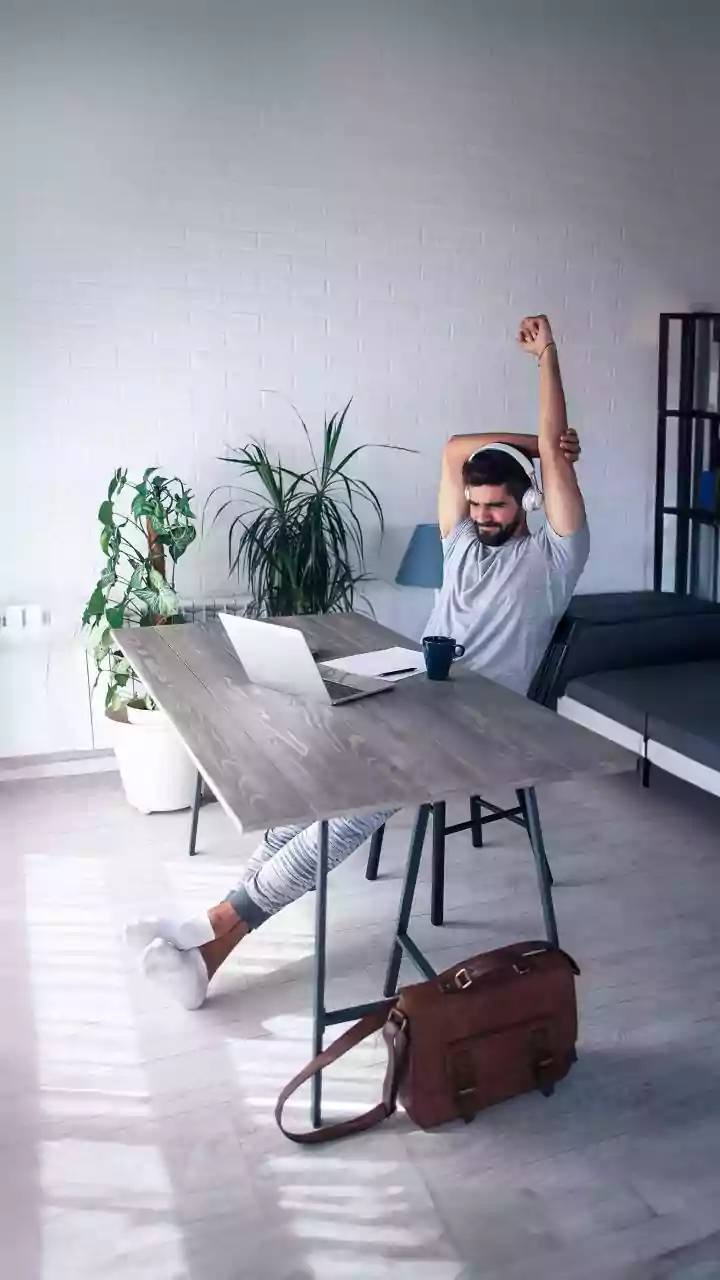
Hunching over a keyboard is a primary cause of neck and shoulder tension. To counteract this, try simple neck tilts. While sitting tall, slowly tilt your head toward your right shoulder, hold for 15-20 seconds, and repeat on the left side. Follow this with shoulder rolls: lift your shoulders up toward your ears, then roll them back and down. Repeat this 10 times in each direction to release tension and improve mobility in the upper back. These small movements help combat the forward-head posture that develops during screen time.
Mobilise Your Spine and Back
A stiff back is another common complaint. A seated torso twist can offer significant relief. Sit upright with your feet flat on the floor and gently twist your upper body to one side, using the chair's back for light support. Hold for 15-20 seconds before switching to the other side. This movement helps maintain spinal mobility, which often becomes restricted after hours of sitting. Another great exercise is the seated cat-cow. Place your hands on your knees, and as you inhale, arch your back and open your chest. As you exhale, round your spine. Repeating this sequence helps reduce tension in the lower and mid-back.
Free Your Hips and Legs
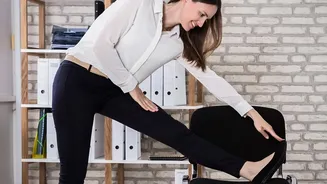
Sitting keeps your hips in a constantly flexed position. To open them up, try a seated figure-four stretch. Cross your right ankle over your left knee and gently lean forward, keeping your back straight, until you feel a stretch in your right hip and glute. Hold for about 20–30 seconds and then switch legs. To activate leg muscles, perform seated leg extensions. Sit tall and extend one leg straight out in front of you, hold for a few seconds, then lower it. Repeating this 10 times on each leg helps strengthen the muscles supporting your knee joints.
Activate Wrists, Hands, and Ankles
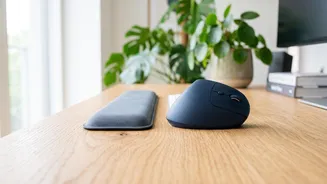
Typing all day can strain your wrists and hands. Extend one arm out, palm down, and use your other hand to gently pull your fingers back toward your body to stretch the wrist and forearm. Hold for 15 seconds and switch. Don't forget your ankles, which can become stiff from lack of use. While seated, lift one foot slightly and rotate your ankle in circles, 10–15 times in each direction, before switching to the other foot. This simple exercise improves circulation and keeps the ankle joints lubricated.
Making Movement a Daily Habit
The key to combating the effects of a sedentary job is not intensity, but frequency. Aim to stand up, stretch, or walk around for a few minutes every 30 to 60 minutes. Setting a simple timer on your phone or computer can be a helpful reminder. You can incorporate movement by taking phone calls while standing, walking to a colleague's desk instead of emailing, or taking a short walk during your lunch break. These small 'movement snacks' add up, breaking the cycle of prolonged sitting and significantly boosting your joint health, energy levels, and even your focus throughout the day.