
The Post-Walk Wipe-Down Ritual
The single most important habit during the monsoon is to thoroughly dry your pet after every single walk, even if it was just a short one. Moisture trapped in the fur and paws is the primary cause of fungal and bacterial skin infections. Keep a dedicated,
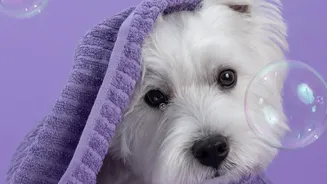
highly absorbent microfiber towel by the door. Focus on drying the paws, belly, underarms, and any skin folds where moisture can hide. For pets with thick or long coats, a hairdryer on a cool, low setting can be a lifesaver to ensure the undercoat is completely dry. Never let your pet air-dry, as this creates the ideal warm, damp environment for infections to take hold.
Paw Care is Non-Negotiable
Your pet’s paws are on the frontline, trudging through muddy, contaminated water that can harbour nasty bacteria. After drying, always clean their paws with lukewarm water. Pay special attention to the area between the toes, a common spot for fungal growth. Trimming the hair between the paw pads can also prevent mud and debris from getting trapped. Inspect their paws daily for any cuts, redness, or swelling, which could indicate pododermatitis, a common inflammation of the paw skin during this season. Applying a pet-safe paw balm can create a protective barrier against moisture and irritants.
Winning the War on Parasites
The warm, humid monsoon weather is a paradise for ticks, fleas, and mosquitoes, which multiply rapidly. These aren't just a nuisance; they can transmit serious illnesses like tick fever and heartworm disease. It is crucial to be consistent with your vet-recommended tick and flea prevention program, whether it's a spot-on treatment, collar, or oral medication. After walks, perform a thorough check of your pet's coat, especially in hidden spots like behind the ears, under the collar, between the toes, and at the base of the tail. Regularly vacuuming your home and washing your pet’s bedding in hot water also helps control the parasite population indoors.
Guarding Against Waterborne Illnesses
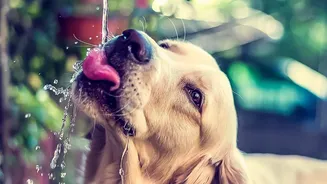
Stagnant puddles might look tempting to a thirsty pet, but they can be a cocktail of harmful bacteria, parasites, and pollutants. Drinking from these contaminated sources can lead to severe gastrointestinal infections with symptoms like vomiting and diarrhoea. More seriously, it poses a risk of Leptospirosis, a dangerous bacterial disease spread through water contaminated with the urine of infected animals. Always provide fresh, clean drinking water for your pet, changing it multiple times a day. Using boiled or filtered water is a safer bet during this season.
Adjusting Grooming and Home Hygiene
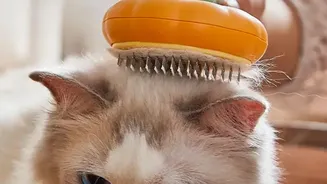
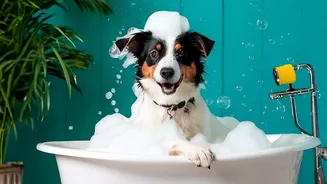
While it's important to keep your pet clean, over-bathing can strip their coat of natural oils that protect the skin. Bathe them only when necessary, perhaps every 2-3 weeks, using a mild anti-fungal shampoo if recommended by your vet. Regular brushing, however, is essential. Daily brushing helps remove dirt, prevents matting in damp fur, and improves air circulation to the skin. At home, ensure your pet's bedding is always clean and completely dry. Keep the house well-ventilated to reduce overall humidity and change your cat's litter more frequently, as it clumps and breeds bacteria faster in damp weather.
When to See a Veterinarian
Vigilance is key. Many monsoon-related health problems start with mild symptoms but can escalate quickly. Look out for warning signs such as excessive scratching, constant licking of paws, redness or rashes, hair loss in patches, and a musty odour from the coat or ears. Any foul smell or discharge from the ears warrants an immediate check, as ear infections are extremely common. Symptoms like fever, lethargy, vomiting, or loss of appetite should never be ignored. A pre-monsoon check-up with your vet is a great way to ensure all vaccinations, including the one for Leptospirosis, are up to date.