




More Than a Meal, It's a Message
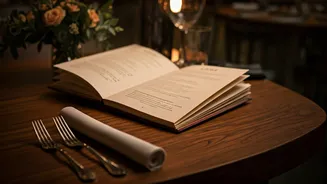
A story-led menu is exactly what it sounds like: a selection of dishes designed to tell a story. Instead of just listing ingredients and prices, these menus guide diners through a narrative arc. The best are described as carefully arranged chapters, where
each course builds on the last, creating a sense of having travelled somewhere by the time dessert arrives. This is a move away from the traditional à la carte model towards a more curated, intentional experience. Chefs use this format, often in the form of a tasting menu, to showcase their vision, values, and creativity, transforming a meal into a direct line of communication from the kitchen to the table.
The Stories on Your Plate
The narratives chefs are telling are as diverse as their cuisines. Some menus are deeply personal, exploring a chef's childhood memories, family recipes, or heritage. Chef Asma Khan's Darjeeling Express in London, for example, tells the story of her family and Kolkata roots. Others focus on the story of the ingredients themselves, highlighting the journey from a specific farm to your table and celebrating seasonal, local produce. At some restaurants, the story is about the location's history, like at Booth One in Chicago, which draws on the legacy of its space as a former celebrity hotspot. Then there are high-concept narratives, like the multi-sensory 'Le Petit Chef' experience, which uses 3D projection mapping to feature a tiny animated chef who 'cooks' on your plate before the real food arrives.
Why We Crave a Side of Story
This trend isn't happening in a vacuum. Diners today, particularly younger generations, are increasingly seeking experiences over simple transactions. A story adds a powerful layer of emotional connection and authenticity to a meal. It taps into our fundamental human love for narrative and makes the experience more memorable. Psychologically, understanding the 'why' behind a dish—the inspiration, the sourcing, the tradition—can make it taste better and feel more valuable. It transforms diners from passive consumers into active participants in a thoughtfully crafted event. This desire for connection and experiential points of distinction is a driving force in the modern hospitality industry.
A Global Trend with Indian Roots
While narrative dining is a global phenomenon, it finds fertile ground in India, where food has always been intertwined with stories, traditions, and regional identity. The late Chef Floyd Cardoz was a pioneer in this space with The Bombay Canteen, where he paid homage to regional diversity by sharing stories of farmers and traditional recipes. Other Indian restaurants, like Masque and The Bombay Canteen, are championing ingredient-led menus that tell a story of seasonality and local sourcing. In Bengaluru, Tijouri at Radisson Blu Atria hosts memory-led experiences celebrating lesser-known recipes from home cooks, turning a meal into a platform for culinary custodians. Even the names are evocative, with places like 'The Indian Stories' in Delhi explicitly framing their menu as a collection of tales told through flavour.
Authentic Experience or Pretentious Gimmick?
Of course, there is a fine line between meaningful storytelling and an overwrought gimmick. When a narrative feels authentic and enhances the food, it can elevate a meal from good to unforgettable. The story of a sustainably caught fish paired with locally grown vegetables can create a deeper appreciation for the dish and the restaurant's values. However, when the story feels forced or distracts from the quality of the cooking, it can feel pretentious. The key is authenticity and execution. The most successful story-led menus use the narrative to add context and emotional resonance, not as a substitute for flavour. The story should complement the dish, not overpower it.