
The Quintessential Monsoon Ritual
There are few sights as evocative as a bhutta-walla fanning hot coals on a rainy evening. The air, thick with the earthy scent of petrichor, mingles with the unmistakable aroma of corn charring over an open flame. For many Indians, this isn't just about
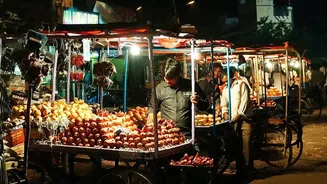
grabbing a quick bite; it's a cherished ritual. The sight of vendors setting up their small carts, laden with fresh green cobs, is a definitive sign that the monsoon has truly arrived. People from all walks of life huddle under umbrellas or wait in their cars, drawn by the promise of this simple, hot, and savoury treat that offers a comforting warmth against the cool, damp weather.
An Explosion of Flavour
What makes bhutta so irresistible is its masterful combination of simple elements. The process is a performance in itself. A fresh cob of corn is roasted directly over a small coal fire until the kernels are tender and lightly blackened, imparting a deep, smoky flavour. But the magic happens right after. The vendor takes half a lemon, dips it into a fiery mix of salt, red chilli powder, and sometimes chaat masala or black salt, and vigorously rubs it all over the hot cob. The result is a multi-sensory experience: the sweetness of the corn, the smoky char, the sour tang of the lime, and the spicy kick of the masala all come together in every bite. It is a flavour profile that is quintessentially Indian—bold, complex, and utterly addictive.
A Gift of the Season
The popularity of bhutta is intrinsically linked to the agricultural calendar. While maize is grown in multiple seasons in India, the primary Kharif crop is sown with the onset of the monsoon in June and July and harvested from September onwards. This ensures a plentiful supply of fresh, tender corn right when the craving hits. This seasonal availability is key, as the taste of freshly harvested corn is significantly sweeter and more succulent. Though modern 'American corn' varieties are available year-round, many connoisseurs argue that nothing compares to the taste and texture of the native 'desi makai' that floods the markets during the monsoon.
Classic and Contemporary Twists
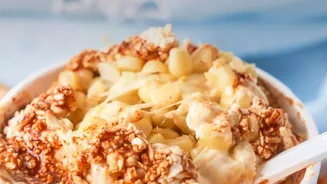
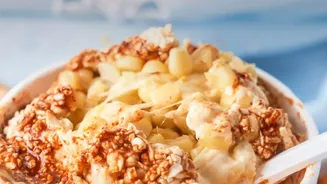
The classic fire-roasted bhutta remains the undisputed champion, but the snack has evolved over time. In cities, you’ll find vendors selling boiled sweet corn cups, a softer, less smoky alternative where boiled kernels are mixed with butter, salt, pepper, and an array of spices. Some vendors offer regional variations in their spice mixes, with some using Himalayan 'pisyun loon' (flavoured salt) or a spicier blend popular in places like Kolkata. The corn itself has also been adapted into other beloved dishes, from grated corn pakoras (bhutta pakoras) and savoury pancakes (chilla) to even a sweet halwa, showcasing its incredible versatility in Indian cuisine.
More Than Just a Snack
Ultimately, the enduring appeal of bhutta goes beyond its taste. It is one of India's most democratic snacks—affordable, accessible, and enjoyed by everyone, regardless of age or social standing. You will find it being savoured on bustling city streets, quiet beaches, and winding mountain roads. It’s a snack that is tied to shared experiences and nostalgia, reminding people of childhood, family road trips, and the simple joy of watching the rain with a warm treat in hand. While corn may have been introduced to India centuries ago, the masala bhutta is a thoroughly Indian invention, a testament to the nation's ability to adopt and transform ingredients into something uniquely its own.