

What is the Pushkar Mela?
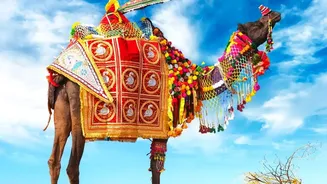
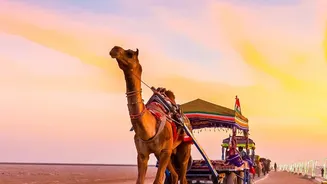
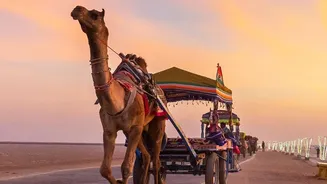
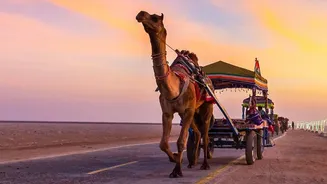
At its heart, the Pushkar Mela is one of the world's largest and most famous camel fairs. For centuries, herders and traders from across Rajasthan and neighbouring states have gathered here to trade tens of thousands of camels, horses, and other livestock.
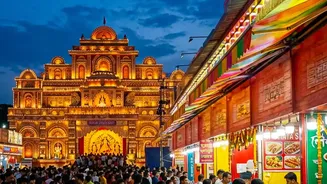
However, the Mela has evolved into much more than a marketplace. It is a vibrant carnival that combines the age-old livestock trade with a deeply significant religious pilgrimage, drawing hundreds of thousands of tourists and devotees from around the globe. The fair, which runs until November 24 in 2026, is a unique blend of a bustling rural market and a colourful cultural festival.
A Tale of Two Fairs
The week-long event can be understood in two distinct phases. The first few days, from November 17 onwards, are dominated by the livestock trade. This is when the fairgrounds are most authentic, filled with herders negotiating deals as the sun rises over the dunes. The second half of the week transitions into a full-fledged cultural extravaganza organised by Rajasthan Tourism. The focus shifts to a wide array of competitions, folk performances, and religious activities. This phase sees a surge in visitor numbers, as the fair builds towards its spiritual climax.
The Spiritual Heartbeat
The Pushkar Mela is inextricably linked to the Hindu lunar calendar, culminating on Kartik Purnima, the full moon night of the month of Kartik. This day holds immense religious importance, as it's believed Lord Brahma, the creator god, performed a sacred yajna at Pushkar Lake. The town is home to the Jagatpita Brahma Mandir, one of the few temples in the world dedicated to him. During the fair, thousands of pilgrims flock to the town's 52 bathing ghats to take a holy dip in the sacred lake, a ritual believed to cleanse sins and grant salvation. The evening aartis, where hundreds of lamps are floated on the water, create a mesmerising spectacle of light and devotion.
Beyond the Camels: What to Expect
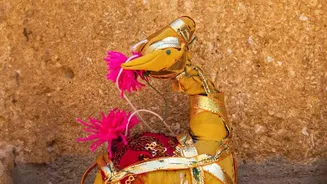
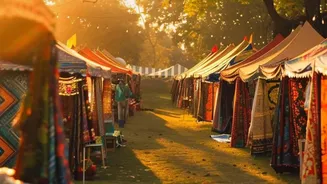
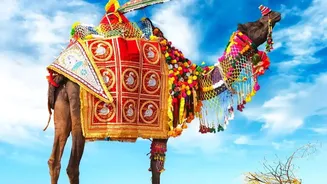
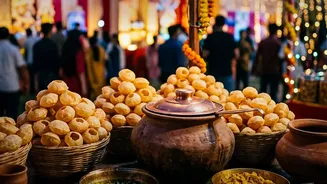
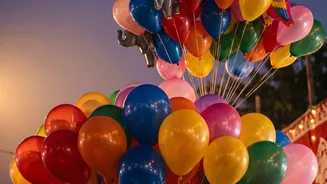
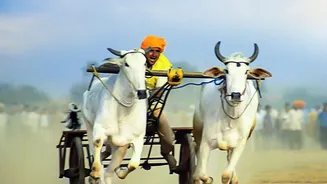
While the camels are the star attraction, the Mela offers a sensory overload of activities. Visitors can witness unique contests like the 'longest moustache' competition, turban tying, camel decoration contests, and spirited tug-of-war matches, which sometimes pit locals against international tourists. The fairgrounds are also a shopper's paradise, with stalls selling everything from traditional silver jewellery and leather goods to colourful Rajasthani textiles and puppets. Evenings come alive with folk music and dance performances, including the famous Kalbelia dance, while puppeteers and magicians entertain the crowds. Hot air balloon rides offer breathtaking aerial views of the sprawling fair against the desert sunrise.
The 2026 Edition: What’s Happening Now
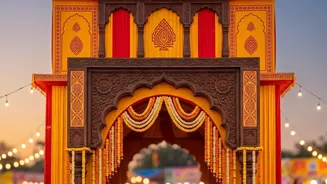
The 2026 fair was officially inaugurated on November 17 with a flag-hoisting ceremony and traditional music. The first day also featured events like a folk art competition and a 'Harmony Marathon'. With the livestock trading now in full swing, the coming days will see the cultural program ramp up, including camel decoration events and folk games. Special events like a Food & Craft Festival at the Shilpgram complex are scheduled to begin on November 20. As the week progresses towards the grand finale of the Kartik Purnima holy bath on November 24, both the crowds and the festive energy are set to intensify.