

The Allure of Monsoon Canyoning
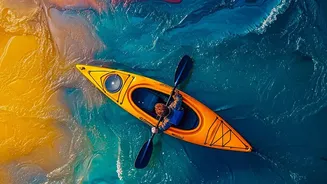
For adrenaline seekers, Meghalaya during the rainy season is a paradise unlike any other. Canyoning, an activity that combines trekking, swimming, and rappelling, is transformed by the monsoon. The rivers swell, creating powerful currents and turning
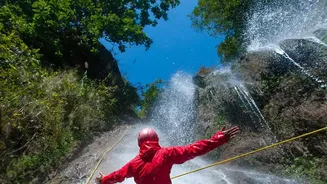
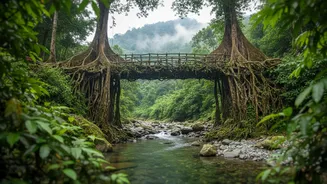
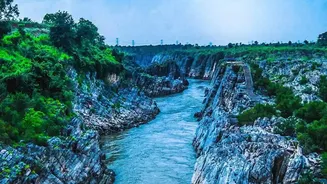
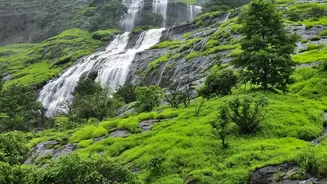
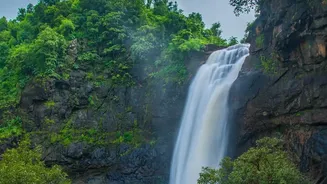
familiar landscapes into dynamic, challenging obstacle courses. Adventurers are drawn to spots near Cherrapunji (Sohra) and Mawlyngbna, where they can slide down natural water slides, leap from cliffs into deep pools, and navigate through corridors of moss-covered rock. This isn't just about sport; it's an immersive experience in one of the wettest places on Earth, where the sheer force of nature is both the playground and the main attraction. The roar of the water, the lush greenery, and the physical test of navigating the terrain create a profound sense of adventure.
Understanding the Amplified Risks
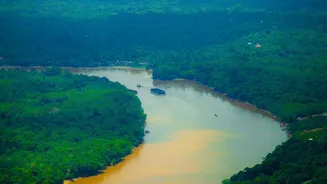
The very thing that makes monsoon canyoning so thrilling—the immense volume of water—also makes it incredibly dangerous. Meghalaya can receive over 300 mm of rain in a single day, causing river levels to rise dramatically and without warning. These flash floods are a primary concern, capable of turning a manageable stream into a raging torrent. The powerful currents can create strong undertows and conceal underwater obstacles like shifting boulders. Add to this the challenges of slippery rocks, the risk of hypothermia from prolonged exposure to cold water, and the sheer physical exhaustion of the sport. Unlike the calmer winter months (November to February) which are traditionally recommended for canyoning, the monsoon season demands an expert level of awareness and respect for the river's unpredictable power.
Essential River Navigation Protocols
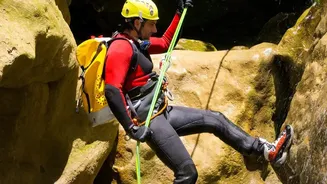
Given the risks, strict river navigation protocols are not just recommended—they are a matter of survival. The most critical rule is to never go alone or without a certified, local guide. Professional guides from the region possess an intimate knowledge of the terrain and can interpret subtle changes in weather and water levels that outsiders would miss. Standard safety procedures include meticulously checking weather forecasts before and during any expedition. High-quality safety equipment is non-negotiable and includes a helmet, a harness, ropes, and a personal flotation device (PFD). Operators must follow established safety standards, often aligned with national bodies like the Adventure Tour Operators Association of India (ATOAI), to ensure a baseline of safety and professionalism. Journeys must start early to maximize daylight, and groups must maintain clear communication at all times.
Choosing Your Guide Wisely
Your guide is your lifeline in a monsoon canyon. Entrusting your safety to an experienced professional is the single most important decision you will make. When choosing an adventure tour operator, look for proper certification and a proven track record. Ask about their safety protocols, the guide-to-client ratio, and their emergency response plan. Reputable companies will be transparent about the risks and will assess your fitness and skill level before confirming a trip. Local guides offer an invaluable advantage; they have grown up with these rivers and understand their behaviour in a way that cannot be taught from a manual. The Meghalaya government has also initiated schemes to promote safe and sustainable adventure tourism, encouraging operators to adhere to national and international safety standards.
Respect for the Environment and Local Culture
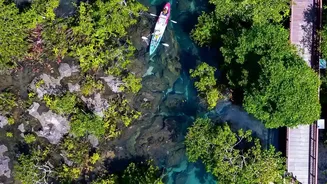
Beyond the adrenaline, responsible canyoning is about respecting the pristine environment you are privileged to explore. This means adhering to Leave No Trace principles, packing out everything you bring in, and avoiding disruption to the local flora and fauna. Many of these adventure routes pass through or near local communities. Engaging with these communities respectfully, often by hiring local guides and staying in local accommodations, contributes to a sustainable tourism model that benefits the people who are the guardians of these incredible landscapes. The goal is to experience the thrill while ensuring these natural wonders remain preserved for future generations.