




What Are Layered Bangs?
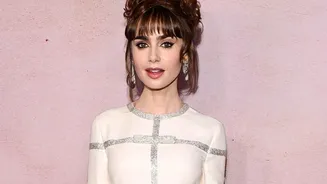
Layered bangs aren’t a single, rigid style but rather a technique. The term refers to a fringe cut with multiple, subtle layers of varying lengths. Unlike a blunt, single-length bang that sits heavily across the forehead, layered bangs are textured to create
movement, softness, and dimension. This feathered effect allows them to blend more seamlessly into the rest of your hair, making them incredibly versatile. Popular variations include wispy bangs, which are light and see-through; curtain bangs, which are parted in the middle and sweep to the sides; and bottleneck bangs, which are shorter in the middle and get longer towards the temples. The primary appeal lies in their ability to frame the face beautifully while offering a less dramatic commitment than traditional bangs.
The Right Bangs for Your Face Shape
While layered bangs are famously versatile, certain styles are particularly flattering for specific face shapes. For round faces, longer curtain bangs or a side-swept fringe can add definition and create the illusion of length. Square faces, which have a stronger jawline, are softened by wispy, A-line, or feathered bangs that add gentle curves around the face. Heart-shaped faces benefit from crescent-shaped or side-swept bangs, which help balance a wider forehead. Those with long or oblong faces can opt for a fuller, more classic brow-skimming fringe to create visual width. Oval faces are the most versatile and can pull off nearly any style, from bold micro bangs to soft, airy layers.
How to Talk to Your Stylist
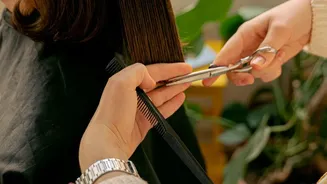
Getting the bangs you envision starts with a clear conversation. Bringing two or three inspiration photos is the best way to show your stylist the exact texture and shape you want. Be prepared to discuss not just the look, but also your lifestyle and styling habits. Explain how much time you're willing to spend on your hair each morning. It's also crucial to discuss your hair's natural texture and any quirks, like cowlicks, which might affect how the bangs sit. Use descriptive words like 'soft', 'wispy', 'textured', or 'face-framing' to articulate your goal. A good stylist will assess your face shape, hair density, and hairline to customize the cut, ensuring the final result is flattering and manageable for you.
Your Daily Styling Guide
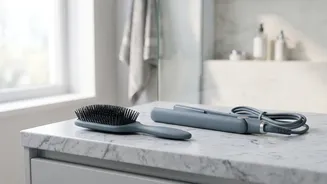
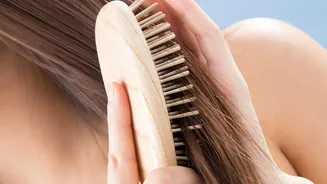
Styling layered bangs is key to making them look their best. The most common method involves a blow dryer and a round brush. Start with damp bangs. Using a round brush, lift the roots and direct the blow dryer's airflow downwards to create volume without frizz. For a classic curtain bang, roll the brush away from your face on each side to create that signature 'swoop'. You can also use a flat iron for a smoother look by creating a soft bend in the hair. If you have five extra minutes, setting your warm bangs in a velcro roller while they cool is a professional trick for long-lasting volume and shape. A texturizing spray or lightweight mousse can help enhance the layers and provide a soft, piecey finish.
Maintenance and Upkeep
Bangs require more frequent maintenance than the rest of your hair. To keep them at the perfect length and shape, plan for a trim every four to six weeks. Luckily, the layered nature of these styles means they tend to grow out more gracefully than blunt bangs, often blending into face-framing layers. Between salon visits, you might be tempted to trim them yourself. If you do, always cut on dry hair so you can see the true length, as hair shrinks when it dries. Use sharp hair scissors and employ a 'point cutting' technique—cutting vertically into the ends—to maintain a soft, feathered edge rather than a blunt line. Start by trimming less than you think you need; you can always take more off later.