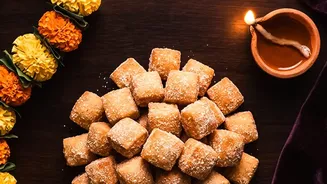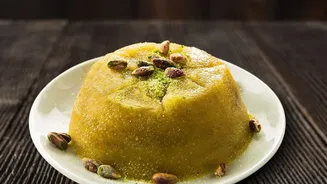






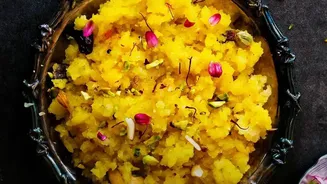
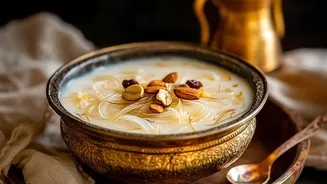
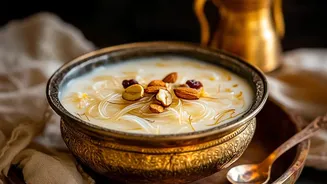
The festive cheer of Diwali often leaves behind a familiar aftermath: a lingering cough and a scratchy throat. In many Indian homes, the go-to remedy isn't from a bottle, but a bowl of warm, fragrant besan sheera. But what is it about this traditional
dish that makes it so comforting, and where do we draw the line between a soothing food and actual medicine?
A Golden Bowl of Comfort
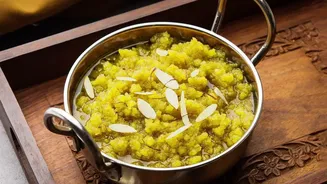
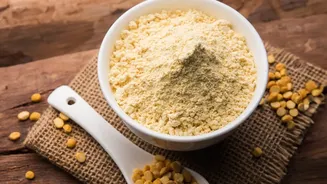
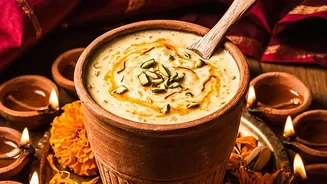
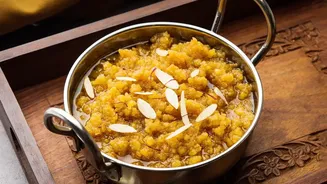
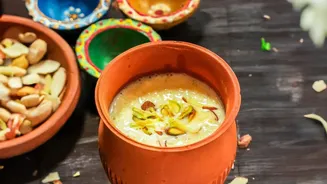
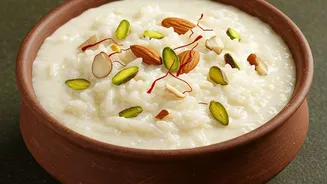
Besan ka sheera is a sweet, semi-thick pudding made from a few humble ingredients: besan (gram flour), ghee, milk or water, a sweetener like jaggery or sugar, and a blend of aromatic spices. Typically, this includes turmeric, cardamom, and sometimes black pepper or ginger. The process involves roasting the besan in ghee until it releases a nutty aroma, then simmering it with liquid and spices until it thickens into a warm, flowing consistency. It is this warmth, combined with its soft texture and sweet taste, that has cemented its place as a beloved comfort food, especially during the colder months or bouts of illness.
The Post-Diwali Connection
The tradition of turning to besan sheera after Diwali is rooted in practical observation. The festive period often coincides with a change in seasons, bringing cooler, drier air. More significantly, the aftermath of celebrations can see a sharp spike in air pollution from firecrackers and other sources, which irritates the respiratory system. This can lead to symptoms like a persistent dry cough, throat irritation, and nasal congestion. In this context, besan sheera emerges as a traditional Ayurvedic-inspired remedy to soothe these exact discomforts. It's often consumed hot, right before bedtime, to help ease a scratchy throat and promote a restful night's sleep.
Deconstructing the Healing Ingredients
The therapeutic reputation of besan sheera isn't just folklore; it's linked to the properties of its core components. Ghee is believed to lubricate and soothe irritated throat membranes. Gram flour, or besan, is a powerhouse of protein and antioxidants, thought to help clear the nasal tract. The real stars, however, are the spices. Turmeric contains curcumin, a compound well-known for its anti-inflammatory properties. Ginger and black pepper are also celebrated for their antibacterial and decongestant effects, which can provide relief from a sore throat. Together, these ingredients create a concoction that is both nourishing and symptom-soothing.
Soothing Food vs. Medical Cure
Here lies the crucial distinction. The comfort from besan sheera is real. Warm liquids in general are proven to provide immediate, temporary relief from symptoms like a runny nose and cough. The steam can help loosen mucus, while the warmth soothes the throat. Ingredients like honey (a common addition or alternative sweetener) have been shown in studies to reduce cough frequency. The properties of turmeric and ginger can help support the body's immune response. However, this is where its role ends. Soothing symptoms is not the same as curing an underlying infection. Besan sheera can make you feel better while you recover from a common cold, but it cannot fight a bacterial infection like pneumonia or bronchitis, which require specific medical treatment.
Knowing When to See a Doctor
Enjoying besan sheera as a comforting ritual is a wonderful and valid part of selfcare . It provides hydration , gentle nutrition , and psychological comfort , all of which aid recovery from minor ailments . But it is not a substitute for professional medical advice . A cough that is severe , persistent (lasting more than a few weeks) , accompanied by a high fever , or causes difficulty breathing should always be evaluated by a doctor . While home remedies can manage discomfort from a simple viral cold , they cannot diagnose or treat more serious conditions . A persistent cough after an illness could be due to post - viral airway hypersensitivity , which may require medical intervention .