


A Nation Hungry for Healthier Choices
The festive season in India is synonymous with indulgence, often involving rich, fried, and sugary foods. However, a growing wave of health consciousness is changing this narrative. Consumers are now actively seeking 'permissible indulgence'—ways to celebrate
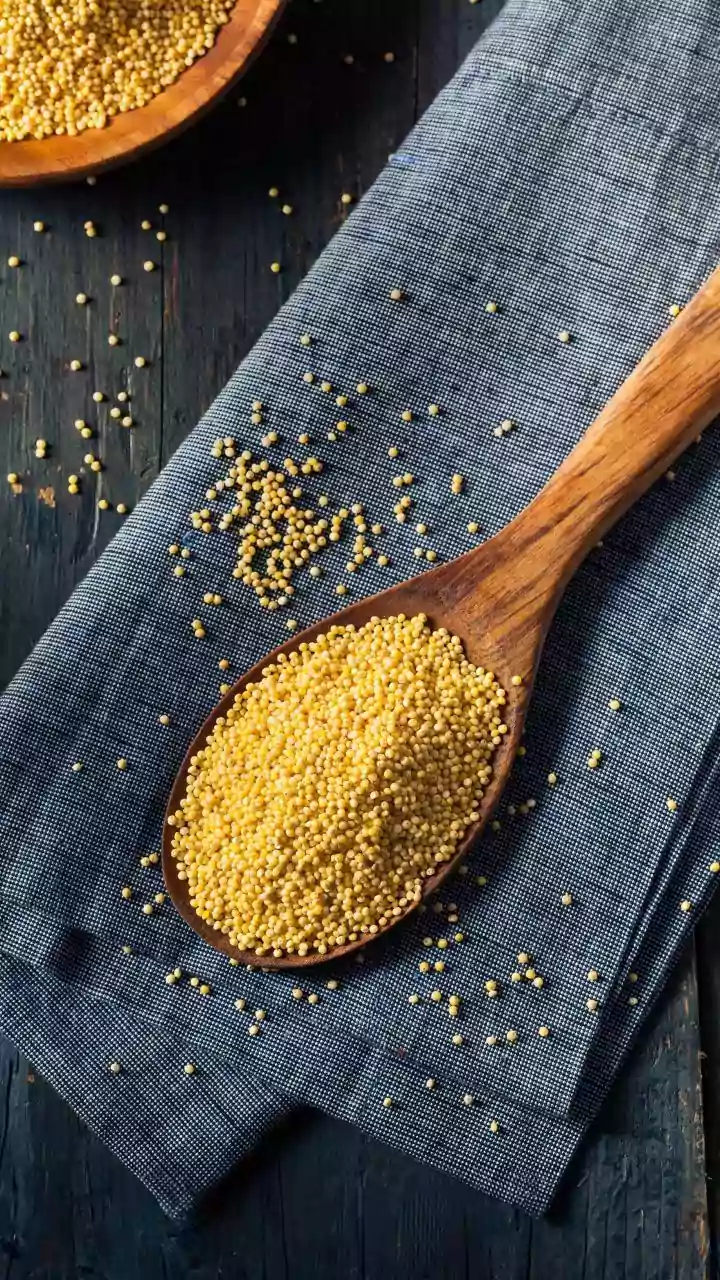
without compromising their well-being. This shift has created a booming market for healthy snacks, which is growing faster in India than the global average. Millets, with their impressive nutritional profile—high in fibre, protein, naturally gluten-free, and rich in minerals—are perfectly positioned to meet this demand. Once considered a 'poor man's grain', millets are being rebranded as a superfood, appealing to urban consumers who are more label-conscious than ever before.
The Government’s Millet Mission
The resurgence of millets is not purely consumer-driven. It has received a significant boost from government initiatives. The United Nations, at the behest of India, declared 2023 as the 'International Year of Millets' (IYoM). This campaign created a massive wave of awareness, repositioning millets from a forgotten grain to a celebrated part of India's agricultural heritage. The initiative aimed to highlight their nutritional benefits, potential to increase farmers' income, and their climate-resilient nature, as they require less water than rice or wheat. This top-down promotion has successfully sparked curiosity and demand, creating a fertile ground for brands to innovate and market millet-based products to a newly educated consumer base.
From Ancient Grain to Modern Treat
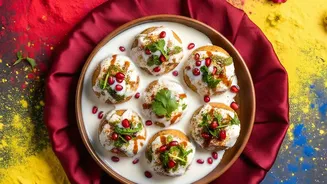
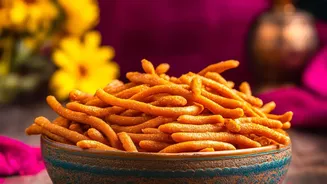
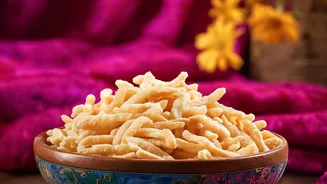
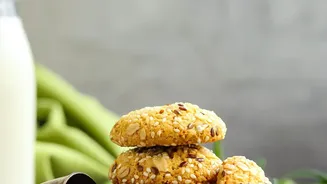
The real genius of this trend lies in product innovation. Brands are not just selling raw millet flour; they are transforming traditional grains like jowar, bajra, and ragi into exciting, modern snack formats. This festive season, shelves and e-commerce platforms are filled with millet-based versions of beloved Indian snacks like chivda, sev, and chakli. But the innovation doesn't stop there. Companies are launching everything from ragi cookies and jowar puffs to millet-based Mysore pak and kambu coffee-flavoured sweets. By infusing familiar, festive snacks with the goodness of millets, brands are bridging the gap between 'healthy' and 'tasty', ensuring that consumers don't feel like they are missing out on festive flavours.
The Business Case for Betting on Millets
For culinary brands, the move towards millets is a calculated business strategy. The Indian healthy snacks market is projected to be worth billions, with the millet snack sub-segment growing at a remarkable rate. By catering to the health-conscious niche, companies can often command premium prices. Major players like PepsiCo, Marico, and Tata have already entered the space, signalling the market's potential. The festive period serves as the perfect launchpad. Gifting is a huge part of the festive economy, and curated hampers featuring artisanal and healthy options are increasingly popular. A new range of millet snacks, like baked Masala Peri Peri or Jaggery Cinnamon millet bites, makes for a novel and thoughtful gift, moving beyond the traditional, and often re-gifted, box of sweets.
A Trend with Staying Power
While the festive season provides a significant sales spike, the millet trend is expected to have longevity. The underlying drivers—health consciousness, the demand for convenient on-the-go options, and the rise of quick commerce—are year-round phenomena. Gen Z and millennial consumers, in particular, are driving this shift, as they seek products that align with their lifestyle and values, including clean ingredients and transparency. Brands are using the high-visibility festive period to introduce consumers to these new products, hoping to convert them into regular buyers. What starts as a healthier Diwali snack could well become a staple in the everyday tiffin box and evening tea routine, solidifying millets' place in the modern Indian kitchen.