





Mythology as a Modern Muse
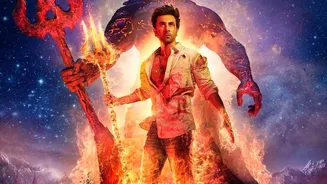
For decades, Indian storytelling has drawn from a deep well of mythology and folklore. Today, filmmakers are reimagining these ancient tales for a new generation. Films like Brahmāstra: Part One – Shiva have built entire cinematic universes, or 'Astraverses',
around celestial weapons and divine powers rooted in Hindu scripture. Similarly, the blockbuster success of the Baahubali series demonstrated a massive appetite for grand-scale epics set in fictional ancient kingdoms that feel both mythic and new. These films aren't just retelling old stories; they are using mythology as a launchpad for fresh narratives, blending devotion with high-octane fantasy.
Crafting Unforgettable Worlds
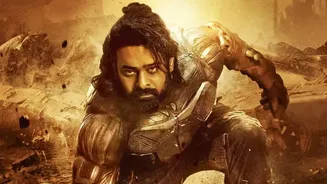
World-building is the art of creating a believable, immersive universe, and Indian filmmakers are proving themselves to be masters of the craft. Take the dystopian future of Kalki 2898 AD, which paints a vivid picture of a world with distinct, contrasting cities: the last surviving city of Kashi, the elite bastion of the Complex, and the hidden rebel haven of Shambala. This meticulous world-building extends to the film's unique aesthetic, which blends futuristic sci-fi with ancient Hindu elements. On the other end of the spectrum is Tumbbad, a folk-horror masterpiece that creates a chilling, atmospheric world ruled by greed and a cursed ancestral god. Its rain-soaked, gloomy village is a character in itself, proving that world-building isn't just about scale, but also about creating a palpable mood and a sense of place.
A Leap in Visual Innovation
The visual ambition of Indian fantasy and sci-fi has grown exponentially. The time when Indian VFX was seen as a poor substitute for Hollywood is long gone. Baahubali: The Beginning was a turning point in 2015, proving that Indian studios could produce world-class visual effects that amazed global audiences. An estimated 90% of the film's VFX were done in India, a testament to the country's growing talent pool. This trend has only continued, with films like Brahmāstra and Kalki 2898 AD dedicating massive budgets to creating breathtaking visuals. These effects are not just for show; they are integral to the storytelling, helping to bring the fantastical worlds and epic battles to life in a way that was previously unimaginable.
Beyond Spectacle: The Rise of Complex Narratives
While the spectacle is bigger than ever, the storytelling is also getting smarter and more nuanced. The new wave of Indian fantasy is moving away from simple good-versus-evil dichotomies to explore more complex themes. Tumbbad, for example, is a powerful cautionary tale about avarice, where the protagonist's greed makes him as monstrous as the entity he seeks to control. Even mainstream blockbusters are incorporating more intricate plots and moral ambiguity. This shift reflects a maturing audience that demands more than just escapism; they want stories that are engaging, thought-provoking, and emotionally resonant. This newfound confidence allows filmmakers to experiment with genre-blending, leading to unique hybrids like horror-fantasy and mythological sci-fi.